





Baroque Carved Putti
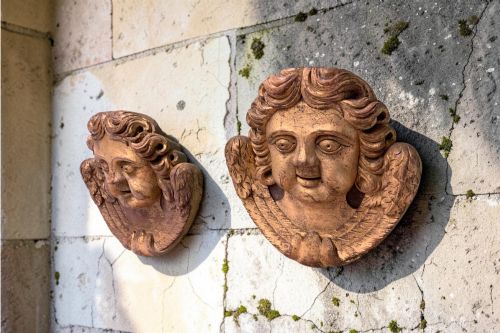
Baroque carved putti bring dramatic presence to a room through expressive wooden figures crafted across several centuries.
Baroque Carved Putti
When you search for baroque carved putti, you encounter sculptural depictions of winged cherubic infants originating from continental workshops. The listings span the seventeenth through the nineteenth centuries, with Italian and French regional examples appearing frequently.
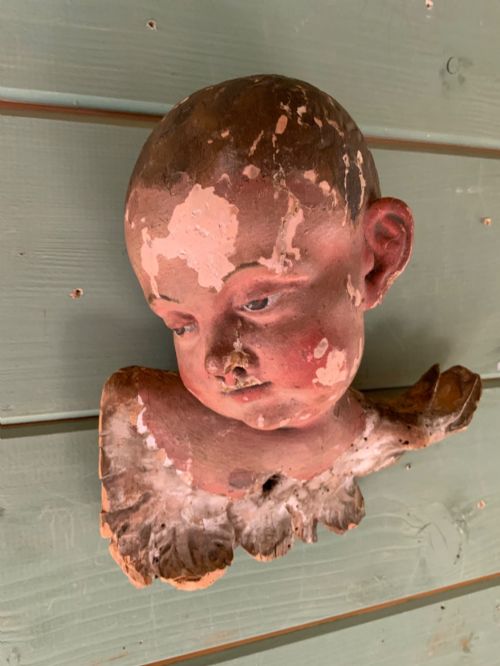
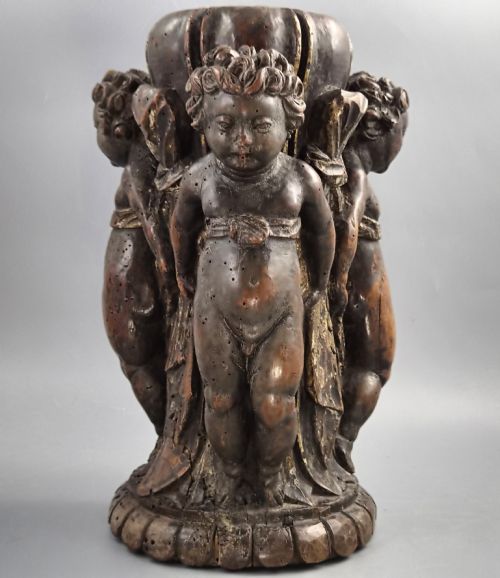
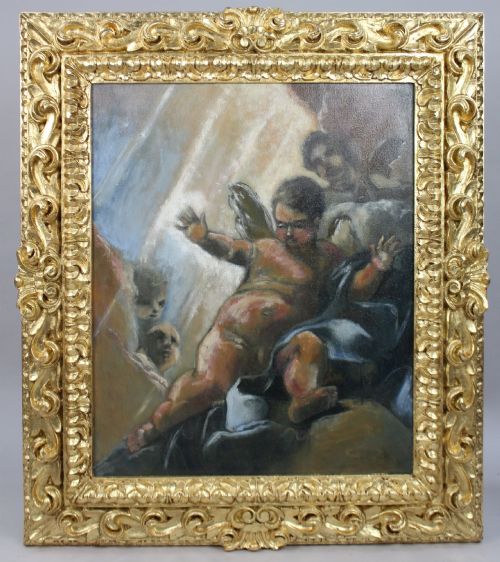
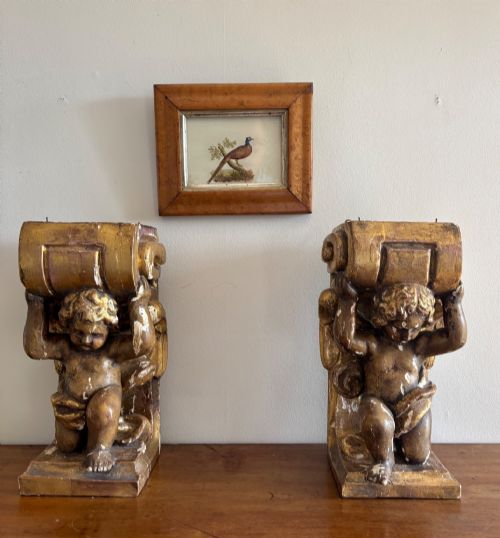
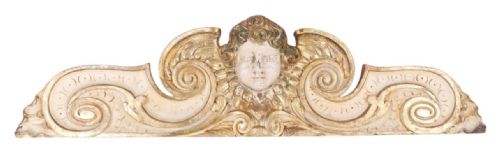
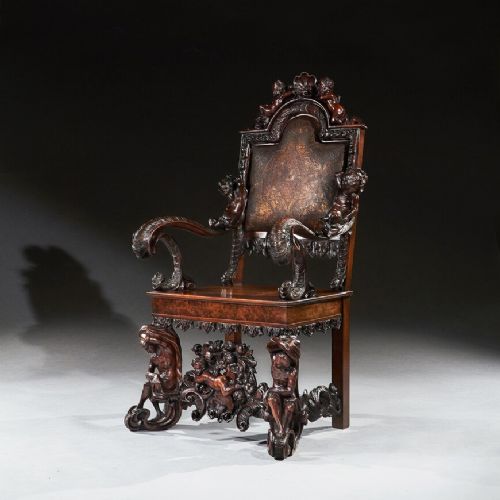
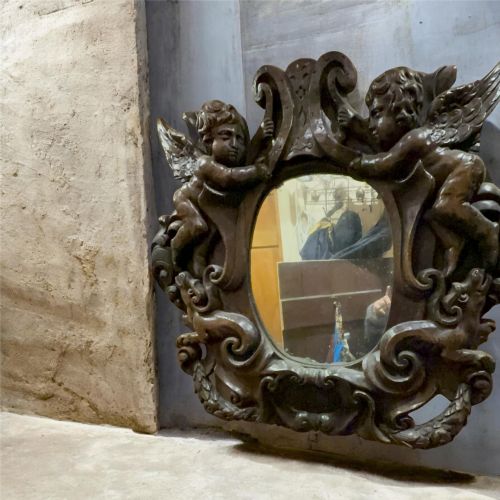
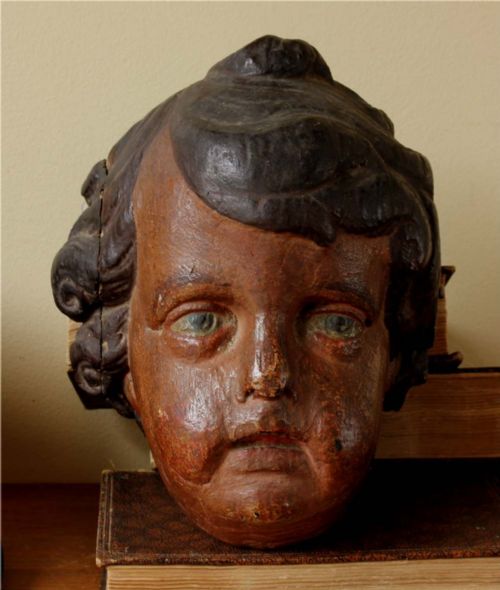
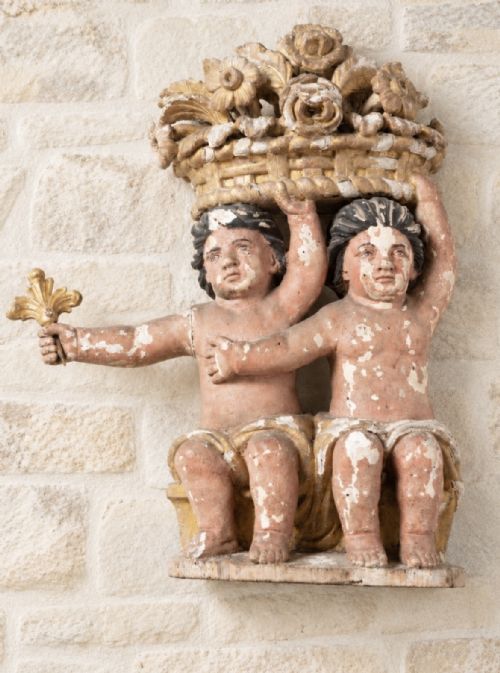
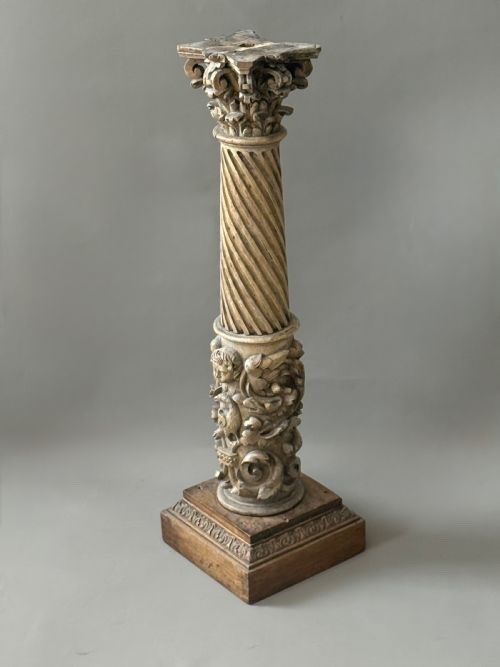
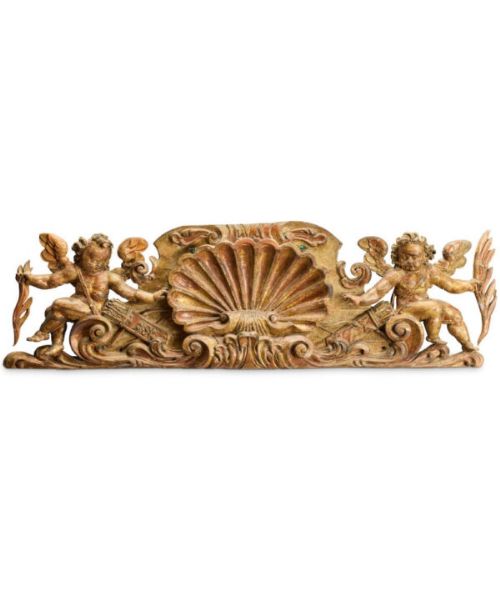
Forms range from isolated wooden heads and wall brackets to figures incorporated into mirrors, pedestals, and architectural elements. Walnut, oak, and limewood provide the primary medium for these figures, often enriched with gesso, polychrome, or gold leaf.
Buyers meet both authentic period carvings and later revival interpretations following seventeenth-century styles. These objects function as standalone sculptures or decorative components within larger architectural settings.
How they were made
Artisans carved these figures directly from solid timbers like walnut, oak, and limewood, utilising gouges and chisels to achieve deep relief and fluid movement. Grain direction governed the depth of undercut details, particularly around hair, wings, and drapery.
Surfaces frequently received a layer of gesso before the application of gold leaf or polychrome pigment. Gilding and silvering techniques added reflective qualities that played against the dark timber beneath.
Baroque Carved Putti Retail Price Guide 2026
Typical asking prices for baroque carved putti among the pieces listed under this phrase on Sellingantiques today, from the lower quarter to the upper quarter. They describe what is for sale here now, not the wider market.
The listings feature carved wood items spanning from the seventeenth century through the twentieth century, incorporating walnut, oak, and limewood.
What varies in quality
The anatomical proportion and psychological intensity of the carving dictate the level of achievement in these pieces. Master carvers captured lifelike musculature and subtle facial expressions, whereas lesser workshop examples remain stiff or formulaic.
The preservation of original surface treatments, whether aged polychrome or intact gold leaf, distinguishes pieces that retain their integrity from those stripped or heavily restored.
Andrea Brustolon·Grinling Gibbons
The Baroque Carved Putti Glossary
- Putto
- A plump, often winged infant depicted in classical and baroque art. These figures appear singly or in groups across panels, mirrors, and architectural fragments.
- Giltwood
- Timber coated with gold leaf laid over a preparation of gesso and bole. This finish provides the characteristic metallic sheen seen on many baroque mirror frames and wall brackets.
- Polychrome
- Painted in several colours. This surface treatment brings lifelike tones to carved wooden cherub heads and figures.
- Torchiere
- A tall stand or pedestal designed to support a light source. Examples frequently incorporate carved figures or elaborate scrolling supports.
- Acanthus
- A stylized foliate ornament derived from Mediterranean plant forms. Carved acanthus leaves often frame baroque panels and architectural pediments.
Baroque Carved Putti: Frequently Asked Questions
How do I identify a true period carving?
Examine the tool marks left on the reverse and concealed areas of the timber. Hand-cut chisel facets and natural oxidation patterns provide reliable indicators of age.
Compare the anatomical proportions and depth of undercut work with documented examples from the same regional tradition.
Where should I place these carvings?
Wall brackets and mirrors mount securely to solid masonry or stud walls using appropriate fixings. Free-standing torchieres and stands require stable floor surfaces away from direct heat sources.
Positioning them at eye level allows the detail of the carving to remain visible within the room.
How do I clean gilded surfaces?
Dust surfaces gently with a soft, dry brush to prevent abrasion to the delicate gold leaf layer. Avoid liquid cleaners and chemical solvents entirely.
Professional conservation advice is necessary if the gesso or gilding shows signs of flaking or detachment.
What wood types are most common?
Walnut and oak appear frequently among continental and English workshop pieces. Limewood also occurs, favored by carvers for its fine, even grain.
Softer woods often received gesso and paint or gilt finishes to unify the appearance of the finished object.