


Baroque Carved Cherub
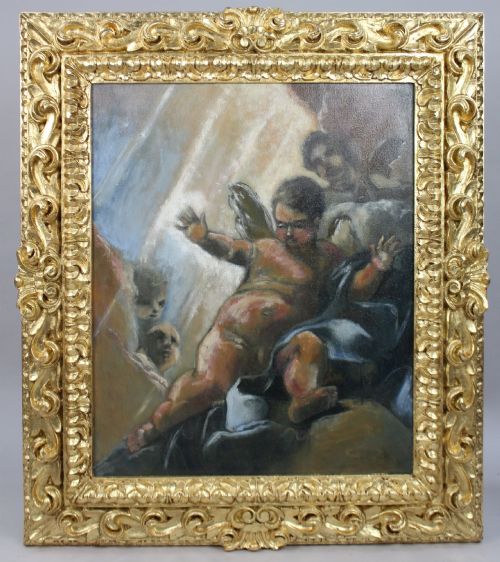
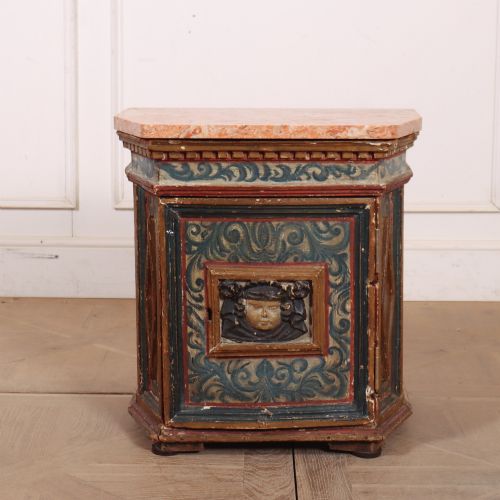
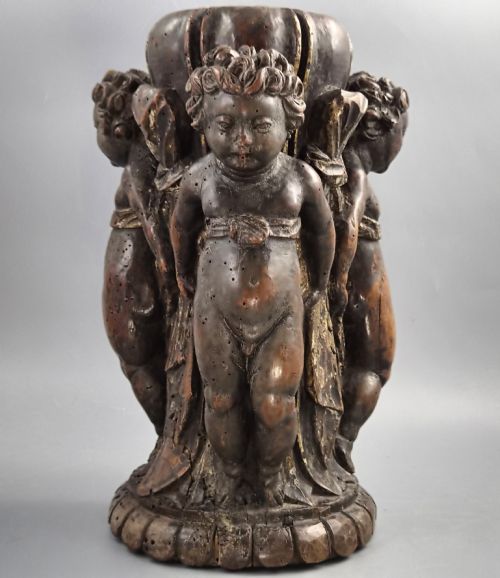
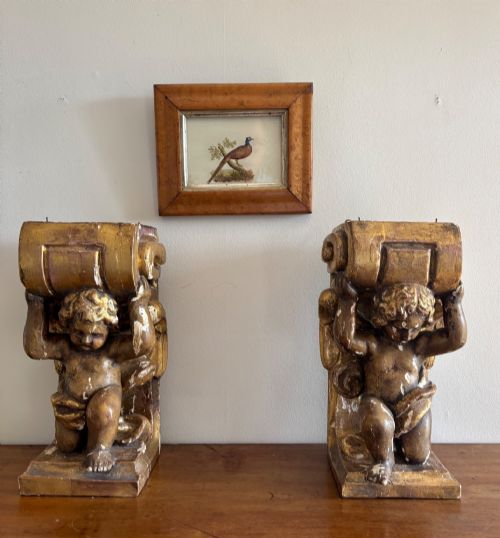
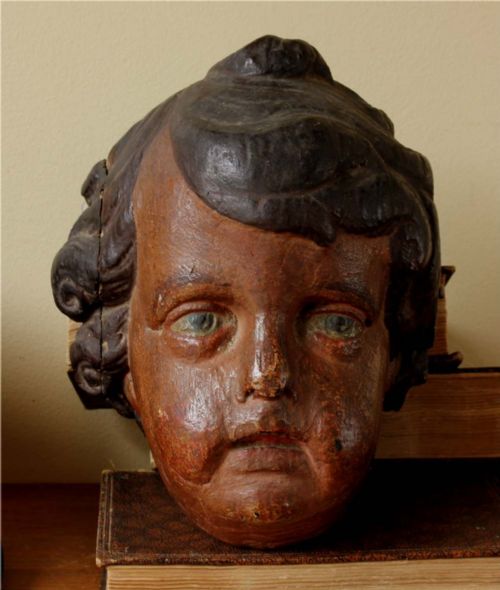
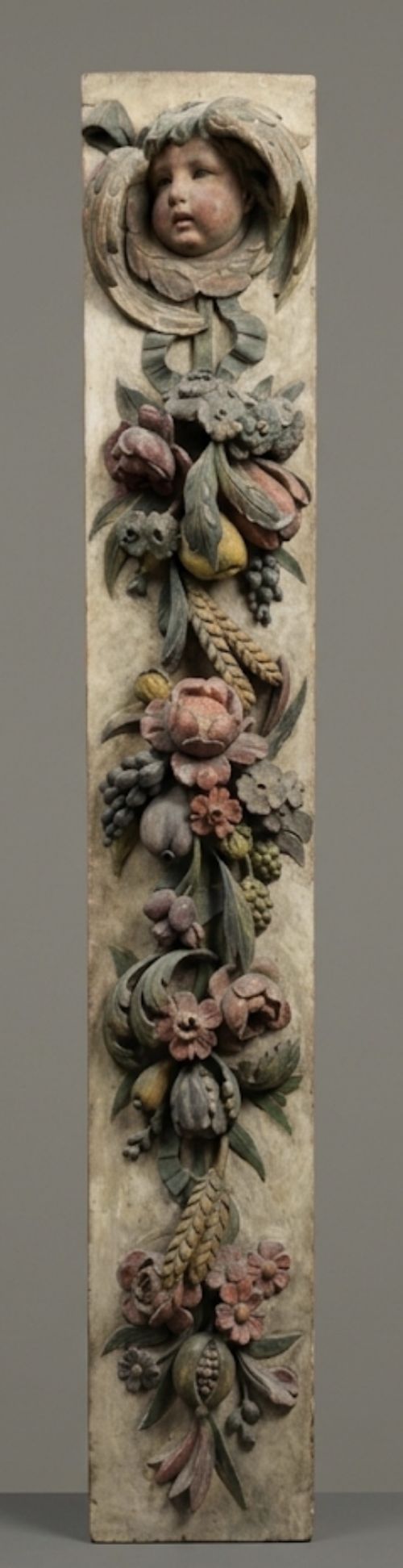
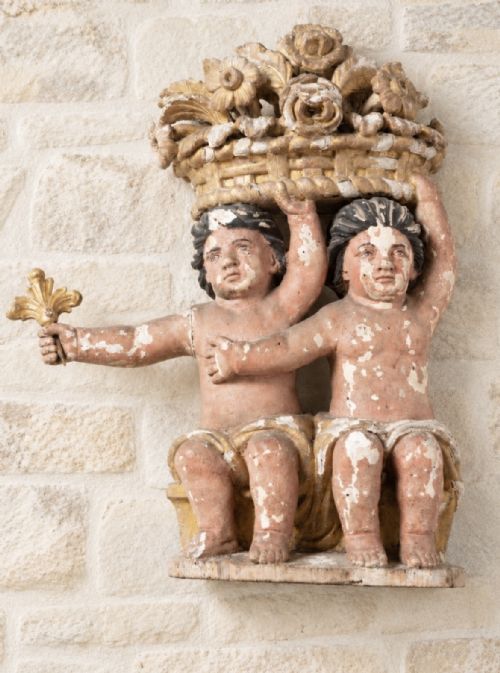
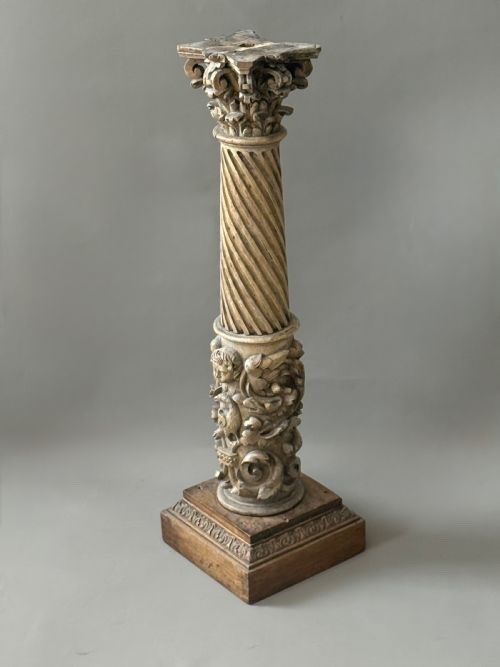
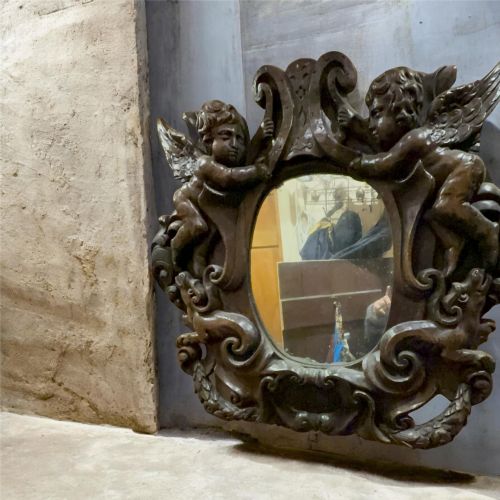
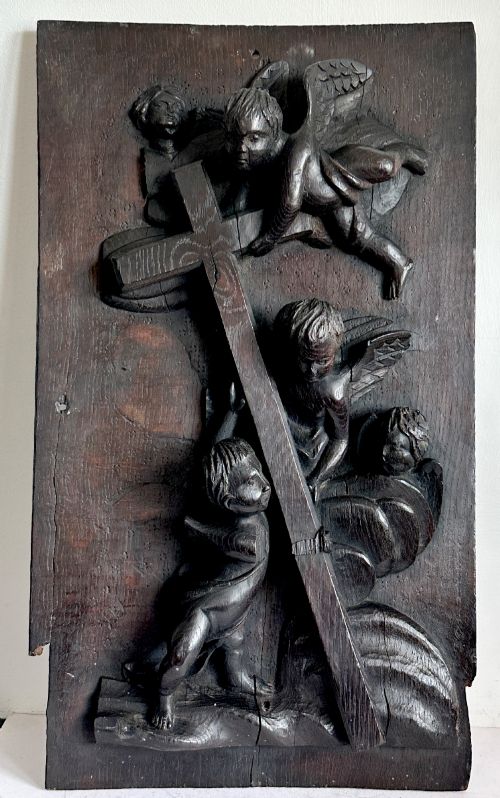
These pieces of baroque carved cherub bring theatrical continental drama into a room through elaborate woodwork.
Baroque Carved Cherub
Buyers exploring this selection encounter works spanning from authentic seventeenth-century panels to later revival pieces from the nineteenth and twentieth centuries. The assortment includes wall lights, console tables, and structural elements originating primarily from Italian and French workshops.
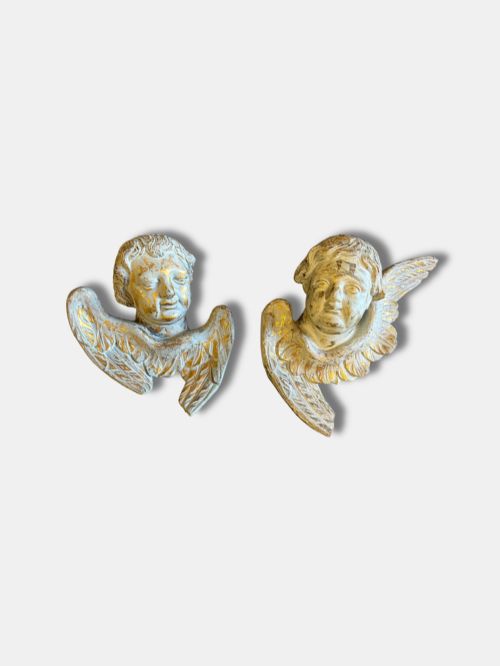
The physical form varies from solitary carved wooden heads and polychrome fragments to complete pairs of kneeling angels and monumental pillar bases. Each object demonstrates the distinctive theatricality associated with baroque and renaissance revival aesthetics.
Indicators of Quality and Execution
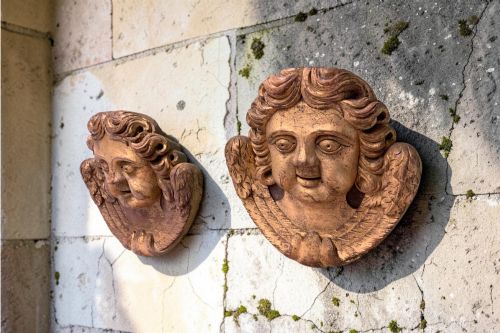
The depth of carving and the liveliness of the anatomical modeling separate standard production from superior artistry. Skilled carvers achieved naturalistic movement in the hair and flesh, whereas lesser examples remain stiff and generalized.
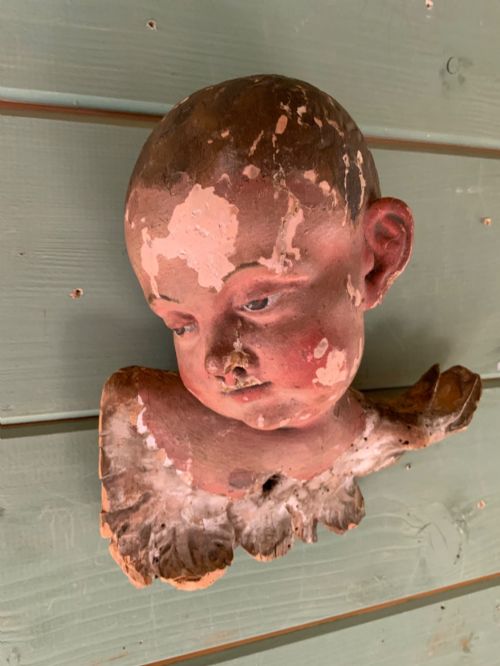
The preservation of original surface finishes, such as early gilding or polychrome pigment, heavily influences the integrity of an antique carving. Subsequent overpainting or heavy restoration alters the original visual texture intended by the maker.
Baroque Carved Cherub Retail Price Guide 2026
Typical asking prices for baroque carved cherub among the pieces listed under this phrase on Sellingantiques today, from the lower quarter to the upper quarter. They describe what is for sale here now, not the wider market.
Some cherubs retain the startled expressions of woodland spirits caught mid-flight.
Edward Pearce·Grinling Gibbons
The Baroque Carved Cherub Glossary
- Baroque
- A style of European architecture and art spanning the seventeenth and mid-eighteenth centuries characterised by ornamentation, drama, and grand movement. It values theatricality and rich surface decoration above strict classical restraint.
- Putto
- A representation of a human infant, frequently winged, appearing in classical and renaissance art. In baroque sculpture, these figures provide emotional expressiveness and dynamic compositional energy.
- Giltwood
- Timber that has been coated with a thin layer of gold leaf or gold paint. This technique creates a luminous surface that reflects interior candle or daylight.
- Polychrome
- The practice of decorating architectural elements, panels, or sculptures in a variety of colours. It adds lifelike realism to wooden religious and decorative figures.
- Torchiere
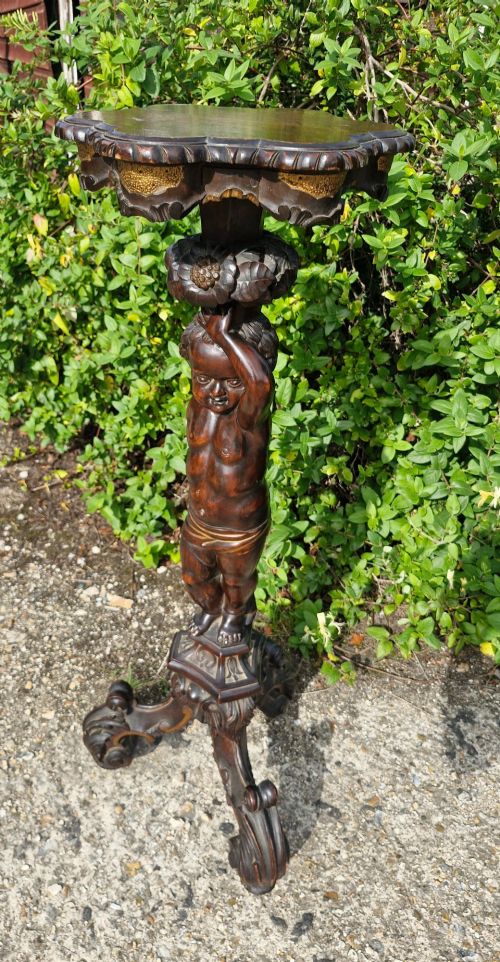
- A tall stand or ornamental candlestick base designed to support a light source. Baroque examples often incorporate figural carving such as putti or caryatids.
- Gesso
- A plaster mixture used as a smooth base for paint or gold leaf on wood surfaces. It allows fine details to be built up before final gilding.
Baroque Carved Cherub: Frequently Asked Questions
How do I identify a genuine period piece?
Examine the tool marks left on the reverse and recessed areas of the wood. Period timber shows the characteristic hand-chisel signatures absent in later machine work.
Check for natural shrinkage cracks and oxidation within the grain that confirm considerable age.
Where were these carvings originally displayed?
Many items originated as architectural salvage from churches, altars, overdoors, and grand residential staircases. They served to elevate the status of formal domestic and sacred interiors.
Wall brackets and wall lights functioned specifically to illuminate and decorate reception spaces.
How should I clean a gilded wooden cherub?
Dust the surface very gently with a soft, dry brush to prevent damage to fragile gold leaf or gesso layers. Avoid all moisture and liquid cleaning products, which strip historic finishes.
Professional conservators should handle any stubborn accumulation of grime.
Can I hang a heavy wooden architectural panel?
Solid oak and walnut panels possess substantial weight that requires secure structural wall fixings. Consult a professional installer to evaluate wall strength before mounting.
Ensure weight is distributed evenly across brackets or battens designed for heavy antique furniture and salvage.