





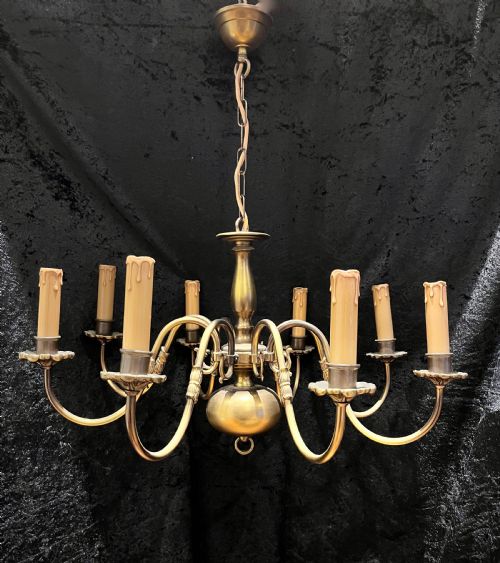

Baroque Brass Lamps
Baroque brass lamps bring heavy casting and ornate classical lines into a room, offering warm metal tones and rich historical character.
Baroque Brass Lamps
When you search for baroque brass lamps, you encounter a selection of lighting forms spanning multiple centuries of revival and original design. These pieces bring sculptural presence to a room through heavy metalwork and traditional silhouettes.
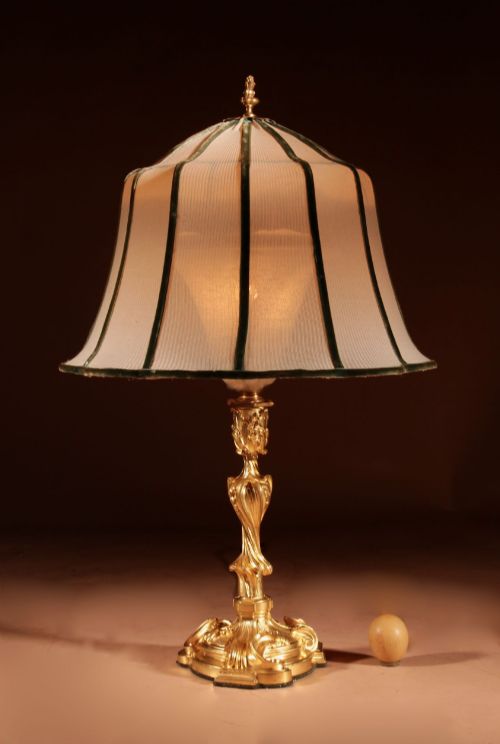
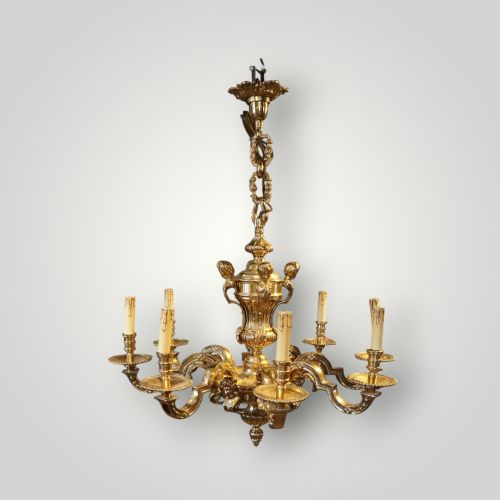
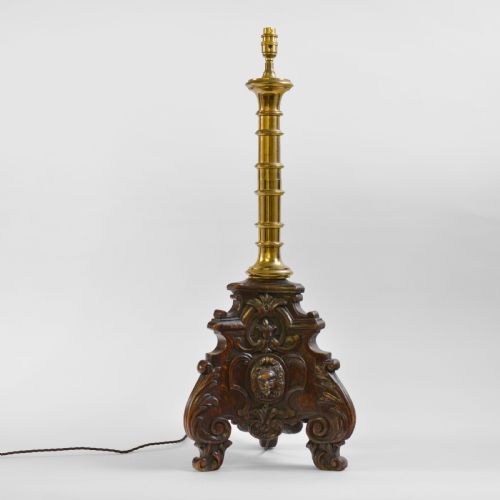
The objects on this page include chandeliers, table lamps, and standard lamps rendered in styles such as French Baroque Revival, Dutch Baroque, and Italianate Baroque. Materials range from solid brass and bronze to copper, ormolu, and carved oak.
You are most likely to meet revival pieces from the nineteenth and early twentieth centuries, including Edwardian and Victorian interpretations alongside earlier styles. These items adapt historical forms for domestic interior use.
How they were made
Makers utilised casting techniques to shape heavy bronze, brass, and ormolu into complex, scrolling forms and figural details. These cast components provide the structural backbone and decorative ornamentation for chandeliers and standard lamps alike.
Surface finishes include polished metal, gilt bronze, and patinated copper, which highlight the intricate relief work typical of baroque design. Secondary materials like carved oak appear in specific regional lamp bodies.
Baroque Brass Lamps Retail Price Guide 2026
Typical asking prices for baroque brass lamps among the pieces listed under this phrase on Sellingantiques today, from the lower quarter to the upper quarter. They describe what is for sale here now, not the wider market.
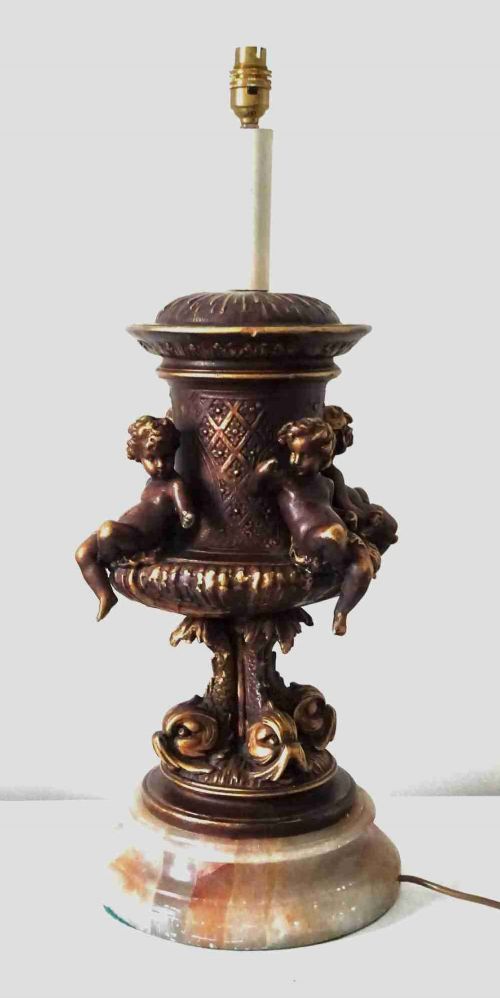
Among the heavier metalwork, marine life finds a permanent home in cast brass alongside classical cherubs.
What varies in quality
Quality in these lamps rests on the crispness of the casting and the depth of the metalwork relief. Finer examples display sharp detail in ornamentation such as cherubs, dolphins, and scrolling foliage, whereas simpler pieces show softer edges.
The choice of material and the integrity of the construction separate standard production from superior examples. Heavy gauge brass and cast bronze provide a substantial weight and structural solidity that lighter alloys lack.
The Baroque Brass Lamps Glossary
- Baroque
- A style of European architecture, music, art and ornamentation that flourished from the early seventeenth century until the mid-eighteenth century, characterised by drama and exuberant detail.
- Ormolu
- Gilded bronze, where a finely ground gold-mercury amalgam is applied to a bronze object. This technique creates a rich golden surface finish popular in decorative lighting.
- Chandelier
- A branched ornamental light fixture designed to be suspended from a ceiling. These pieces often hold multiple lights arranged in tiers or circles.
- Standard lamp
- A tall freestanding floor lamp designed to illuminate a room from a standing position. They frequently incorporate heavy weighted bases for stability.
Baroque Brass Lamps: Frequently Asked Questions
What periods do these lamps come from?
The pieces span various periods, including seventeenth-century originals, nineteenth-century works, and early twentieth-century revivals from the Edwardian and Victorian eras.
Makers across these different decades reinterpreted classical baroque aesthetics for contemporary domestic interiors.
Where should I place a standard lamp?
Standard lamps suit corners of reception rooms or beside seating areas where they provide ambient or task lighting.
Their heavy cast metal bases ensure stability while the vertical height projects light across the space.
How do I identify a revival piece?
Revival pieces often date from the nineteenth or early twentieth centuries while mimicking stylistic traits of seventeenth and eighteenth-century craftsmanship.
Examination of wiring methods, construction joints, and metal patina helps distinguish original period items from later interpretations.
What materials are used in these lamps?
Construction relies heavily on cast metals including brass, bronze, copper, and ormolu, sometimes combined with carved oak elements.
These durable materials allow for complex sculptural casting and sustained structural support.