




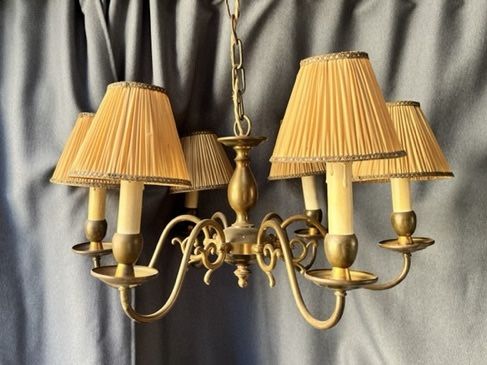

Baroque Brass Fitting
A baroque brass fitting brings weighty metalwork and historic candle-power into a room, offering genuine period character for a grand interior.
Baroque Brass Fitting
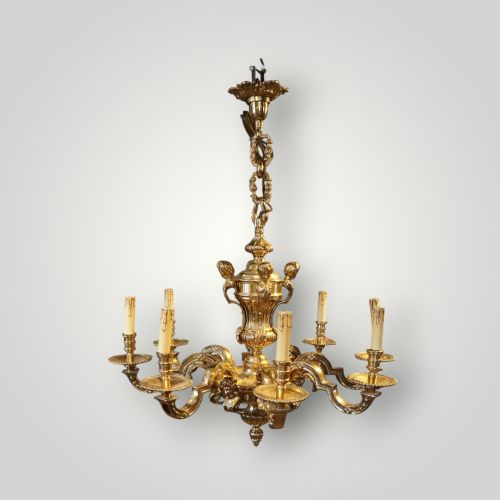
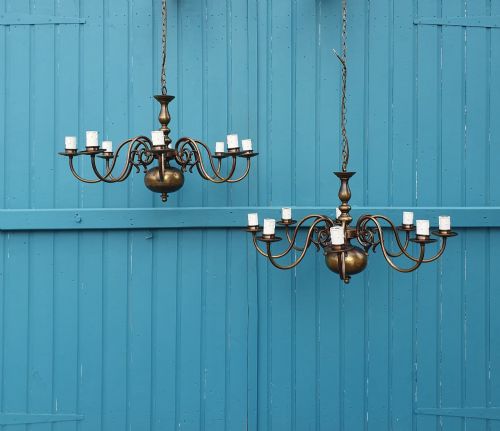
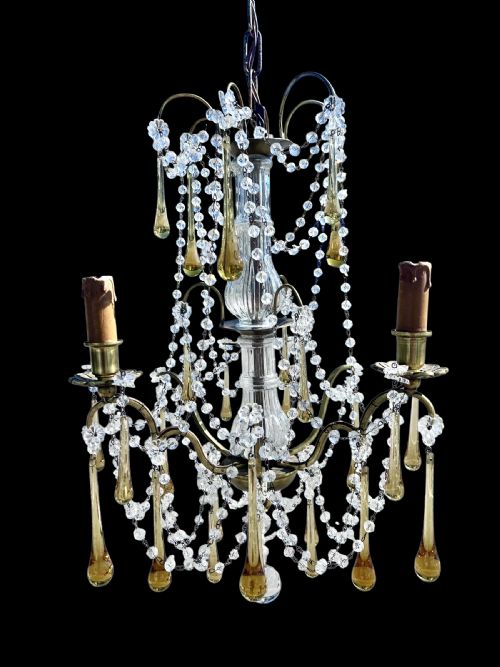
When you search for a baroque brass fitting, you encounter substantial metal lighting fixtures and cabinet hardware spanning several centuries of European craftsmanship. The listings on this page show a strong concentration of Dutch and Flemish chandeliers alongside Italian and French revival lighting.
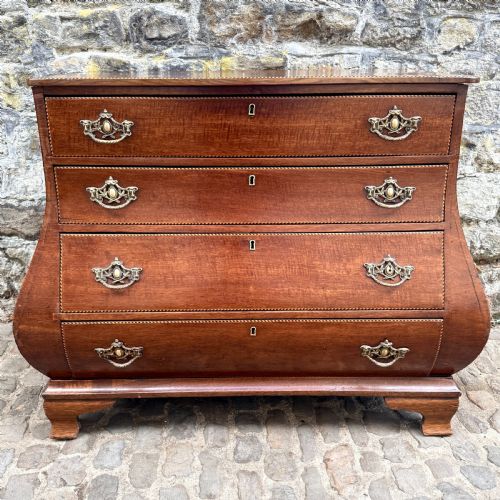
The forms vary from multi-branched chandeliers with numerous lights to table cabinets and chests of drawers incorporating metal mounts. Buyers most frequently meet multi-tiered brass and bronze chandeliers originating from Dutch and Italian workshops.
The periods represented stretch from the seventeenth century through to the Edwardian era and the early twentieth century. These items serve both practical illumination and decorative display within traditional interiors.
How they were made
Makers utilised cast brass, bronze, and copper, often combining these metals with carved woods such as ebony, kingwood, and mahogany on cabinetry. Structural parts were cast and hand-finished, whilst hanging chandeliers relied on robust metal stems and branches to support multiple candles or lights.
Surface treatments included gilding, silver plating, and ormolu to enhance the lustre of the metalwork. Selected pieces incorporate coloured crystals and glass pendants suspended from the metal arms to refract light.
Baroque Brass Fitting Retail Price Guide 2026
Typical asking prices for baroque brass fitting among the pieces listed under this phrase on Sellingantiques today, from the lower quarter to the upper quarter. They describe what is for sale here now, not the wider market.
Listings span periods from the seventeenth century through the eighteenth and nineteenth centuries to the Edwardian era and the nineteen-twenties.
What varies in quality
The distinction between standard examples and superior pieces rests upon the crispness of the metal casting and the complexity of the design. Heavier bronze and brasswork with deeply chased details demonstrates a higher standard of workmanship than simpler stamped or plain cast alternatives.
Proportion and balance dictate the architectural success of a fitting, particularly in large multi-tiered chandeliers where symmetry is paramount. The integration of secondary materials, such as rock crystal or exotic hardwoods, elevates the overall execution of the piece.
The Baroque Brass Fitting Glossary
- Baroque
- A European style of art and architecture characterised by ornate detail, exuberant movement, and grand scale. This aesthetic dominated the seventeenth and early eighteenth centuries before finding renewed popularity in later revival periods.
- Ormolu
- Gilded bronze, where a finely ground gold-mercury amalgam is applied to a bronze object. The technique creates a rich, durable golden surface finish typical of fine French and Italian decorative metalwork.
- Chandelier
- A branched decorative ceiling fixture designed to hold multiple lights or candles. Historic examples often feature tiered brass or bronze arms radiating from a central stem.
- Palladian
- An architectural and decorative style derived from the designs of Andrea Palladio, emphasising symmetry, classical proportions, and restrained ornamentation. Pieces of this style often exhibit formal geometric balance.
Baroque Brass Fitting: Frequently Asked Questions
How do I clean a brass chandelier?
Dust the metal gently with a soft, dry cloth to prevent the accumulation of grime on intricate castings.
Avoid harsh chemical polishes that can strip historic patination and damage delicate crystal or silver-plated surfaces.
Can these chandeliers be electrified?
Many historic chandeliers have been adapted for modern electricity during their long lifespan in various homes.
Professional rewiring ensures the internal components meet current safety standards without altering the external antique appearance.
How do I determine the period of a brass fitting?
Examine the casting quality, fastening methods, and the style of the ornamentation against known historical examples.
Materials like ebony and kingwood combined with brass often point towards specific seventeenth-century cabinet-making traditions.
Where should I hang a large chandelier?
These substantial metal fixtures require a structurally sound ceiling capable of supporting considerable weight.
They suit high-ceilinged reception rooms, hallways, or dining spaces where their scale can be properly appreciated.