






Barbizon School Oil
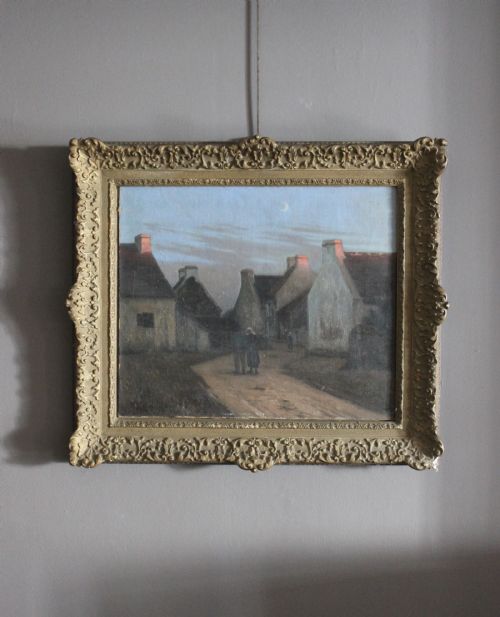
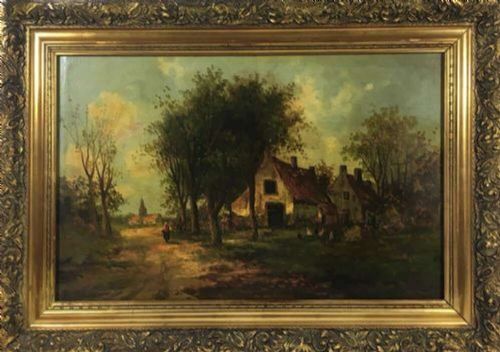
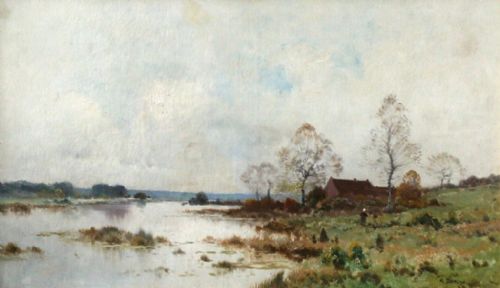
Barbizon School oil paintings capture the quiet rusticity of nineteenth-century French landscape and farmyard scenes.
Barbizon School Oil
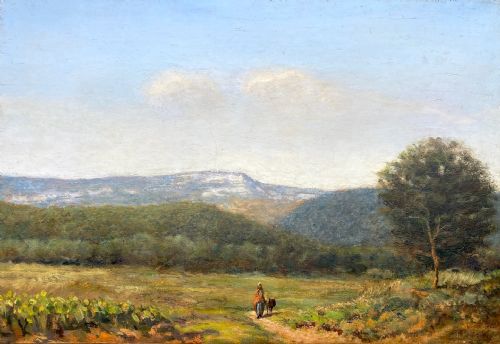
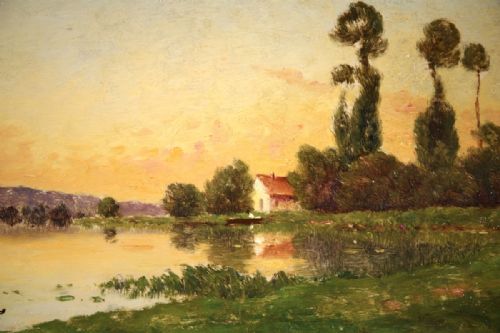
Barbizon School oil paintings represent a pivotal nineteenth-century shift toward realism and pastoral landscapes, focusing on rural French scenes like farmyards, rivers, and paths. When you search for barbizon school oil, you encounter works produced across the nineteenth century, including pieces dated from eighteen-sixty and eighteen-seventy, alongside Victorian interpretations.
The subjects on this page range from French landscape and cattle grazing to house views by a river and atmospheric forest settings. Many pieces connect directly to the French tradition, while others show British school influence or circle associations.
How they were made
These works consist primarily of oil on canvas, utilising oil paint applied to canvas supports to build up atmospheric rural views. Artists employed naturalistic palettes to depict pastoral settings such as Provence and the banks of rivers.
Many of these oil paintings retain period framing executed in giltwood, gilt wood, or gilded wood, often incorporating plaster enrichment to complement the canvas.
Barbizon School Oil Retail Price Guide 2026
Typical asking prices for barbizon school oil among the pieces listed under this phrase on Sellingantiques today, from the lower quarter to the upper quarter. They describe what is for sale here now, not the wider market.
Listings feature works spanning the nineteenth century, including specific dates such as eighteen-sixty and eighteen-seventy, alongside Victorian examples.
What varies in quality
Quality in these nineteenth-century paintings rests upon the direct attribution to recorded artists versus circle pieces or anonymous works. Signed canvases by established painters command greater attention than indistinctly signed or untitled landscapes.
The sophistication of the brushwork and the preservation of the original oil on canvas and giltwood framing determine the distinction between standard pastoral studies and major fine art examples.
Paul Désiré Trouillebert·Henri Jaques Delpy·Alphonse Robert·Pierre Emmanuel Eugene Damoye·Henri Joseph Harpignies
The Barbizon School Oil Glossary
- Barbizon School
- A nineteenth-century French art movement focused on realism and painting en plein air in the Forest of Fontainebleau. This group emphasised direct observation of nature over academic studio conventions.
- Oil on Canvas
- A traditional painting medium where pigment mixed with drying oil is applied to a stretched woven fabric support. This combination allows for rich texture and lasting depth of colour.
- Giltwood
- Timber carved and coated with gold leaf or metal leaf, commonly used for nineteenth-century picture frames. It provides a reflective border that enhances the tones of the oil painting within.
- Pastoral
- A style of art depicting rural life, shepherds, and agricultural landscapes in an idealized or tranquil manner. These scenes form the core subject matter of nineteenth-century French landscape painting.
Barbizon School Oil: Frequently Asked Questions
What is a Barbizon school oil painting?
These works are nineteenth-century French landscapes and pastoral scenes created by artists who painted rural life and natural scenery directly. They focus on forests, rivers, farmyards, and cattle grazing.
Most pieces on this page utilise oil on canvas and frequently appear within period giltwood frames that complement the naturalistic subjects.
How do I identify a nineteenth-century landscape?
Nineteenth-century landscapes often display characteristic earth tones, realistic depictions of French countryside, and visible brushwork typical of the period. Signatures, artist dates, and stylistic markers help establish provenance.
Examining the canvas support and the construction of the accompanying gilt wood frame provides further clues to the date of origin.
Where were these paintings created?
The core of the movement centres on France, particularly around the village of Barbizon and the Forest of Fontainebleau. Artists gathered there to study light and nature firsthand.
Some listings also reflect British school influences and regional landscapes from locations such as Provence and river banks.
How should I care for an oil painting on canvas?
Keep canvas paintings away from direct sunlight, excessive moisture, and rapid temperature changes to protect the oil paint and the underlying fabric. Dust the surface gently with a soft, dry brush.
Maintain the original giltwood or gilded wood frames by avoiding harsh liquid cleaners and dusting the carved plaster details carefully.