







Barbizon Oil Painting
A barbizon oil painting brings the quiet realism of nineteenth-century French rural landscapes directly to your walls.
Barbizon Oil Painting
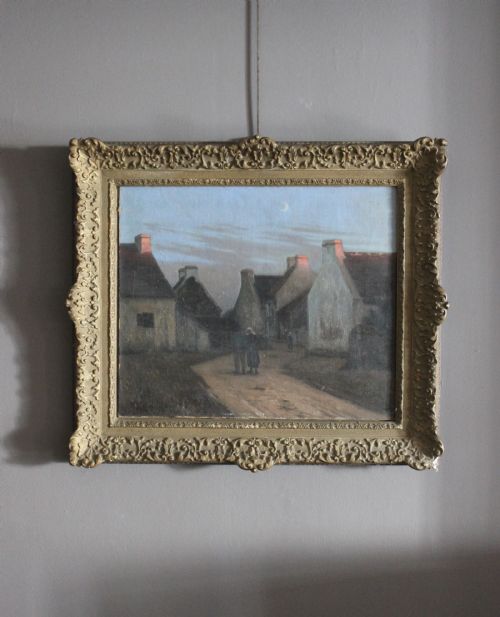
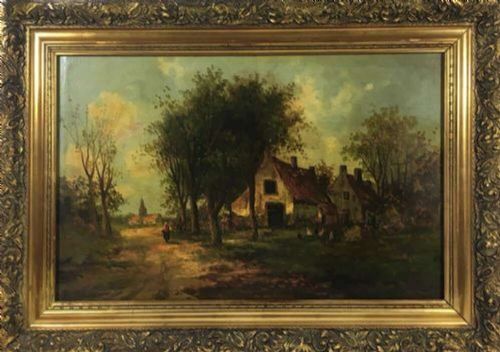
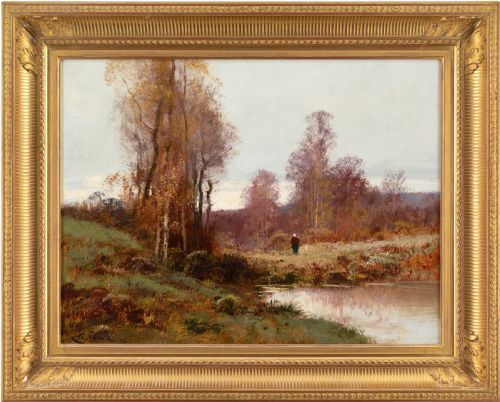
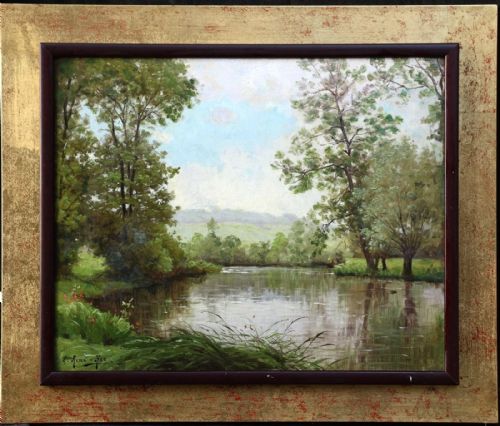
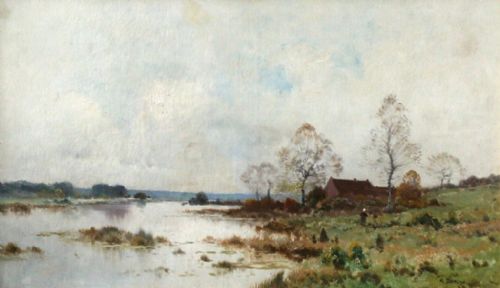
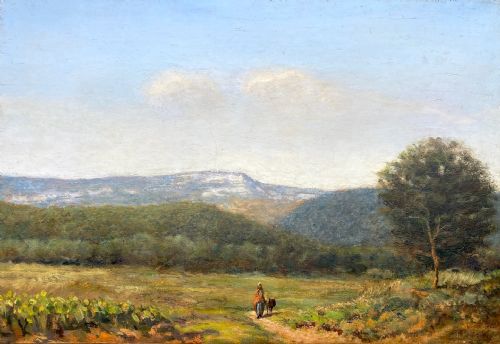
A barbizon oil painting captures pastoral scenes, river banks, and farmyards through the lens of nineteenth-century French realism and landscape traditions. These works focus on the understated beauty of nature, often depicting cattle, woods, and rural paths rather than grand historical narratives.
The pieces available span from the mid-nineteenth century into the twentieth century, reflecting both the core French School and later British interpretations with a barbizon influence. Canvas and oil paint serve as the primary medium, framed in giltwood or simple wood surrounds.
Buyers encounter subjects ranging from the South of France and Provence to river valleys and autumnal landscapes. The execution varies from direct work by known nineteenth-century continental artists to evocative studio pieces from the broader Victorian era.
Materials and Techniques
Painters applied oil paint directly onto stretched canvas, building texture and atmospheric depth through layered brushwork. This method allowed artists to capture shifting light and natural tones outdoors or within the studio.
Giltwood and gilded wood frames frequently accompany these canvases, providing a period-appropriate border that enhances the warm palettes of the paintings. Plain wood framing also appears on works from the later nineteenth and early twentieth centuries.
Barbizon Oil Painting Retail Price Guide 2026
Typical asking prices for barbizon oil painting among the pieces listed under this phrase on Sellingantiques today, from the lower quarter to the upper quarter. They describe what is for sale here now, not the wider market.
Listings feature oil on canvas works spanning from the mid-nineteenth century to the mid-twentieth century, predominantly within French and British schools.
Assessing Quality and Hand
The strength of composition and subtlety of light handling separate accomplished works from routine decorative canvases. Masterful paintings convey atmosphere and depth in the foliage and water through confident, measured brushstrokes rather than rigid detail.
Provenance and clear attribution to recorded artists add historical weight to a piece. Signed works or those linked directly to the French School carry greater documentation than unsigned or provincial interpretations.
Paul Désiré Trouillebert·Charles Clair·Henri Jaques Delpy·Alphonse Robert·Pierre Emmanuel Eugene Damoye·Charles Edmond Rene His·Henri Joseph Harpignies
The Barbizon Oil Painting Glossary
- Barbizon School
- A group of nineteenth-century French painters who turned away from academic convention to paint landscapes directly from nature. Their focus on realism and atmospheric light laid vital groundwork for Impressionism.
- Giltwood
- Wood carved and coated with a thin layer of gold leaf or gilt powder. It is commonly found on nineteenth-century picture frames designed to complement oil paintings.
- Pastoral
- A style of art that idealises rural life and natural scenery, frequently featuring shepherds, cattle, and tranquil river banks. It forms the primary subject matter of many nineteenth-century French landscapes.
- Realism
- An artistic movement beginning in the mid-nineteenth century that prioritised the accurate, unidealised depiction of everyday subjects and contemporary life. This approach informed the core philosophy of the forest painters.
- Oil on Canvas
- A traditional painting technique utilising pigments suspended in drying oils applied to a woven fabric support. It remains the standard medium for nineteenth-century fine art.
Barbizon Oil Painting: Frequently Asked Questions
What is a barbizon oil painting?
A barbizon oil painting is a nineteenth-century landscape work rooted in the French naturalistic tradition, focusing on forests, rivers, and rural farmyards.
These pieces emphasise mood, light, and atmospheric realism over grand narrative subjects.
Where were these paintings created?
Most works originate from France, particularly associated with artists working near the Fontainebleau forest and provincial regions like Provence.
Some pieces reflect British interpretations influenced by the same continental landscape style.
How should I frame an antique oil painting?
Period giltwood or simple wood frames suit these canvases best, matching the nineteenth-century aesthetic without overpowering the artwork.
Ensure the frame allows the canvas to breathe and does not restrict the edges of the composition.
How do I identify a barbizon style work?
Look for earthy palettes, subdued natural lighting, and rustic subjects such as cattle by a stream or wooded paths.
Signatures, framing styles, and canvas textures often help confirm nineteenth-century origins.