

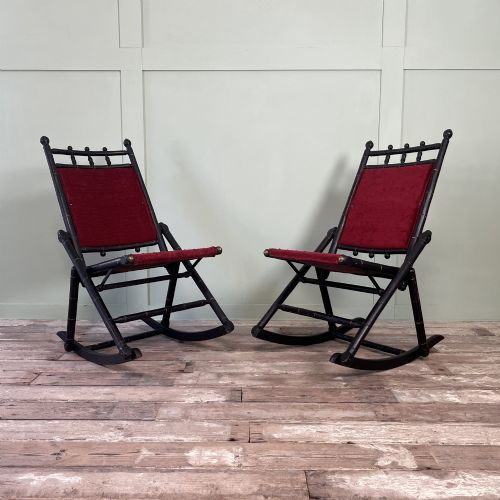


Bamboo Bedroom Chair
These bamboo bedroom chair pieces bring character and lightness to a room, offering elegant seating rooted in historic design.
Bamboo Bedroom Chair
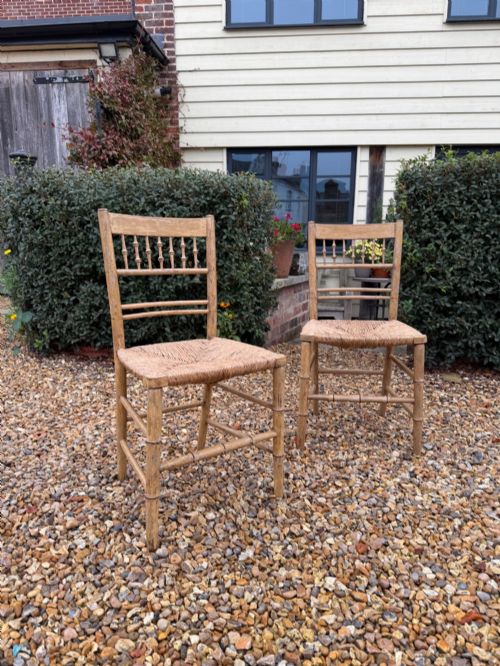
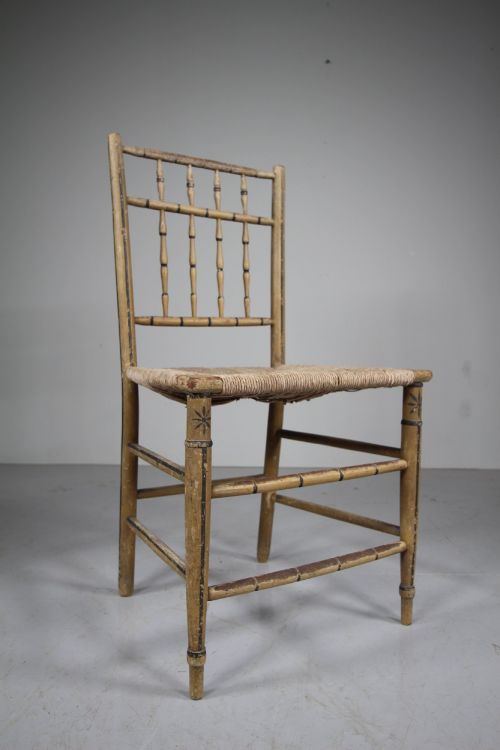
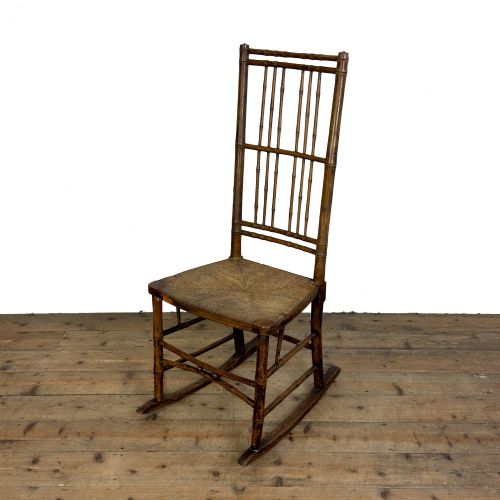
A bamboo bedroom chair brings an organic texture and relaxed aesthetic to domestic spaces, drawing on designs produced across the nineteenth and early twentieth centuries. When searching for a bamboo bedroom chair, buyers encounter various seating forms including side chairs, armchairs, rocking chairs, and dining chairs.
The selections span distinct historical periods such as the Regency era, Victorian period, and Aesthetic Movement, alongside later twentieth-century examples from nineteen twenty. Many pieces utilise simulated or faux bamboo construction, where traditional hardwoods are shaped to mimic the characteristic nodes of natural bamboo.
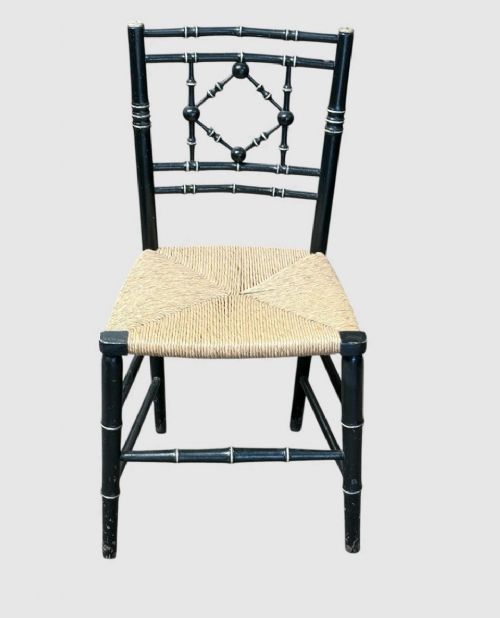
Makers drew on diverse stylistic influences ranging from French Napoleon III and Chinoiserie to classic Regency and Victorian traditions. These chairs often feature painted finishes, ebonised wood, or decorative elements paired with rush, cane, fabric, brass, or velvet seating materials.
How they were made
The construction of a bamboo bedroom chair relies on skilled woodworking techniques to shape solid timber into convincing faux bamboo stalks with realistic joints and rings. Makers often turned wood on a lathe to achieve the segmented form of natural bamboo before applying paint or ebonised finishes.
Seating areas incorporate traditional crafts such as woven rush or cane work, alongside upholstered pads finished in fabrics like velvet. Additional decorative detailing includes hand-painted ornamentation and brass accents integrated into the wooden framework.
Bamboo Bedroom Chair Retail Price Guide 2026
Typical asking prices for bamboo bedroom chair among the pieces listed under this phrase on Sellingantiques today, from the lower quarter to the upper quarter. They describe what is for sale here now, not the wider market.
Listings feature items spanning the Regency period, Victorian era, Aesthetic Movement, and French Napoleon III style, utilising wood, paint, rush, and cane.
What varies in quality
The distinction between standard and superior examples lies in the finesse of the simulated bamboo turnings and the crispness of the painted or ebonised decoration. Higher quality pieces display precise attention to the node details of the bamboo stalks and superior preservation of original decorative schemes.
Structural integrity also separates the range, with better items maintaining rigid joinery across folding mechanisms or delicate arm supports. The quality of secondary materials, such as finely woven rush seats or intact brass fittings, further defines the tier of the piece.
The Bamboo Bedroom Chair Glossary
- Faux bamboo
- Wood that has been carved, turned, or painted to imitate the segmented stems of natural bamboo. This technique was widely utilised during the nineteenth century to achieve an exotic look using domestic timbers.
- Aesthetic Movement
- A late nineteenth-century design style that emphasised visual beauty over narrative subject matter. Pieces from this movement often incorporate Japanese-inspired motifs and ebonised finishes.
- Rush
- Woven marsh grasses used traditionally to create durable and flexible chair seats. It provides a tactile, textured surface that contrasts with smooth wooden frames.
- Ebonised
- Wood treated with a chemical process or dark stain to resemble expensive ebony. This dark finish highlights the decorative turnings of faux bamboo furniture.
Bamboo Bedroom Chair: Frequently Asked Questions
What periods do these chairs come from?
These items originate from several distinct historical eras spanning the nineteenth and early twentieth centuries. Examples frequently date from the Regency period, the Victorian era, and the Aesthetic Movement, with some pieces extending into nineteen twenty.
Design characteristics often reflect the prevailing tastes of these periods, ranging from classical Regency painted surfaces to later Victorian and French Napoleon III influences.
How were bamboo bedroom chairs used historically?
Historically, these seating pieces served functional roles in private sleeping quarters and dressing rooms. Their lightweight construction made them easy to move around domestic spaces as needed.
Beyond bedrooms, similar side chairs and armchairs were utilised in halls, drawing rooms, and intimate parlours to provide decorative yet practical seating.
How do I care for a painted or ebonised chair?
Maintaining these pieces requires gentle dusting with a soft, dry cloth to protect delicate painted surfaces and finishes. Avoid using harsh chemical cleaners or excessive moisture, which can damage historic paintwork or natural seat weaving.
Keep the furniture away from direct sunlight and fluctuating heat sources to preserve the wood and prevent the painted or ebonised decoration from fading.
Are these chairs suitable for daily use?
Many of these seating pieces remain robust enough for regular daily employment when handled with reasonable care. However, certain delicate forms, such as folding rocking chairs or antique cane seats, benefit from lighter use to preserve their historic integrity.
Assessing the current stability of the joints and the condition of the woven or upholstered seat helps determine the best placement in a modern home.