







Bachelors Bureau
A bachelors bureau combines a compact chest of drawers with a fitted writing surface, offering clever practicality for modest spaces.
Bachelors Bureau
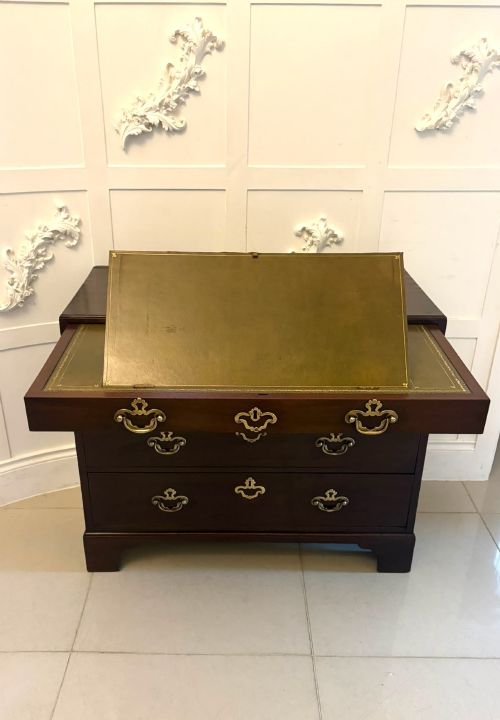
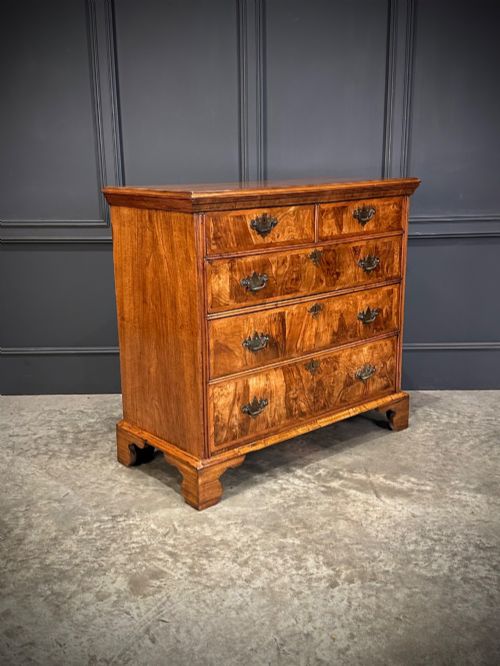
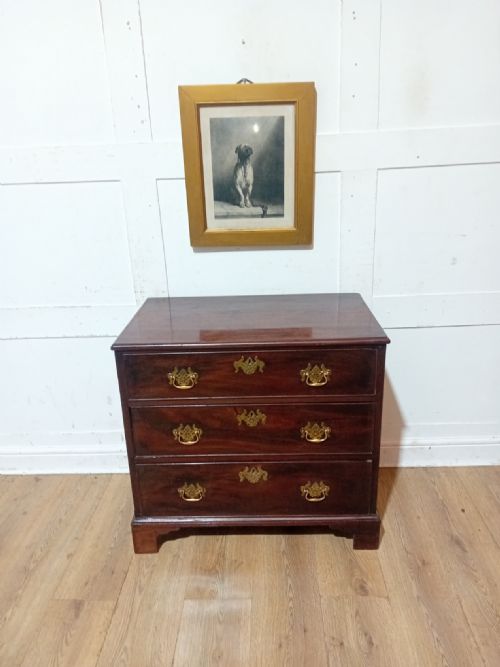
When you search for a bachelors bureau, you are looking at dual-purpose furniture designed for storage and private correspondence. These pieces combine the proportions of a standard chest of drawers with an integrated writing slide, drawer, or folding slope.
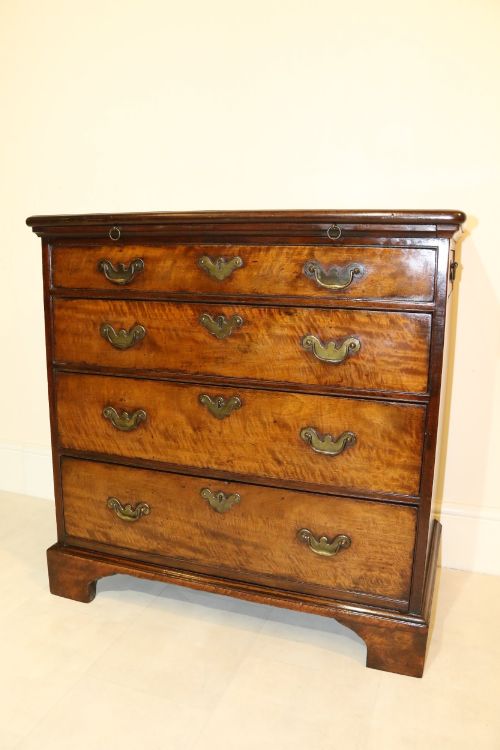
The versions most commonly found here date from the eighteenth century, particularly the Georgian era, alongside later twentieth-century interpretations. Materials range from solid walnut and burr walnut to mahogany, often enhanced by boxwood stringing and brass hardware.
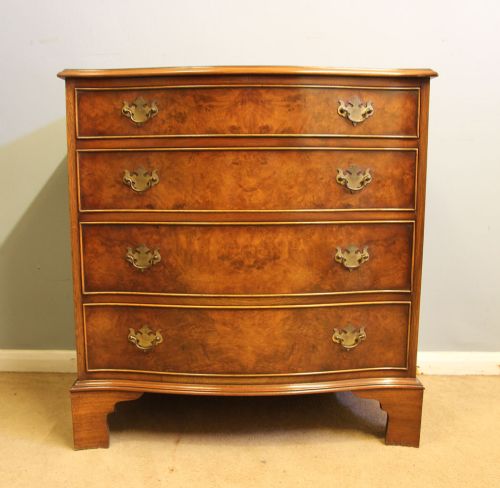
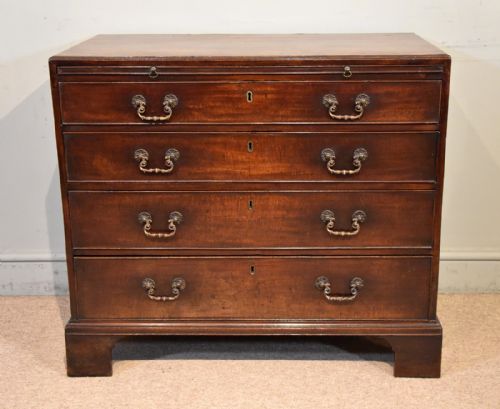
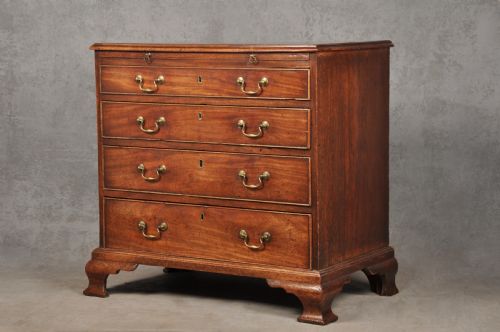
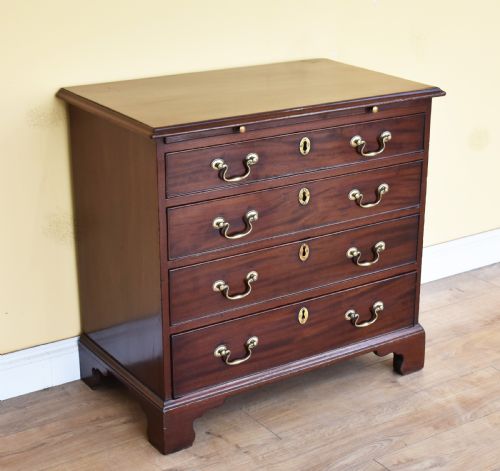
Forms vary from straightforward rectangular chests with brushing slides to serpentine fronts and metamorphic writing desks. Each variation provides the core utility of a chest paired with a dedicated writing surface.
Materials and construction
Cabinetmakers built these pieces using dense timbers such as mahogany and walnut, frequently selecting figured veneers like burr walnut for decorative impact. Secondary details incorporate brass for handles and escutcheons, alongside baize or leather to line the writing surfaces.
Construction techniques rely on traditional joinery to support the sliding writing compartments and folding desks. Drawer interiors often feature secondary softwoods, while exterior surfaces display careful matching of grain patterns and occasional boxwood inlay.
Bachelors Bureau Retail Price Guide 2026
Typical asking prices for bachelors bureau among the pieces listed under this phrase on Sellingantiques today, from the lower quarter to the upper quarter. They describe what is for sale here now, not the wider market.
Object forms range from simple chests of drawers with brushing slides to complex metamorphic writing desks.
Assessing quality and finish
The sophistication of the fitted interior also dictates the standing of a piece. Simple brushing slides sit at one end, while complex metamorphic writing desks and drawers with fine boxwood inlay occupy the other.
Robert Gillows II
The Bachelors Bureau Glossary
- Brushing slide
- A pull-out shelf located above the top drawers, historically used for dusting garments or as a temporary writing surface. It retracts flush into the cabinet when not in use.
- Metamorphic
- A descriptive term for furniture designed to transform its function, such as a chest of drawers concealing a folding writing slope. These pieces shift between storage and workspace.
- Serpentine
- A front contour that curves outward in the centre and inward at the sides, creating a gentle wave shape. This profile requires high skill in shaping solid timber and veneer.
- Boxwood
- A dense, pale wood frequently used for contrasting stringing and inlay work on eighteenth-century cabinetry. It provides sharp linear detail against darker woods like mahogany.
Bachelors Bureau: Frequently Asked Questions
What is a bachelors bureau?
A bachelors bureau is a compact chest of drawers that incorporates a built-in writing desk or sliding shelf. It was designed to provide private writing facilities alongside standard bedroom storage.
These pieces bridge the gap between a writing desk and a chest of drawers, making them suitable for smaller rooms where space is limited.
How were brushing slides used?
Brushing slides served as pull-out surfaces for writing letters or for brushing clothes before dressing. They slide smoothly out from beneath the top drawer.
In many examples, these slides are lined with leather or baize to provide a suitable texture for writing.
What woods are most common?
Mahogany and walnut are the primary timbers found across these pieces, particularly in eighteenth-century examples. Burr walnut and curl mahogany appear frequently on finer veneered surfaces.
Secondary materials include brass handles, boxwood stringing, and leather or baize writing inserts.
How do I date a piece?
Dating relies on observing construction methods, timber choices, and stylistic details associated with Georgian periods or later revivals. Eighteenth-century examples often feature solid walnut or early mahogany construction with hand-cut dovetails.
Twentieth-century interpretations tend to replicate these Georgian forms using period-appropriate veneers and hardware styles.