






Autumn River Landscape
These autumn river landscape works capture seasonal woods and flowing water through oil and watercolour, bringing a rich historic mood straight to your wall.
Autumn River Landscape
An autumn river landscape captures seasonal waterways, rural banks, and wooded valleys through traditional painting mediums. You encounter works spanning from the nineteenth century into the mid twentieth century, reflecting Victorian, Impressionist, and British Realist traditions.
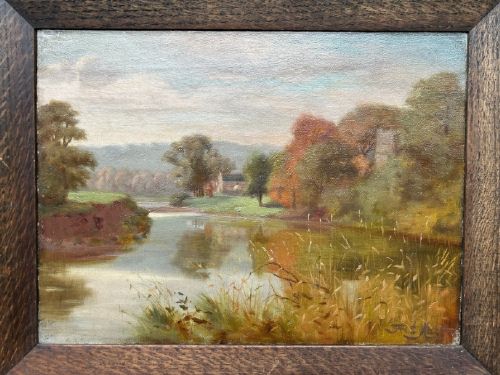
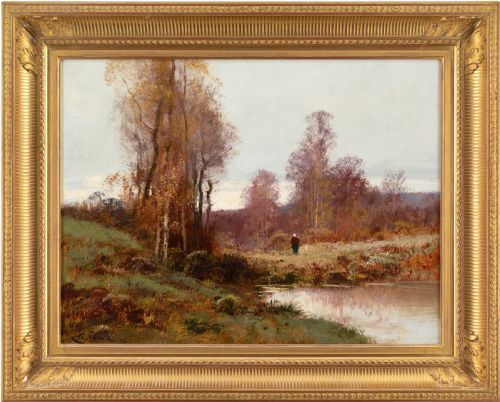
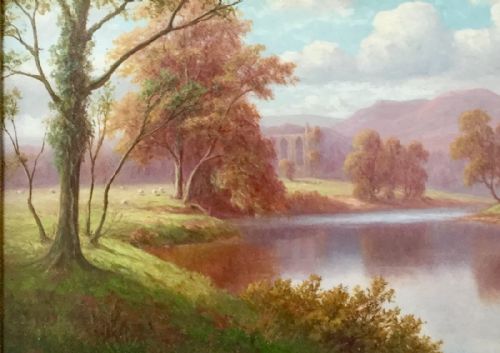
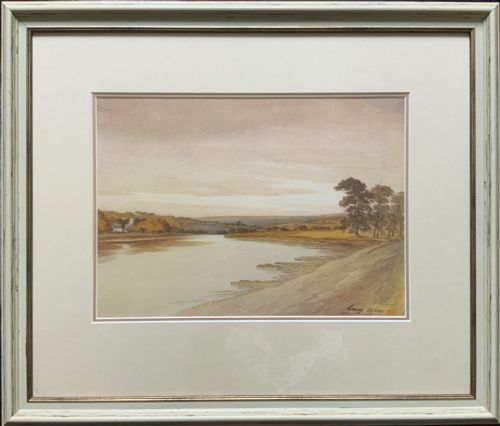
The pieces typically depict rivers, abbeys, and pastoral stretches in England and Canada, executed with genuine artistic observation. Oil on canvas and watercolour on paper dominate the selection, often housed in gilded wood frames.
Materials and technique
Artists deployed oil paint and watercolours upon canvas, wood panels, and paper supports to render these autumnal scenes. The application ranges from smooth academic brushwork to textured impasto that builds the physical depth of woodland foliage.
Gilded wood frames enclose many of these paintings, preserving the edges and complementing the warm palette of the compositions. Pastels also appear on paper supports, offering a softer textural rendering of light across water.
Autumn River Landscape Retail Price Guide 2026
Typical asking prices for autumn river landscape among the pieces listed under this phrase on Sellingantiques today, from the lower quarter to the upper quarter. They describe what is for sale here now, not the wider market.
Several canvases feature stubborn northern rivers like the Wharfe and the Wear, captured just as the leaves turned and the artists reached for their warmest coats.
Judging quality in the painting
Quality rests in the dexterity of brush handling and the precision with which the artist captures natural light upon the water. Stronger works demonstrate confident tonal balance between the dense autumn foliage and the reflective river currents.
The sensitivity of the composition and the strength of provenance separate standard regional depictions from masterworks by listed painters. Original framing and good preservation of the paint surface further distinguish the finest examples.
Frederick Marriott·Charles Clair·Arthur Herbert Rigg·Owen Bowen·William Mellor·Walter Follen Bishop·Berthe des Clayes·Robert Lesley Howey·Ernest Higgins Rigg·George Sykes·Ernest Moore·Augustus William Ennes·Everett Watson Mellor
The Autumn River Landscape Glossary
- Oil on canvas
- A painting technique using pigments bound in a drying oil applied directly to stretched woven fabric. This medium allows for rich colour blending and substantial surface texture.
- Watercolour painting
- A method where fine pigments are suspended in a water-soluble vehicle and applied to paper. It yields translucent washes that capture bright atmospheric daylight.
- Wood panel
- A rigid support base made from timber used by artists before canvas became universal. It provides a stable, smooth ground for fine brushwork.
- Impressionism
- An art movement focusing on accurate depiction of light and its shifting qualities. Painters utilise small, thin yet visible brush strokes to emphasise movement.
- Gilded wood
- Timber frames treated with a thin layer of gold leaf or metallic gilt. These ornate surrounds protect the perimeter of the canvas and enhance the visual warmth of the artwork.
Autumn River Landscape: Frequently Asked Questions
How do I hang an oil painting?
Secure picture hooks into wall studs or use appropriate plaster anchors capable of supporting the weight of the framed canvas. Ensure the piece hangs at eye level away from direct heat sources.
Keep the painting clear of damp areas and direct sunlight to protect both the oil pigments and the gilded wood frame from environmental degradation.
What periods do these paintings represent?
The works originate from the nineteenth century, the Victorian era, and early twentieth-century decades up to nineteen sixty. Each period brings distinct stylistic approaches, moving from traditional realism towards impressionistic interpretations.
British and Canadian artists contributed significantly to this genre, recording rural waterways and historic abbeys during the autumn season.
Are watercolours framed differently than oils?
Watercolour paintings on paper require protective glass glazing and matting to prevent direct contact with the frame. This setup shields the delicate paper medium from atmospheric moisture and dust.
Oil paintings on canvas or wood panels remain unglazed, allowing the textured paint surface to breathe and catch ambient light directly.