

Automatic Watch
An automatic watch harnesses the natural movement of the wrist to wind its own mainspring, combining mid-century engineering with enduring style.
Automatic Watch
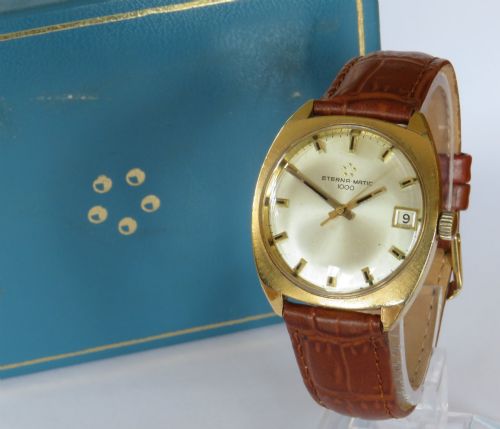
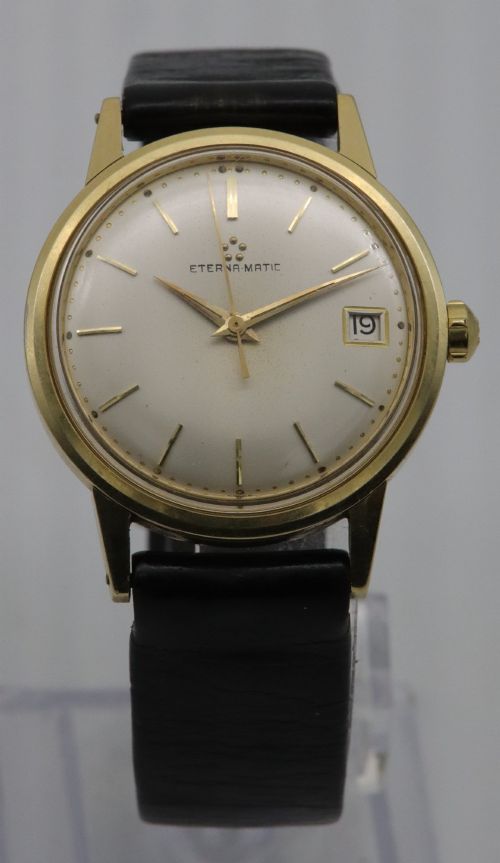
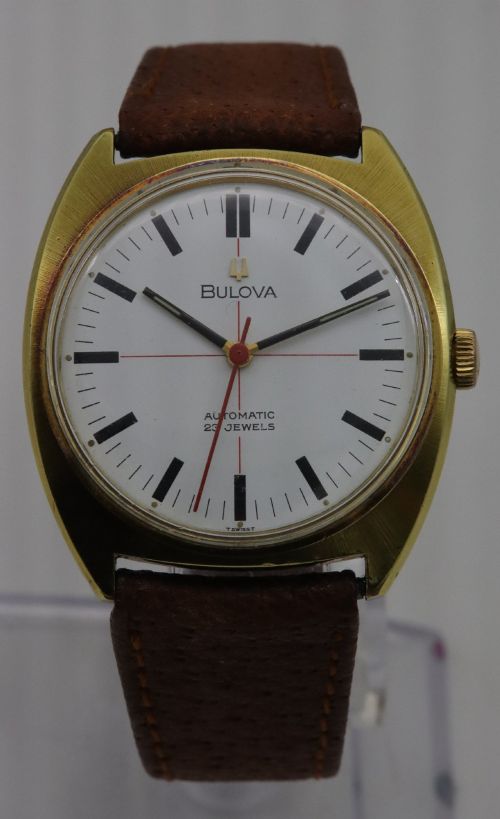
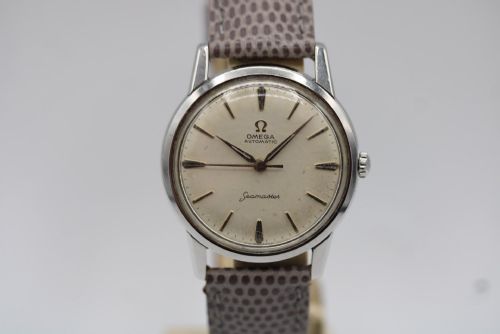
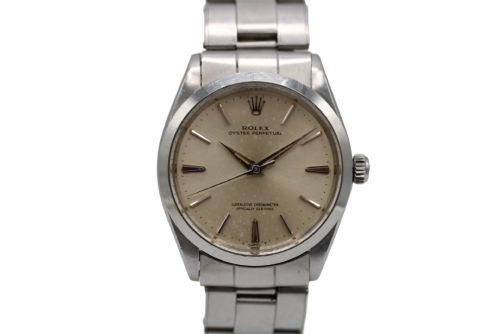
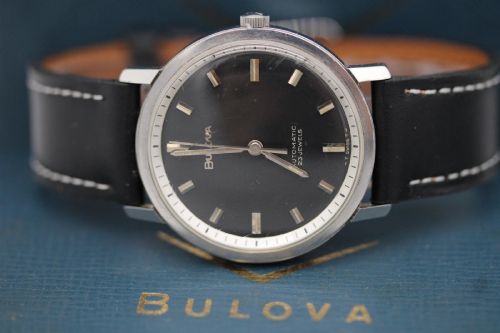
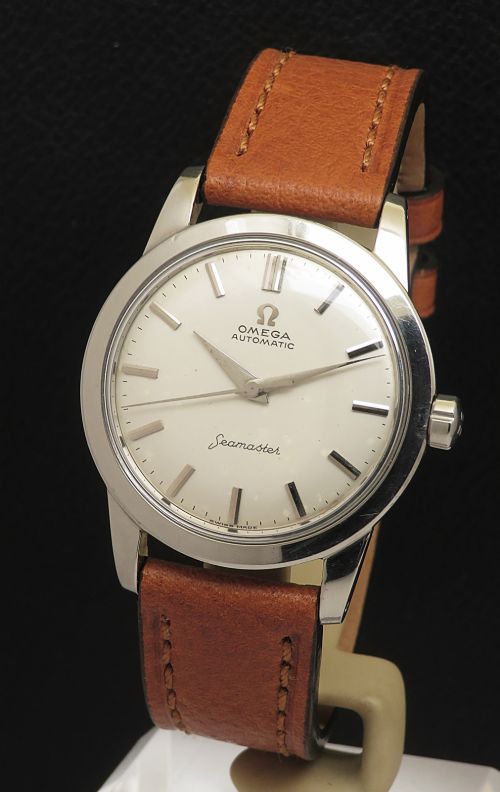
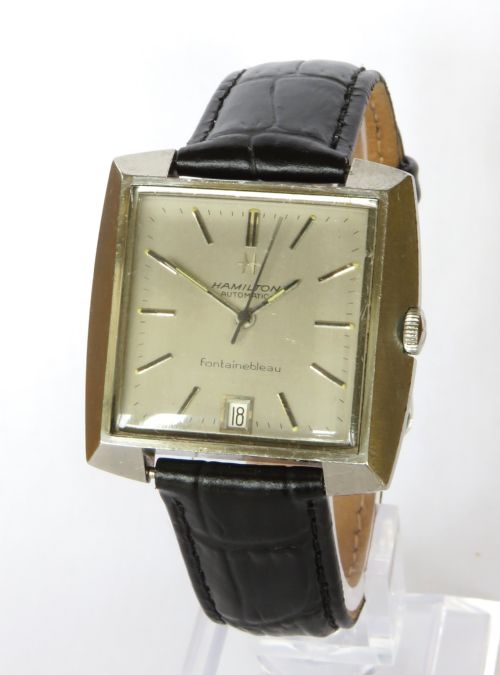
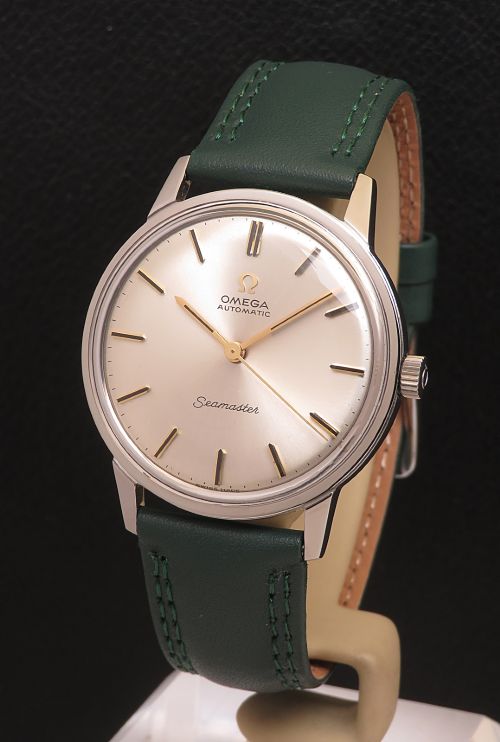
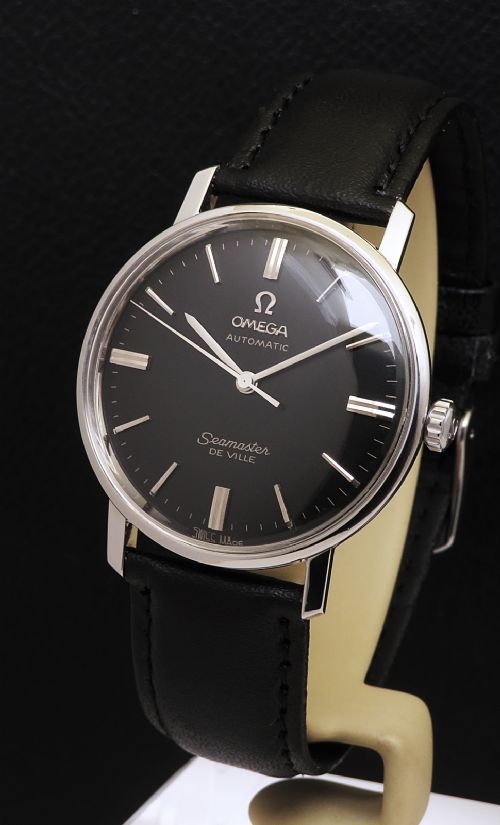
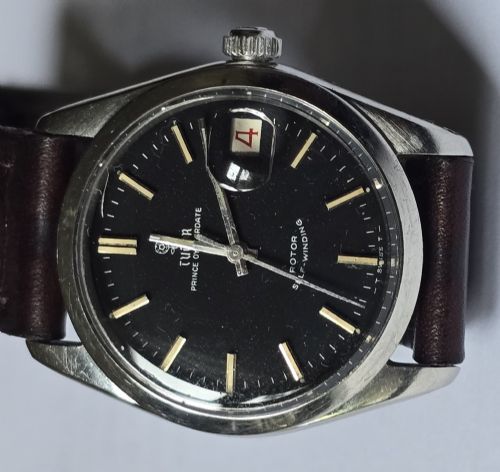
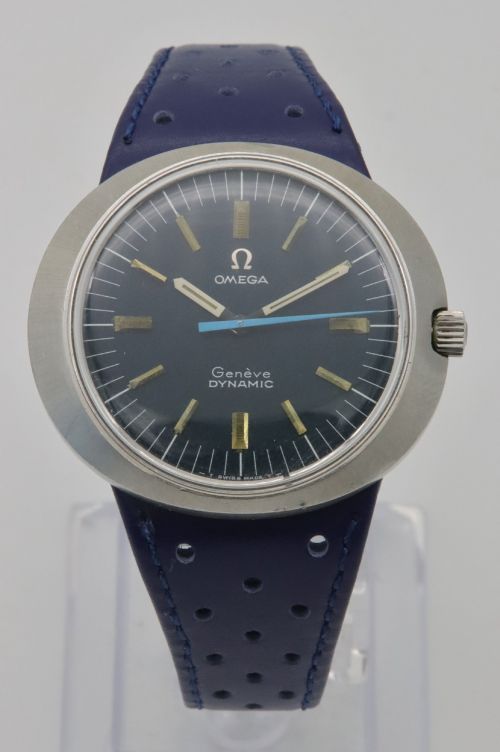
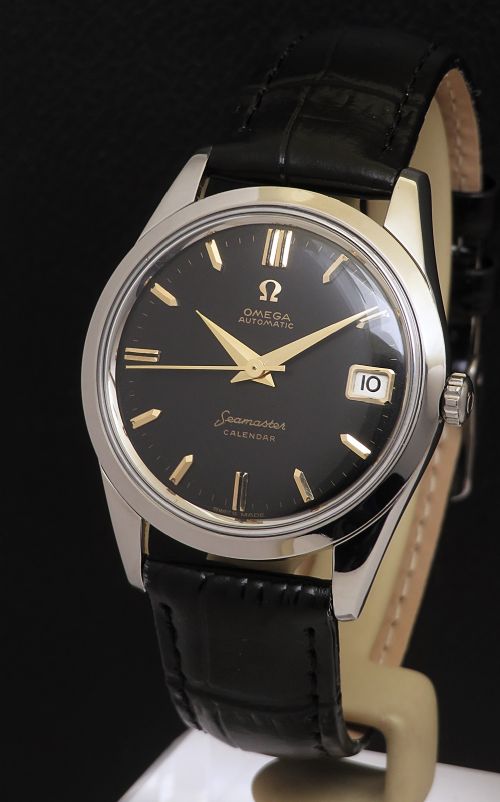
When searching for an automatic watch, a buyer encounters wristwatches driven by mechanical self-winding movements rather than manual daily winding or batteries. The selections here are dominated by mid-century designs originating from the nineteen-fifties and nineteen-sixties.
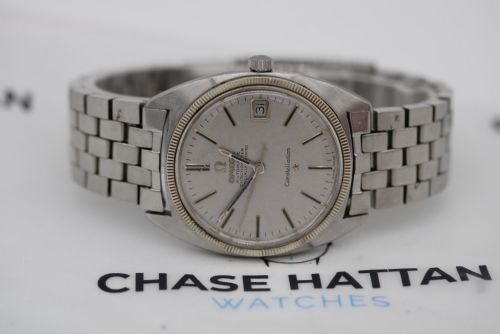
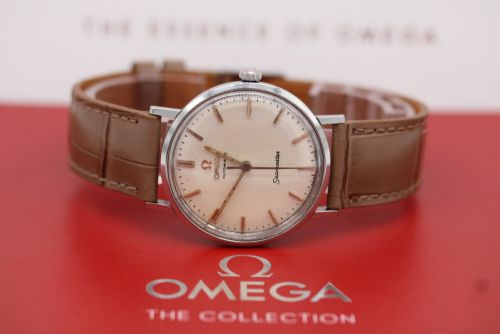
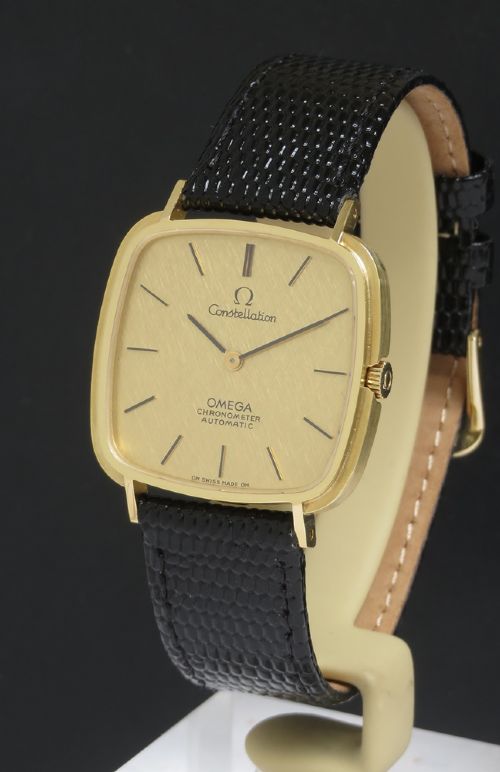
The most common forms on this page include iconic series like the Omega Seamaster and Constellation, alongside robust steel and gold-plated dress and tool watches. These pieces span mid-century modern aesthetics and retro styling, reflecting the horological output of that era.
How they were made
Cases of an automatic watch are forged from stainless steel, gold plate, or solid nine-carat and eighteen-carat gold, paired with protective acrylic or glass crystals. Dials often feature applied markers, textured finishes such as honeycomb patterns, and integrated date windows.
Movements rely on internal weighted rotors or bumper mechanisms that swing with arm motion to tension the mainspring incrementally. Leather straps complete the assembly, fastened securely to house intricate mechanical calibres.
Automatic Watch Retail Price Guide 2026
Typical asking prices for automatic watch among the pieces listed under this phrase on Sellingantiques today, from the lower quarter to the upper quarter. They describe what is for sale here now, not the wider market.
Some early automatic watches announce themselves with a gentle internal thud, letting the wearer feel time winding itself with every gesture.
What varies in quality
Quality in an automatic watch is defined by the original grade of the movement, such as chronometer certification, and the purity of the case material, moving from gold-plated brass to solid precious metals. Preservation of original dial details and case edges also heavily dictates the standard of a piece.
The distinction between standard models and top-tier examples rests on whether internal calibres remain entirely authentic and whether external elements like dials retain their pristine factory finishes without harsh restoration.
Omega·Tudor·Hamilton·Seiko·Bulova·Festina·Gruen·IWC·Bucherer·Avia·Tissot·Wittnauer·Longines·Baume·Eterna·Prisma·Rolex
The Automatic Watch Glossary
- Bumper automatic
- An early self-winding movement where a weighted spring-loaded rotor swings back and forth through a limited arc rather than spinning in a full circle. This distinctive mechanical movement can be felt physically ticking against the wrist.
- Chronometer
- A precision watch movement that has successfully passed high-accuracy tests conducted by an official rating organisation over several days. Such pieces represent the upper echelon of mechanical reliability.
- Calibre
- The specific internal mechanical movement manufactured to drive a watch. Collectors use this term to identify the exact technical lineage of the mechanism housed inside the case.
- Honeycomb dial
- A textured watch face featuring a raised, geometric grid pattern resembling a beehive. This decorative surface treatment is typically found on mid-century dress models.
Automatic Watch: Frequently Asked Questions
What is a bumper automatic watch?
A bumper automatic uses an early rotor design that swings partway around and bounces off internal springs to wind the mainspring.
Wearers feel a gentle tap on their wrist as the weight moves, which distinguishes these mid-century movements from later full-rotor systems.
How do I wind an automatic watch?
Most automatic watches wind themselves through natural wrist motion during daily wear.
If the watch has stopped completely, giving the crown a few manual turns kick-starts the movement before the internal rotor takes over.
Are these watches waterproof?
Vintage automatic watches generally lack modern water resistance standards due to age and degraded seals.
Exposing them to moisture or swimming is strongly discouraged unless a specialist watchmaker has recently pressure-tested the case.
How do I tell the age of a vintage watch?
The production period can often be identified through movement serial numbers, case back stamps, and stylistic design cues.
Reference numbers and specific calibre types help narrow down the manufacturing decade to the nineteen-fifties or sixties.