



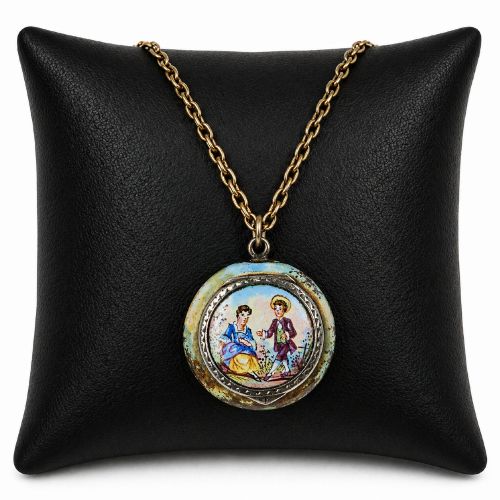

Austrian Silver
These pieces of austrian silver bring together the fine metalwork, enamel and glass of Vienna and beyond.
Austrian Silver
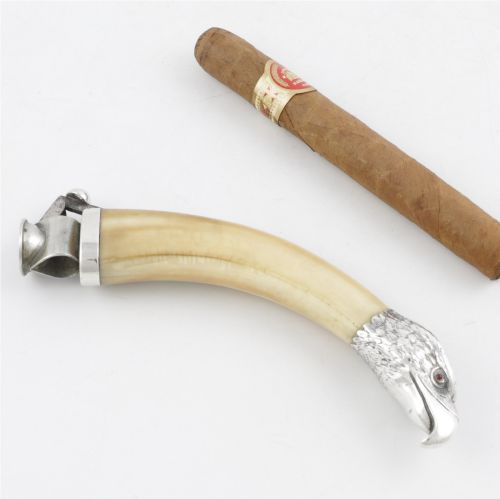
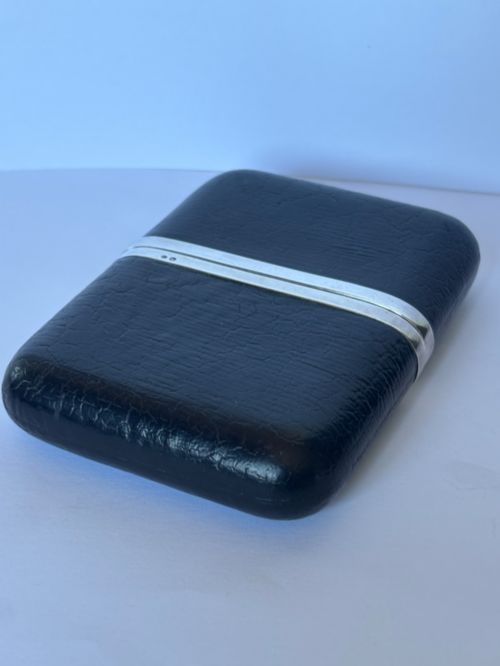
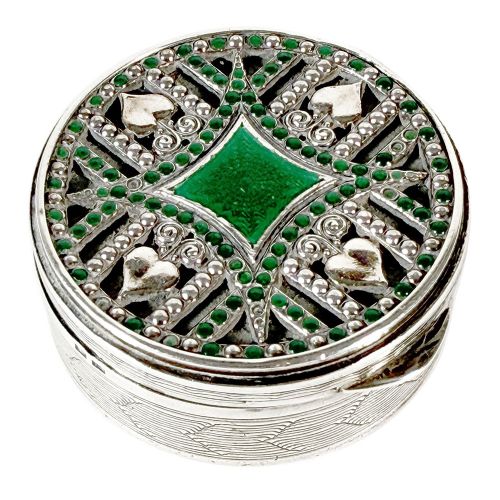
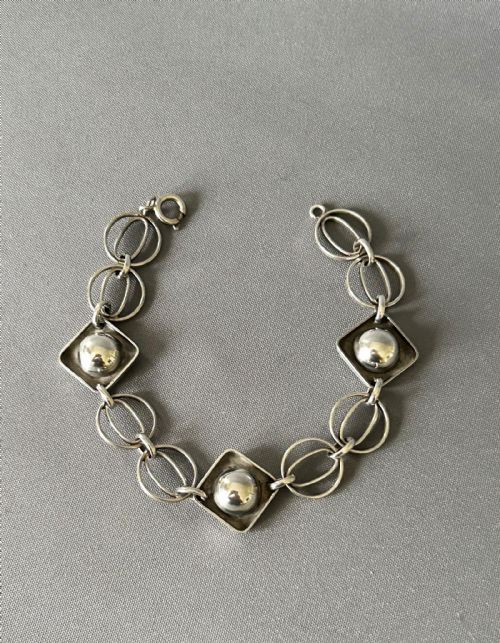
When you search for austrian silver, you encounter a varied selection of objects ranging from personal accessories like pill boxes, cigar cases and jewellery to decorative table pieces, vases and sculptures. The selection on this page leans heavily into the distinct aesthetic movements of the late nineteenth and early twentieth centuries, capturing the shift from traditional revivalist designs to modernism.
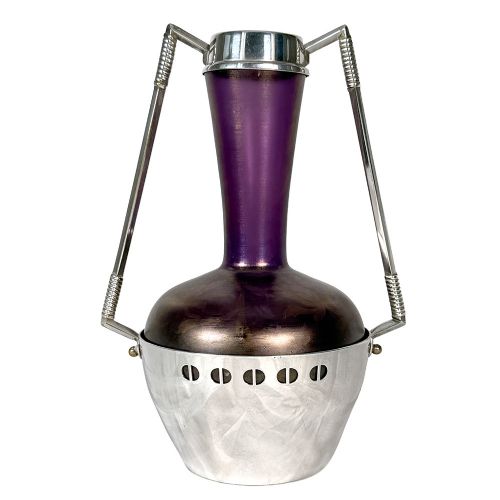
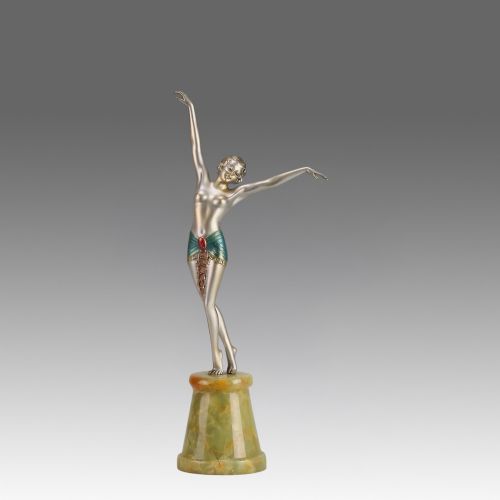
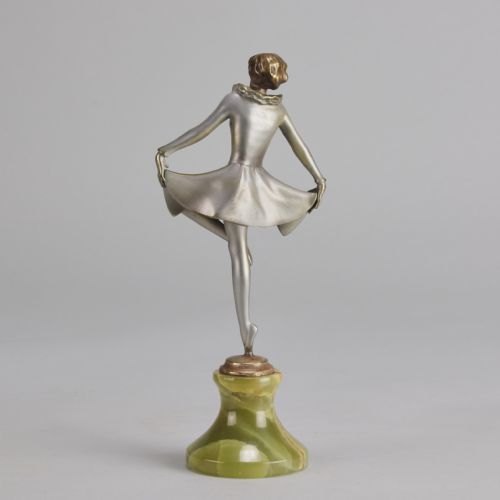
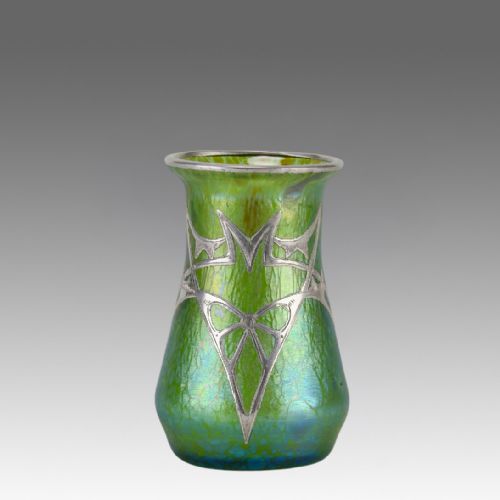
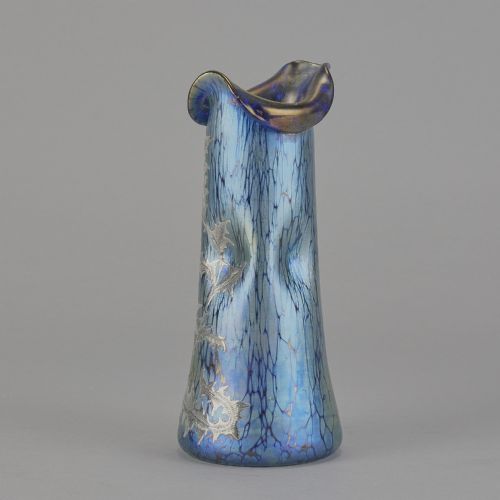
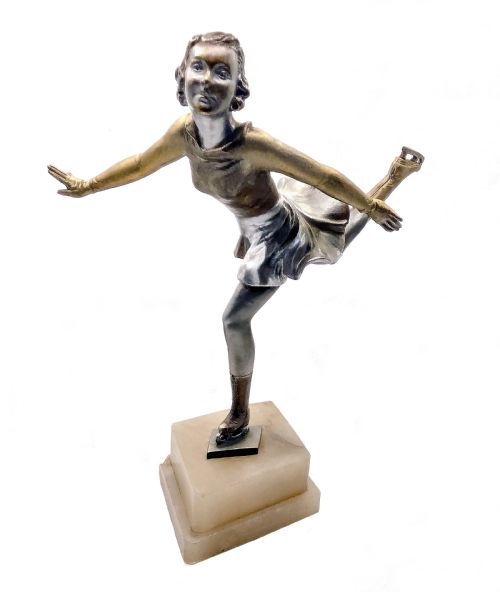
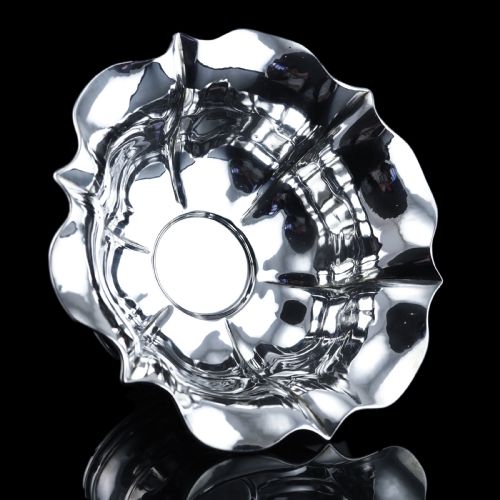
You will frequently meet items embodying the Vienna Secession, Art Nouveau and Art Deco styles, alongside earlier Victorian and eighteenth-century examples. Forms include solid silver bowls, mounted iridescent glass vases, and cold-painted bronze figures with silver or metal elements, reflecting the breadth of Austrian craftsmanship across multiple decades.
Assessing quality
Quality rests upon the crispness of the casting, the preservation of delicate enamel work and the integration of mixed media such as glass and silver mounts. Superior pieces display meticulous hand-finishing and clear attribution to known designers or workshops.
The sophistication of the design, whether in the fluid lines of Jugendstil or the geometric precision of Art Deco, dictates the standing of an object. Intricacy of detail in cold-painted figures or multi-gem jewellery further separates standard production from exceptional examples.
Austrian Silver Retail Price Guide 2026
Typical asking prices for austrian silver among the pieces listed under this phrase on Sellingantiques today, from the lower quarter to the upper quarter. They describe what is for sale here now, not the wider market.
Listings feature items from the eighteenth century, the Victorian era, nineteen hundred, and the nineteen-twenties and nineteen-thirties.
Carl Heiss·Loetz·Argentor·Georg Adam Scheid·Josef Lorenzl·Johann Loetz·Loetz Witwey·Josef Margold
The Austrian Silver Glossary
- Silver Gilt
- Silver that has been coated with a thin layer of gold on its surface. This technique provides a warm, two-tone appearance often utilised in decorative boxes and jewellery.
- Guilloche Enamel
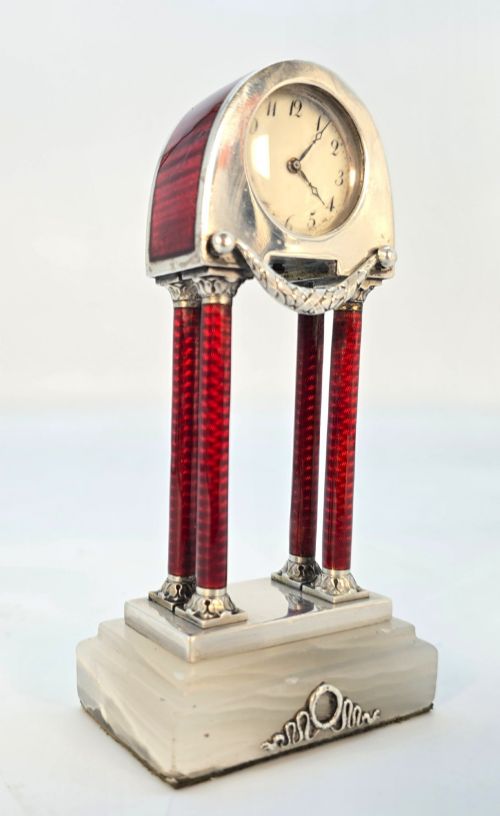
- A decorative technique where a precise pattern is mechanically engraved into the metal beneath a translucent layer of enamel. It creates a repeating geometric shimmer across pill boxes and compacts.
- Vienna Secession
- An artistic movement formed in eighteen ninety-seven by Austrian artists who resigned from the Association of Austrian Artists. It rejected historicism in favour of clean lines and geometric forms.
- Cold-Painted Bronze
- A method where bronze sculptures are painted with cold oil paints rather than fired in a kiln. The technique was widely adopted for decorative cabinet figures and dancers.
- Iridescent Glass
- Glass treated with metallic salts while hot to produce a shimmering, rainbow-like sheen. It is frequently seen paired with silver mounts in Secessionist and Art Nouveau vases.
Austrian Silver: Frequently Asked Questions
What defines austrian silver?
Austrian silver encompasses metalwork, decorative objects and accessories produced in Austria, spanning periods from the eighteenth century through the Art Deco era. It is characterised by distinct regional styles including the Vienna Secession and Austrian Jugendstil.
These pieces often incorporate enamel, precious stones or glass, reflecting the strong tradition of craftsmanship centred around Vienna.
How are pieces dated?
Dating relies on hallmarks stamped onto the silver, stylistic indicators of periods like Art Nouveau or Art Deco, and documented signatures of makers. Comparing forms against known manufacturing records helps place an item within a specific decade.
Materials such as guilloche enamel and iridescent glass also point toward specific periods of production around nineteen hundred.
Where were these items made?
The majority of these pieces originate from workshops and factories based in Vienna, which served as the primary hub for Austrian design and metalworking. Major makers and designers operated within this urban centre.
Items may also bear Austro-Hungarian hallmarks indicating production across the broader empire during the nineteenth century.
How do I care for silver and enamel?
Silver requires gentle cleaning with a soft cloth to avoid scratching delicate surfaces or wearing down silver gilt layers. Enamel and mounted glass should be kept away from harsh chemical dips and abrasive polishes.
Storing pieces in stable environments protects both the metalwork and organic elements like pearls, coral and leather.