





Austrian Art Nouveau
Austrian art nouveau pieces bring organic curves and rich craftsmanship into a room through decorative bronze figures, iridescent glass, and earthenware.
Austrian Art Nouveau
When searching for austrian art nouveau, buyers encounter a diverse range of objects originating from Vienna and broader Austrian workshops around the turn of the twentieth century. These creations span functional household items, striking lighting, and sculptural works that embrace the flowing, naturalistic vocabulary of the period.
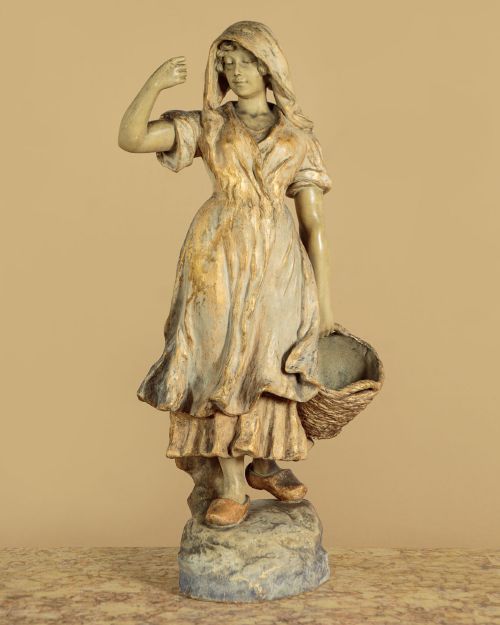
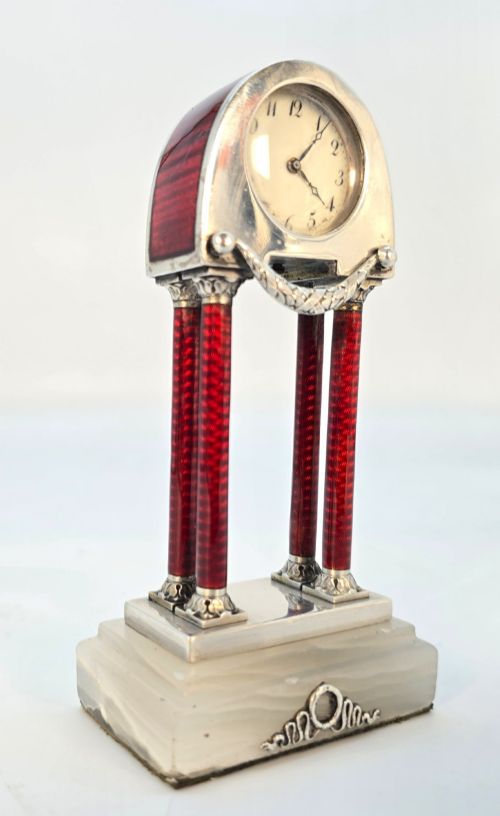
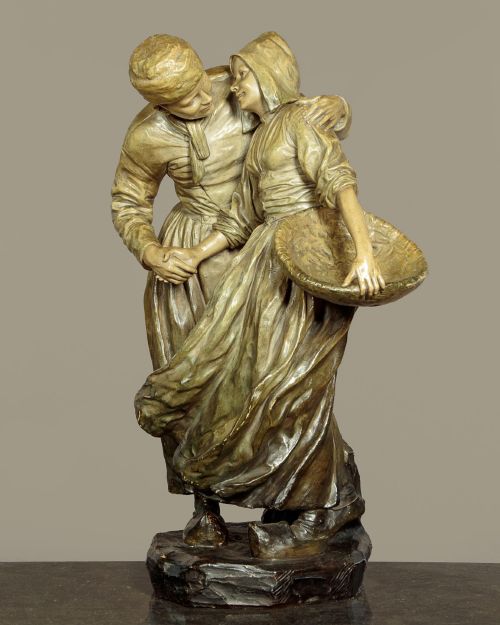
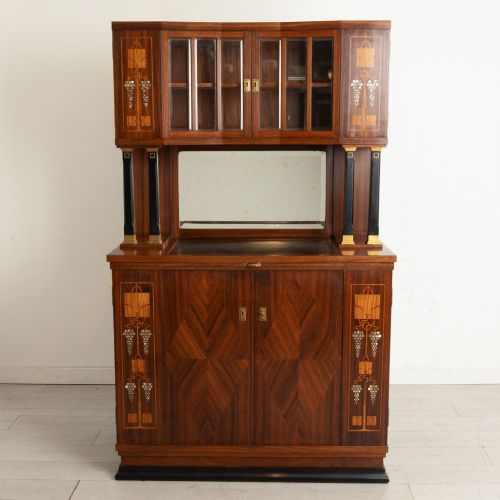
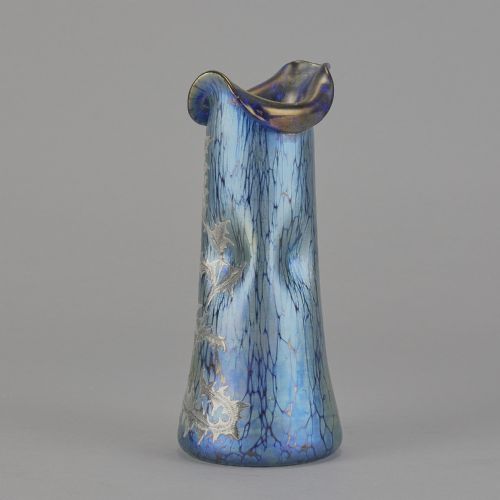
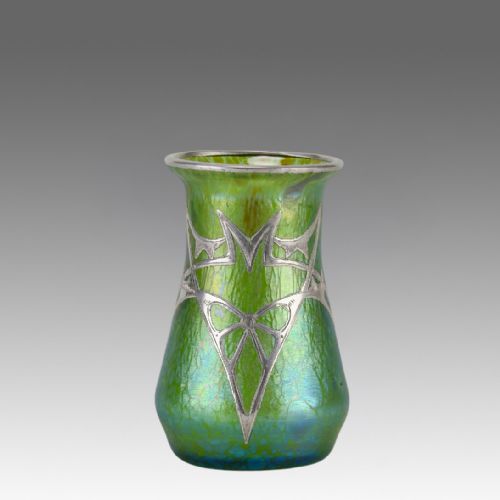
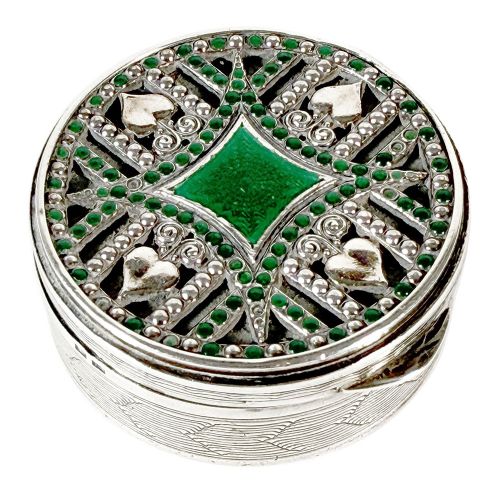
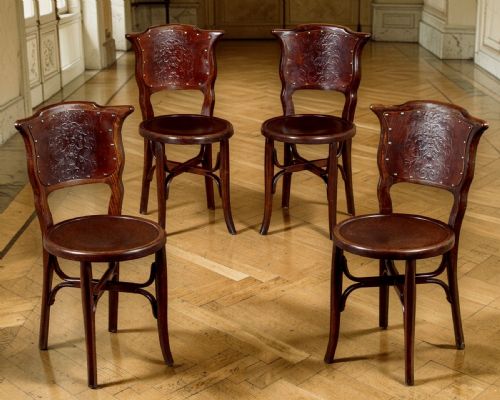
Vessels and figures dominate the selection, with iridescent glass vases, terracotta sculptures, and majolica pottery appearing frequently alongside specialised items like silver and enamel desk clocks and pill boxes. Furniture pieces such as bentwood rocking chairs and display cabinets also represent the era's distinctive output.
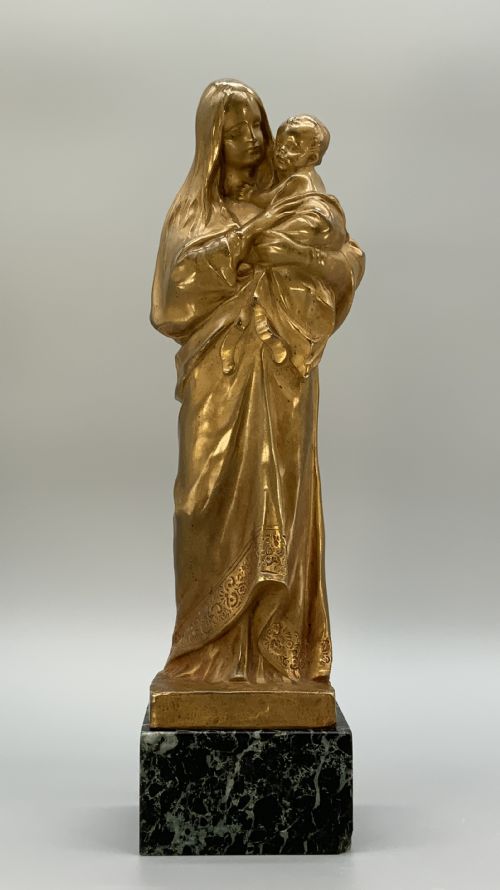
The objects cross multiple material categories, incorporating bronze, porcelain, pewter, and carved wood. Many items reflect the architectural and decorative philosophies of the Vienna Secession and the Wiener Werkstätte, bridging traditional craft with avant-garde design.
How they were made
Makers utilised specialised casting, slip-casting, and hand-finishing techniques to achieve fluid organic contours in bronze, terracotta, and earthenware bodies. Cold-painting and electroplating added vibrant polychrome surfaces to metal figures and vessels.
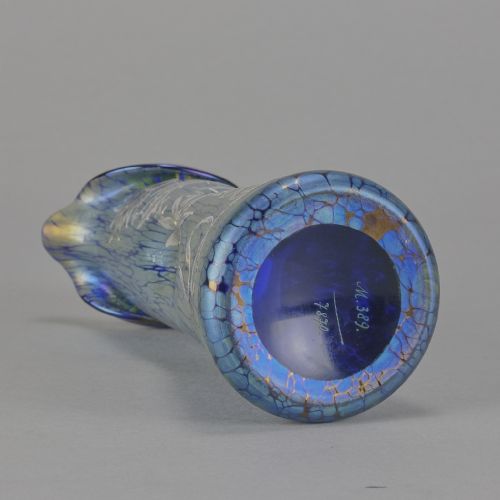
Glass production relied on complex chemical treatments to produce iridescent surfaces, such as the papillon effects seen on Loetz glass, while silversmiths combined hammered silver with enamel and coral inlay. Bentwood furniture production involved steaming beech timber in iron moulds to create resilient, curved structural frames.
A satirical terracotta wall plaque records a refugee monkey family in America.
What varies in quality
Quality rests upon the precision of the modelling, the depth of the casting detail in metal or terracotta, and the originality of the surface decoration. Master modlers working for prominent firms achieved finer facial expressions and more dynamic drapery on figurative pieces.
In glass and ceramics, the vibrancy of the iridescence, the complexity of the glaze chemistry, and the crispness of applied metal mounts distinguish standard production items from exceptional exhibition-grade works designed by leading artists.
Goldscheider·Jacob and Josef Kohn·Loetz Witwe·Ernst Wahliss·Hans Müller·Carl Kauba·Franz Bergman
The Austrian Art Nouveau Glossary
- Vienna Secession
- An association of Austrian artists who broke away from the traditional Academy of Fine Arts in 1897. Their work favoured geometric forms alongside organic motifs.
- Majolica
- Earthenware decorated with opaque coloured glazes over a tin-white base. It allows for vibrant pictorial surfaces on decorative ewers and jardinières.
- Bentwood
- Wood that has been heated with steam to make it pliable and shaped into curved forms. It enabled the creation of lightweight, resilient chairs and rocking frames.
- Cold-painted bronze
- Sculptures finished with oil-based paint applied without heat after casting. This technique was widely utilised on small decorative animal and human figures.
Austrian Art Nouveau: Frequently Asked Questions
How do I identify genuine austrian art nouveau glass?
Genuine pieces often display distinct iridescent sheens, characteristic optic patterns, and specific surface treatments like the papillon finish. Many vessels carry factory signatures or design numbers etched into the pontil mark or body.
Examination under magnification helps reveal the tactile quality of the layered glass and the integration of any metal mounts. Consulting historical documentation assists in matching specific colour decors to known production periods.
What materials were commonly used in austrian art nouveau ceramics?
Makers predominantly worked with terracotta, earthenware, majolica, and porcelain to achieve sculptural forms and painted vessels. These materials allowed workshops to execute intricate relief modelling and vibrant coloured glazes.
Earthenware bodies formed the base for slip-cast figures and large decorative ewers, while porcelain suited refined tableware and small cabinet vases. The choice of ceramic body directly influenced the texture and finish of the final glaze.
How should I care for cold-painted bronze figures?
Cold-painted bronzes require gentle dusting with a soft, dry brush to protect the delicate oil-based pigments from abrasion. Moisture and direct sunlight can damage the painted surface over time.
Keeping these sculptures in stable indoor environments prevents flaking of the original finish. Avoid using liquid cleaners or polishing agents on the painted sections entirely.