







Asian Wooden Lamp
An asian wooden lamp brings hand-carved natural forms and dense regional timbers into a room, offering warm light paired with centuries of craftsmanship.
Asian Wooden Lamp
An asian wooden lamp encompasses table lamps, standard lamps and torchiere lighting fashioned from substantial timbers like hardwood, padauk and root wood. These pieces emerge from the Victorian era up through the early decades of the twentieth century, reflecting diverse origins from China, Japan, and Indonesia.
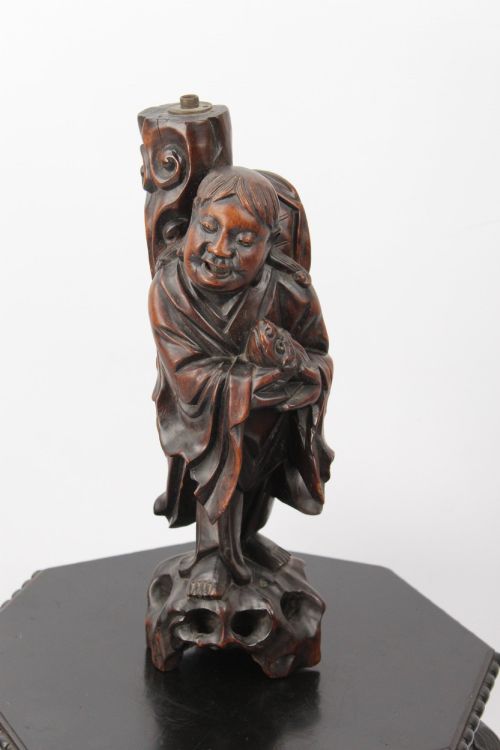
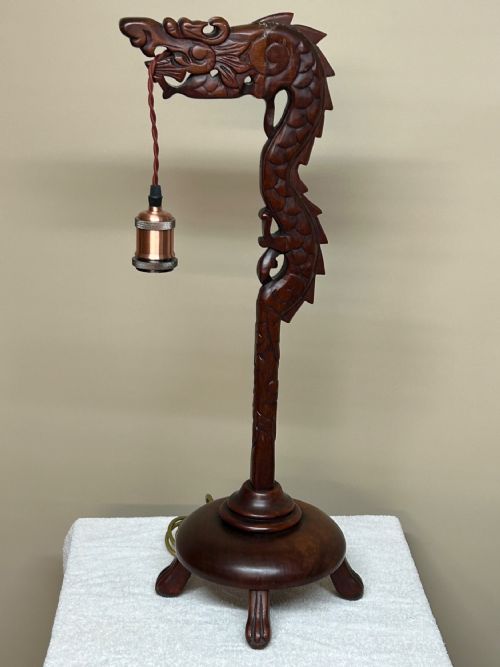
The most common examples encountered on this page are table lamps and standard lamps shaped from carved root wood or dense hardwood, often incorporating dragon motifs or intricate surface detailing. Many pieces originate from the Qing Dynasty and Japanese Meiji periods, utilising traditional joinery and carving methods.
Buyers also find occasional pieces converted for lighting, such as lantern stands and vase tables, which bridge the gap between functional illumination and decorative furniture. Each item retains the distinct regional aesthetic of its maker, whether that is Chinese export work, Japanese root carving, or Anglo-Indian design.
Materials and Technique
The construction relies heavily on dense timbers including hardwood, padauk and elm, chosen for their weight and stability. Artisans shaped these materials using hand-carving techniques, often following the natural contours of root wood to create organic, sculptural silhouettes.
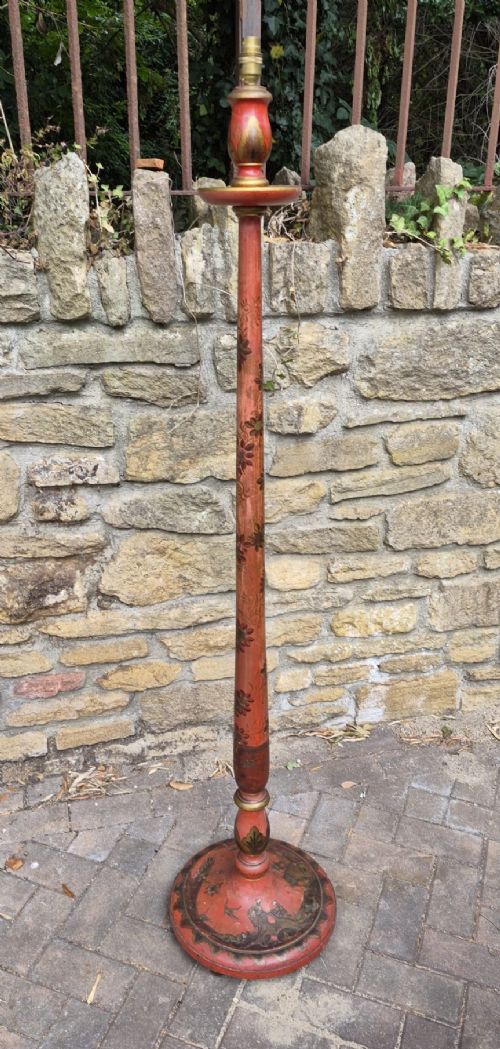
Surface finish and ornamentation involve traditional methods such as lacquering, ebonising and the application of mother of pearl inlay. Brass fittings frequently accompany the woodwork, securing electrical components or structural joints while adding metallic contrast to the dark timber.
Asian Wooden Lamp Retail Price Guide 2026
Typical asking prices for asian wooden lamp among the pieces listed under this phrase on Sellingantiques today, from the lower quarter to the upper quarter. They describe what is for sale here now, not the wider market.
Several lamps are carved from tree roots, meaning the forest made the first design choice a century or two before the artisan picked up a chisel.
Assessing Quality
Quality rests in the depth and ambition of the carving, distinguishing fluid, deeply undercut dragon motifs and root formations from flat or repetitive surface work. The choice of timber dictates the baseline, with heavy, figured hardwoods and padauk demanding greater skill from the carver than softer utility woods.
The integrity of the construction and the retention of original surface treatments, such as red lacquer or mother of pearl inlay, separate exceptional examples from heavily altered pieces. A superior lamp demonstrates proportion and balance, ensuring the natural grain of the wood enhances the silhouette rather than competing with it.
The Asian Wooden Lamp Glossary
- Hardwood
- Dense, durable timber from broad-leaved deciduous trees that resists scratching and supports intricate hand carving. This material forms the structural foundation of most antique Asian lighting.
- Root Wood
- Timber sourced from the root systems of trees, prized for its gnarled, twisting natural contours. Artisans utilise these organic shapes to create sculptural lamp bases.
- Padauk
- A heavy, reddish-brown tropical timber known for its strength and fine grain. It appears frequently in standard lamps and furniture requiring robust structural support.
- Mother of Pearl
- The iridescent inner layer of mollusc shells used as decorative inlay. Craftsmen set these delicate pieces into wood surfaces to create shimmering floral or geometric patterns.
- Torchiere
- A tall standing lamp designed to direct light upward towards the ceiling. These imposing wooden fixtures often feature elaborate pillar carvings.
Asian Wooden Lamp: Frequently Asked Questions
How do I identify a root wood lamp?
Root wood lamps display gnarled, twisting organic contours that follow the natural growth habit of the tree's subterranean structure. Artisans carved these raw formations minimally to preserve the unique sculptural silhouette.
Examining the grain reveals tight, irregular growth rings and knot formations not found in straight-grained lumber. This gives each lamp a one-of-a-kind appearance.
What periods do these lamps date from?
The lighting and furniture listed here date primarily from the nineteenth century through the early decades of the twentieth century. This spans the Victorian era, the Qing Dynasty in China, and the Japanese Meiji period.
Design characteristics align with these historical windows, showing traditional carving styles and export craftsmanship typical of those decades.
Are these lamps converted from other objects?
Many examples began life as functional items such as lantern stands, vase tables, or architectural elements before receiving electrical fittings. Craftsmen adapted these sturdy wooden pieces to serve modern lighting needs while retaining their original aesthetic.
This practice preserves antique craftsmanship by giving historical furniture a practical role in contemporary interiors.
How do I care for antique hardwood?
Maintain antique hardwood by keeping it away from direct heat sources and strong sunlight, which can dry out and split the timber. Dust the surface gently with a dry, soft cloth rather than using silicone-based polishes.
Occasional application of appropriate wax preserves the natural lustre of dense timbers like padauk and elm without building up residue.