

Asian Textile Wall Art
Asian textile wall art gathers woven, embroidered and painted panels from Central Asia, China and Bali, bringing rich cultural history into modern interiors.
Asian Textile Wall Art
Asian textile wall art encompasses a diverse range of historic panels, embroideries and hangings originating from regions such as Uzbekistan, Turkmenistan, China and Bali. These items span from the nineteenth century into the mid twentieth century, reflecting varied regional traditions in domestic and ceremonial craft.
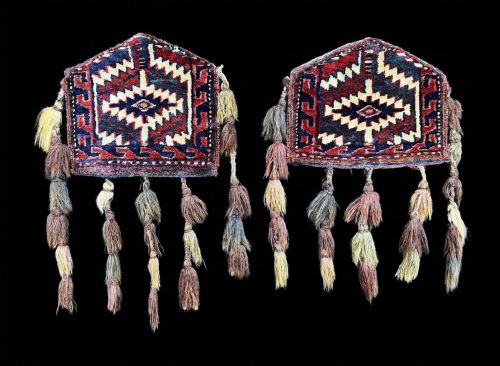
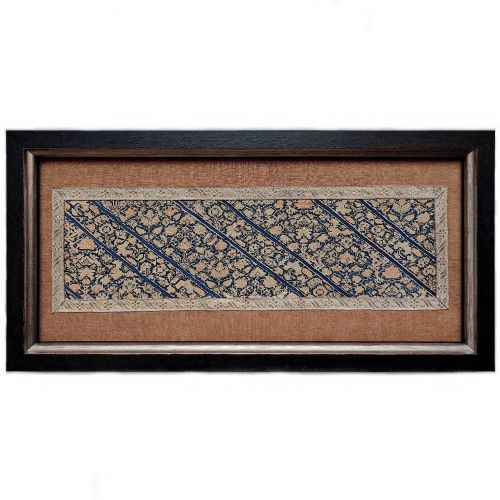
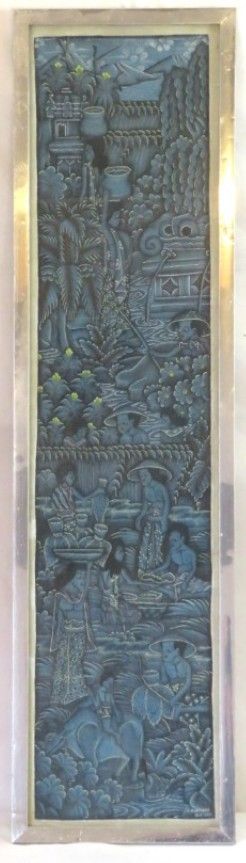
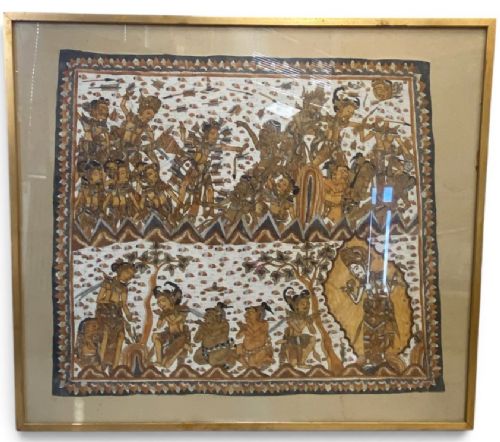
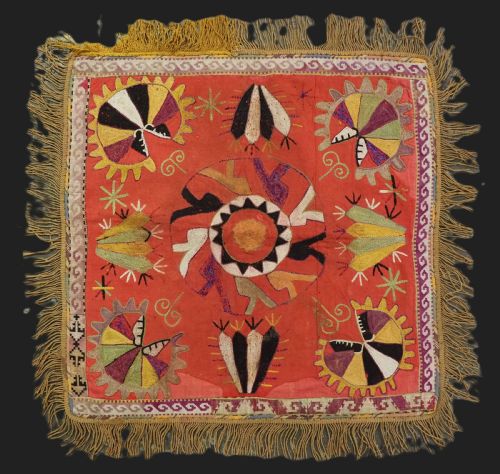
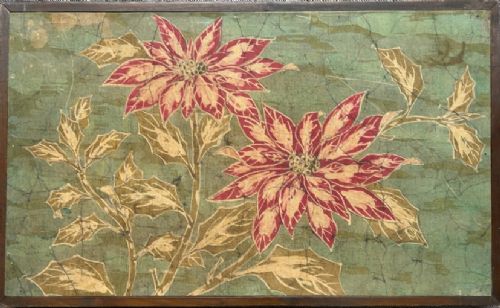
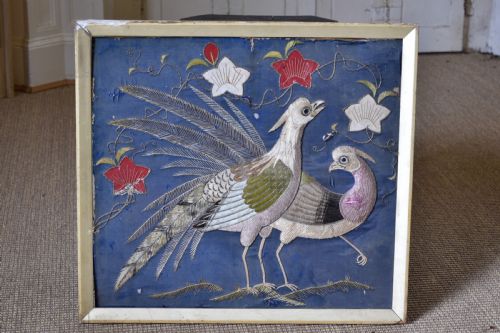
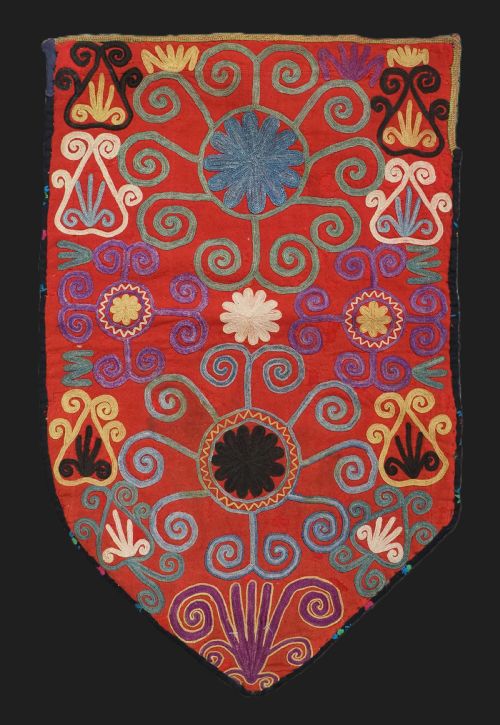
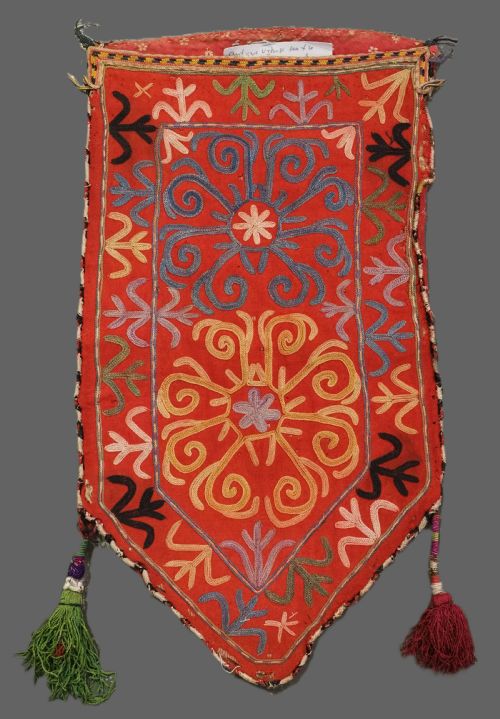
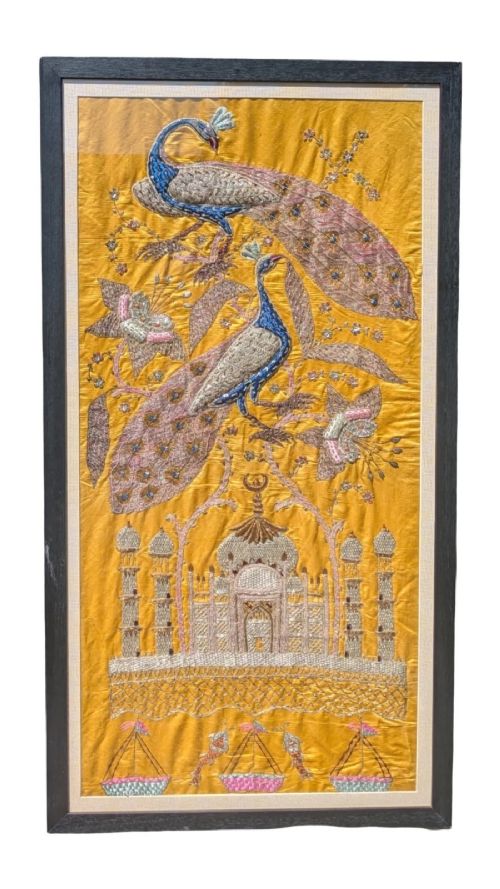
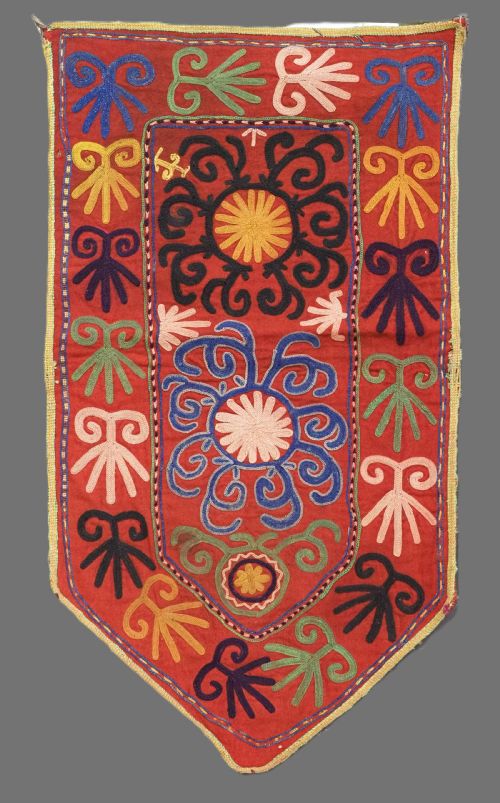
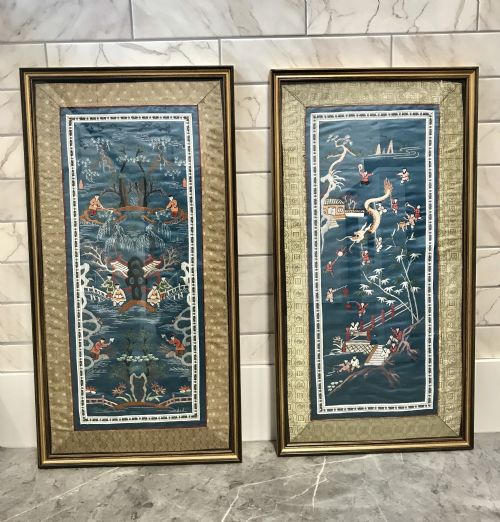
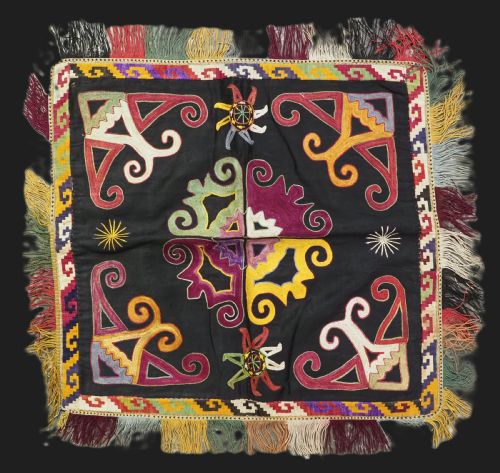
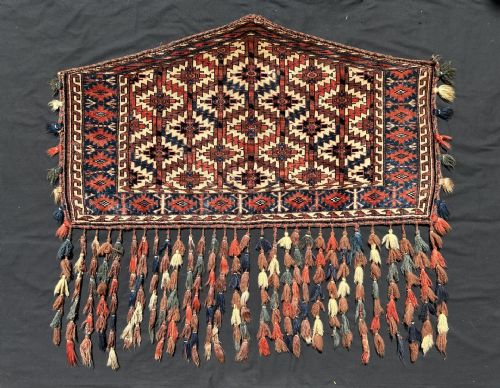
Buyers frequently encounter Central Asian tribal pieces, including Uzbek Lakai dowry embroideries, Turkmen asmalyks and large silk ikats from Bukhara. Chinese embroidered silk panels depicting dragons, figures and floral motifs also feature prominently alongside Balinese textile paintings.
Many of these objects served functional purposes within their original communities, acting as tent trappings, ceremonial horse covers, storage bags or garments before being repurposed as decorative wall hangings.
How they were made
Materials rely heavily on natural resources, utilising hand-spun wool, cotton, and silk combined with metallic thread and natural dyes to achieve rich colour palettes. Artisans employed complex techniques such as supplementary-weft patterning, resist-dyeing for ikats, and intricate hand embroidery.
Nomadic and sedentary makers applied different methods, from the felt applique of Kirghiz panels to the precise needlework of Suzani hangings and Chinese silk stitched under glass. Frame mounting and protective backing are often later additions to preserve fragile historic textiles.
Asian Textile Wall Art Retail Price Guide 2026
Typical asking prices for asian textile wall art among the pieces listed under this phrase on Sellingantiques today, from the lower quarter to the upper quarter. They describe what is for sale here now, not the wider market.
Many glowing dowry embroideries and camel trappings spent their early lives bouncing across the Central Asian steppes before ending up quietly framed on modern walls.
What varies in quality
Quality rests upon the fineness of the needlework, the complexity of the design layout, and the integrity of the natural dyes used across the textile. Pieces exhibiting tight, even stitches and well-balanced compositions generally represent higher levels of artisan skill.
Condition and completeness also distinguish examples, particularly given the functional origins of tribal trappings which often endured heavy use. Intact edges, minimal restoration, and the preservation of original metal threads or silk highlights elevate certain panels above heavily worn counterparts.
The Asian Textile Wall Art Glossary
- Suzani
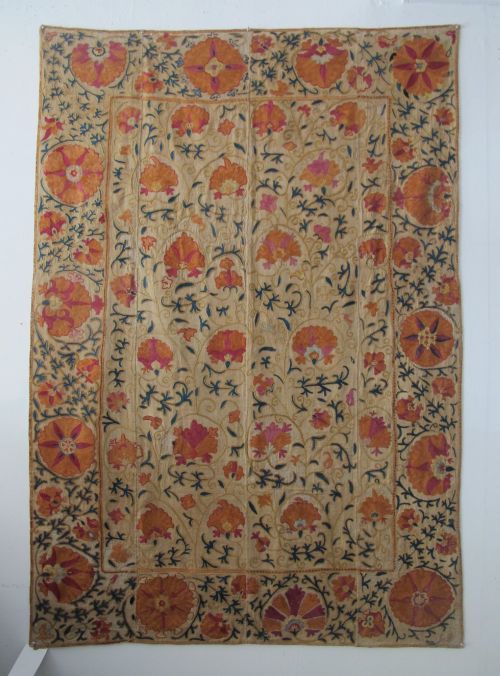
- An embroidered wall hanging or domestic textile from Uzbekistan, traditionally stitched in silk on a cotton or linen ground with bold floral and vine motifs.
- Ikat
- A dyeing technique where yarn is resist-dyed prior to weaving, producing characteristic blurred pattern edges found in panels and garments from Bukhara.
- Asmalyk
- A pentagonal or-shaped ceremonial trapping produced by Turkmen tribes, historically hung on the flanks of a bridal camel during wedding processions.
- Torba
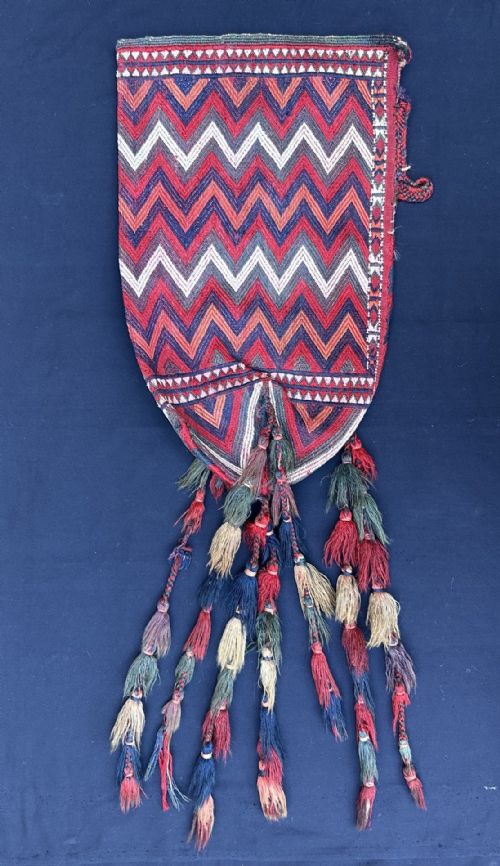
- A small utilitarian wall pocket or storage bag created by Turkmen weavers, featuring patterned face designs and flat-weave backs.
- Ilgich
- An embroidered hanging produced by the Lakai tribe of Uzbekistan, frequently made as part of traditional dowry preparations.
- Adras
- A traditional semi-silk fabric woven with a silk warp and a cotton weft, commonly utilised in Central Asian ikat panels and coats.
Asian Textile Wall Art: Frequently Asked Questions
How do I hang antique textiles safely?
Mounting historic fabrics requires weight distribution across the entire top edge rather than pinning at single points. Professional framing behind conservation glass protects delicate silk and metallic threads from dust and environmental damage.
Keep pieces away from direct sunlight to prevent natural dyes from fading over time. Breathable cotton backings help maintain the textile's structural stability while displayed on the wall.
What is a Suzani?
A Suzani is a large, hand-embroidered textile originating from Uzbekistan, traditionally made by brides and their families as part of a dowry. These pieces display vibrant floral patterns, vines and sunburst motifs stitched in bright silk thread.
Historically used as wall decorations, bed covers or wraps in Central Asian homes, they translate easily into striking focal points for contemporary interiors.
How can I tell the age of these textiles?
Dating relies on material analysis, dye characteristics, and stylistic markers consistent with nineteenth and early twentieth-century production methods. Natural dyes, hand-spun wools, and organic imperfections typically point toward older, traditional manufacture before synthetic alternatives became widespread.
Comparing structural construction and motifs against documented regional examples helps narrow down the period and specific tribal origin of each piece.