




Asian Style Cupboard
An asian style cupboard brings rich texture and storied craftsmanship into a room, offering both character and versatile storage.
Asian Style Cupboard
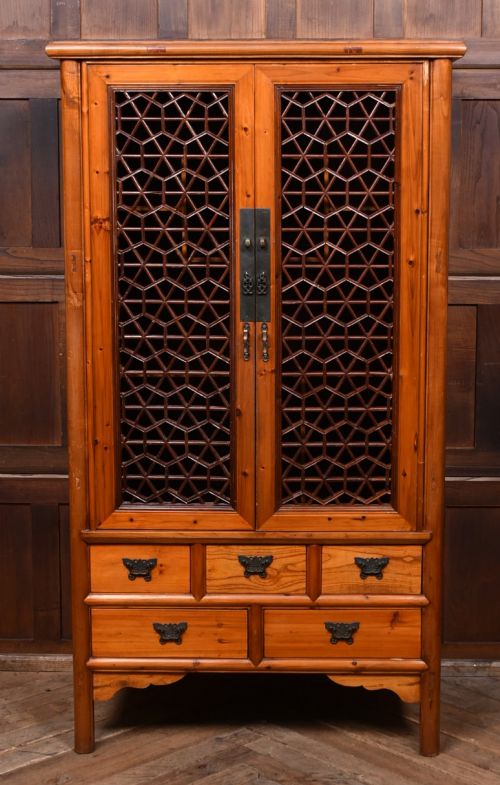
An asian style cupboard encompasses a diverse range of storage forms, from apothecary chests and side cabinets to grand marriage cupboards and compound cabinets originating across various eastern traditions. Buyers searching this phrase will find pieces spanning the nineteenth century through the early decades of the twentieth century, reflecting broad stylistic influences.
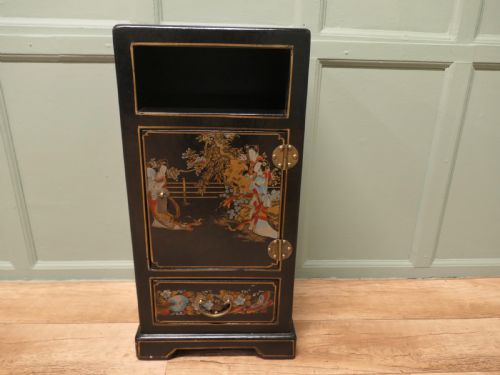
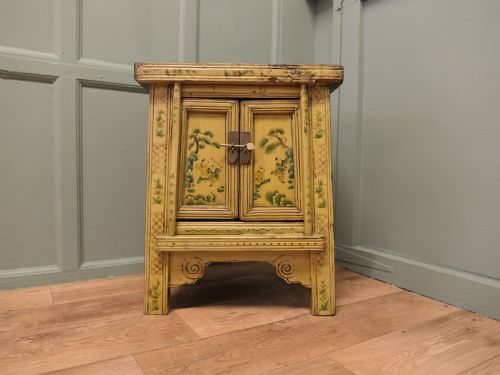
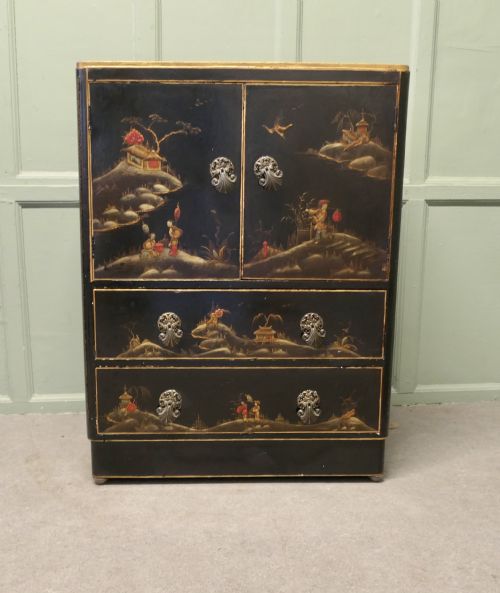
The selections most frequently encountered on this page feature distinctive surface treatments such as red, black, and cream lacquer work, alongside traditional provincial timber constructions. Cabinets on stands and low bedside lamp cabinets also appear regularly, offering practical proportions for contemporary interiors.
How they were made
Construction relies heavily on traditional hardwoods and painted or lacquered wood surfaces, often paired with contrasting metal hardware such as brass and iron hinges or drawer pulls. Artisans applied layers of lacquer to wooden frames to create smooth, durable finishes, sometimes building up cinnabar or detailed pictorial scenes.
Carving techniques added sculptural depth to panels and structural members, utilising dense timbers like zitan and teak. Many examples preserve original painted decorations, combining joinery methods suited to regional workshops across China, Japan, and Korea.
Asian Style Cupboard Retail Price Guide 2026
Typical asking prices for asian style cupboard among the pieces listed under this phrase on Sellingantiques today, from the lower quarter to the upper quarter. They describe what is for sale here now, not the wider market.
Several pieces arrive bearing lucky decorations designed to bring good fortune straight into the hallway.
What varies in quality
The distinction between standard examples and finer pieces lies in the execution of the surface decoration and the integrity of the timber. Finely rendered lacquer work, deep hand-carving, and the retention of original painted finishes elevate a piece significantly.
Hardware selection and joinery refinement further differentiate the inventory, with heavier hardwood frames and intricate brass or iron mounts demonstrating superior workshop standards.
The Asian Style Cupboard Glossary
- Chinoiserie
- European decorative style reflecting Chinese artistic influences, frequently seen on lacquered cabinets with painted figures and landscapes.
- Lacer
- A protective and decorative resin finish applied in multiple layers to wood, creating a smooth and durable surface.
- Zitan
- A dense, heavy hardwood prized in traditional cabinet making for its dark colour and fine grain.
- Cinnabar
- A red mineral pigment used in thick layers on carved lacquer furniture.
- Sijiangui
- A traditional style of Chinese compound cabinet, usually built in matching sections.
Asian Style Cupboard: Frequently Asked Questions
Where should I place an asian style cupboard?
These cabinets work well as focal points in living areas, hallways, or bedrooms where their distinct finishes can be fully appreciated.
Smaller bedside versions and low cabinets suit compact spaces, while larger compound or marriage cabinets demand more generous wall space.
How do I care for lacquered wood?
Keep lacquered surfaces away from direct sunlight and excessive heat sources to prevent cracking or fading over time.
Dust gently with a soft, dry cloth and avoid using chemical cleaning products that might damage the historic finish.
What periods do these cabinets come from?
The available pieces primarily date from the nineteenth century and the early decades of the twentieth century, spanning late Qing dynasty traditions and early modern interpretations.
Edwardian and Victorian era cross-over pieces also appear, reflecting western taste for eastern design during those periods.
How do I distinguish regional styles?
Regional variations show up in the choice of wood, hardware design, and structural proportions, such as Shanxi provincial forms or Korean painted chests.
Examining the underlying timber and the motifs used in carvings helps identify the specific aesthetic tradition.