



Asian Style Bedside Lamps
These asian style bedside lamps bring character and warmth to a room, drawing on centuries of craftsmanship from the East.
Asian Style Bedside Lamps
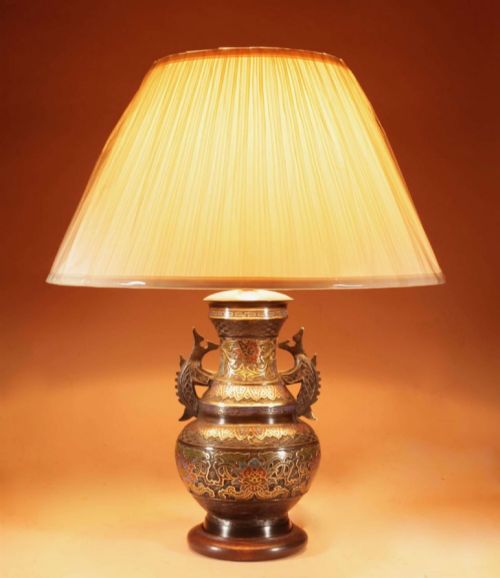
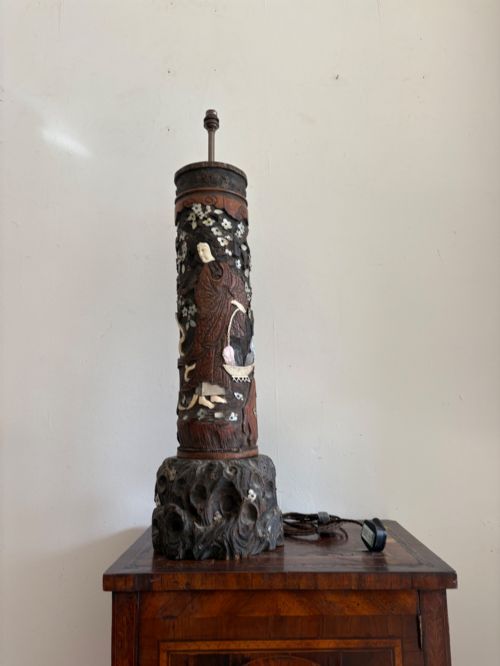
When you search for asian style bedside lamps, you encounter a curated mix of converted vases, brush pots, and cabinets originating from various periods. The selection ranges from nineteenth-century Japanese bronzes to early twentieth-century Chinese porcelain and lacquered wood items.
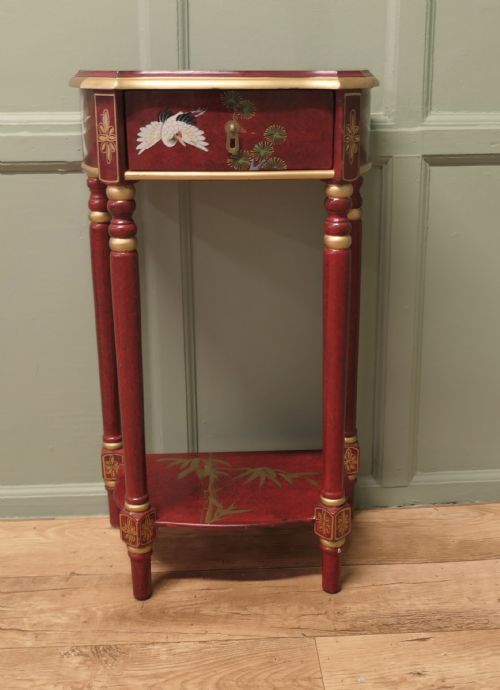
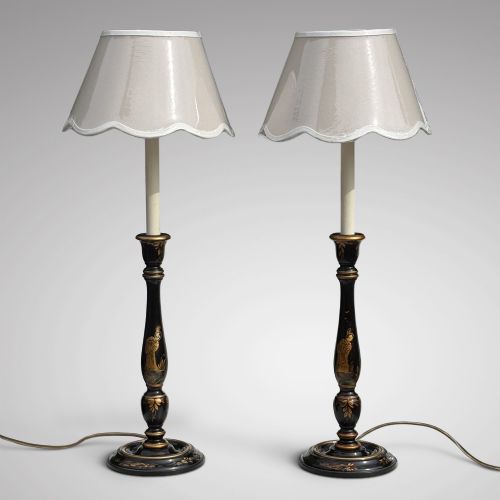
You are most likely to meet pairs of table lamps or small cabinets finished in specific decorative traditions such as Chinoiserie, Meiji, and Japonisme. These objects bridge the gap between historic utility and modern interior lighting.
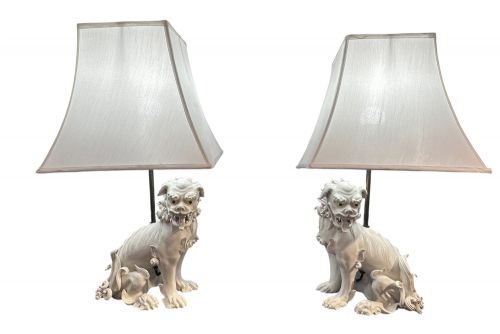
The forms encompass carved brush pots, Satsuma ware, and blue and white porcelain mounted as lamps, alongside oriental lacquered bedside cabinets. Each piece reflects distinct cultural aesthetics spanning the nineteenth and early twentieth centuries.
How they were made
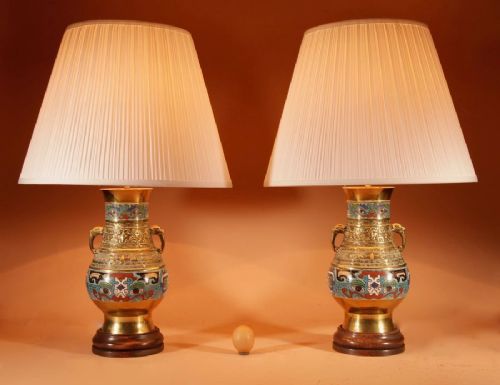
Makers utilised traditional methods involving cast bronze, champlevé enamel, and carved wood to shape the foundational bodies of these lamps and cabinets. Brass mounts and fabric components complete the structural assemblies seen across the inventory.
Surface decoration relies heavily on hand-applied techniques, including detailed lacquering, mother-of-pearl inlay, and polychrome enamel painting on porcelain surfaces like Famille Verte and Celadon. Artisans combined durable organic materials with fired ceramics to achieve lasting decorative finishes.
Listings feature items from the 19th Century, 1890, 1910, and 1920.
What varies in quality
The sophistication of the surface decoration and the crispness of the carving dictate the standing of an individual piece. Finer examples display meticulous hand-painted details on porcelain or deep, multi-layered lacquer work that retains its depth.
Material selection also plays a significant role, where solid cast bronze and intricate champlevé enamelling elevate an item above simpler wood or fabric constructions. The overall harmony between the original vessel and its electrical adaptation determines the success of the conversion.
The Asian Style Bedside Lamps Glossary
- Champlevé
- An enamelling technique where troughs are carved into a metal surface and filled with vitreous enamel before firing. This method creates bold, colourful patterns bounded by raised metal lines.
- Satsuma
- A type of Japanese earthenware traditionally characterised by a ivory-coloured, craquelure glaze decorated with delicate polychrome enamels and gilt. It gained significant popularity for export during the Meiji period.
- Meiji Period
- The era in Japanese history spanning from 1868 to 1912, marked by opening trade with the West and a surge in highly decorative export arts. Objects from this time often feature exceptional metallurgical and ceramic skill.
- Chinoiserie
- A European stylistic movement that reflects Chinese artistic influences, frequently seen in decorative schemes involving lacquered surfaces and landscape motifs. It represents a Western interpretation of Eastern aesthetics.
- Celadon
- A term for pottery denoting both wares glazed in a jade-green colour and the green glaze itself. The subtle, translucent tones mimic the appearance of jade.
Asian Style Bedside Lamps: Frequently Asked Questions
How do I care for a lacquered bedside lamp?
Dust the lacquered surfaces gently with a soft, dry cloth to prevent scratching the delicate finish. Avoid using chemical cleaners or placing the item in direct sunlight.
Keep the lamp away from excessive moisture and extreme temperature fluctuations to protect the integrity of the wood and lacquer.
Are these lamps converted from original antiques?
Many pieces utilise historic porcelain vases, brush pots, and bronzes that have been adapted for modern electrical use. This process preserves the artistic merit of the original vessel while providing functional lighting.
Conversion methods vary, so checking the wiring and mountings helps determine how the adaptation was executed.
What is the difference between Chinoiserie and Japanese Meiji pieces?
Chinoiserie is a European decorative style inspired by Chinese motifs, typically featuring lacquered woodwork and whimsical garden scenes. In contrast, Japanese Meiji items originate directly from Japan during the late nineteenth century and showcase distinct indigenous craftsmanship.
Understanding the provenance and stylistic markers helps differentiate between European interpretations and authentic Asian imports.
How do I identify a Meiji period bronze lamp?
Meiji period bronzes often feature complex cast details, patination, and champlevé enamel work characteristic of late nineteenth-century Japanese metalwork. Examining the weight, casting seams, and enamel clarity provides clues to its origin.
These pieces frequently display a high level of technical mastery achieved during the opening of Japanese export markets.