

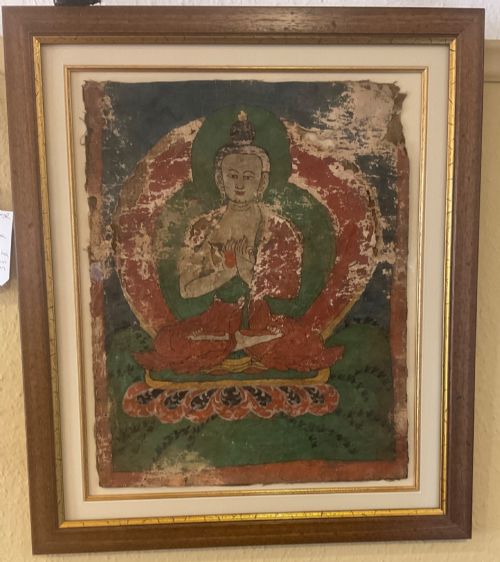


Asian Scroll Painting
These asian scroll painting pieces bring traditional brushwork and hanging compositions into your interior.
Asian Scroll Painting
An asian scroll painting brings historic artistry into domestic spaces, featuring subjects from religious figures to wildlife. You will most frequently encounter works executed on silk or paper from the nineteenth century.
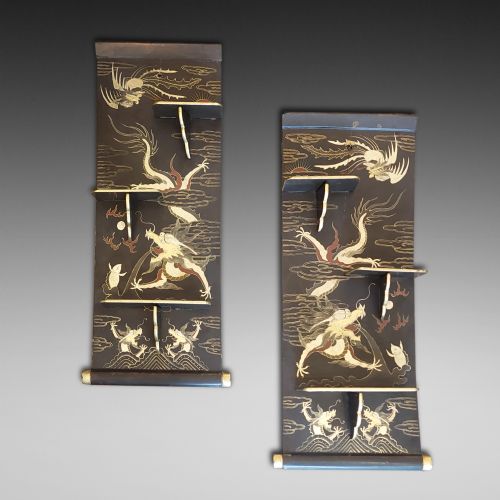
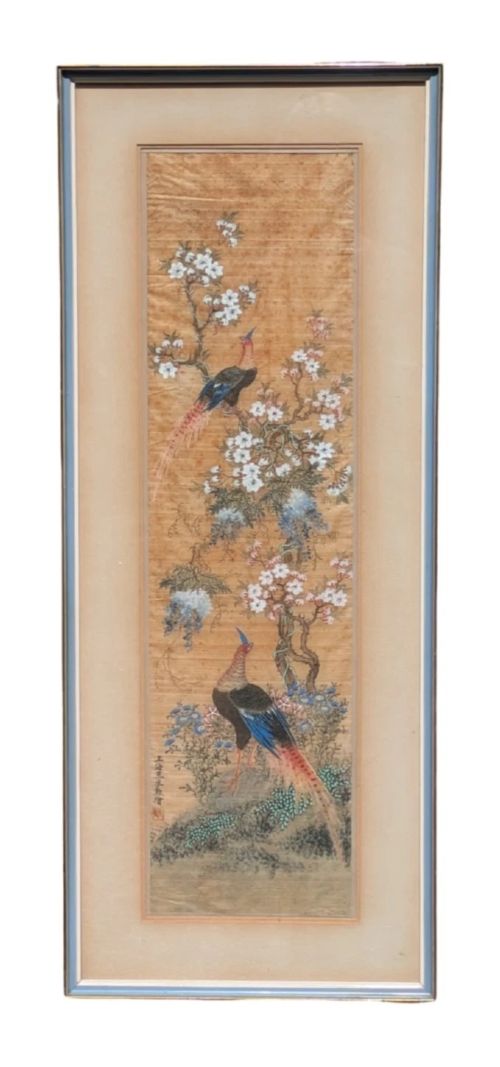
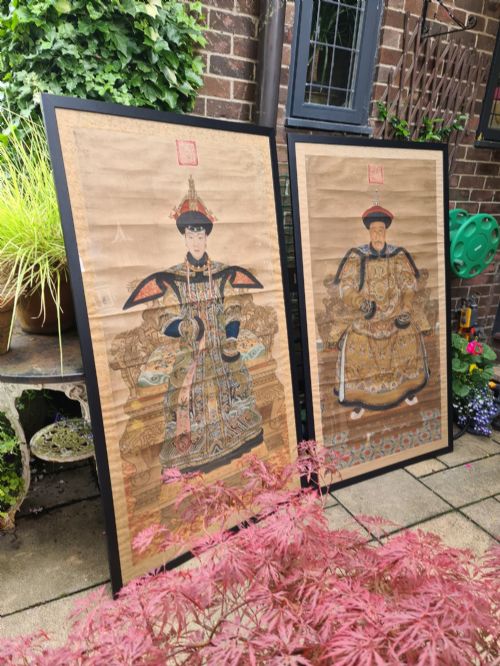
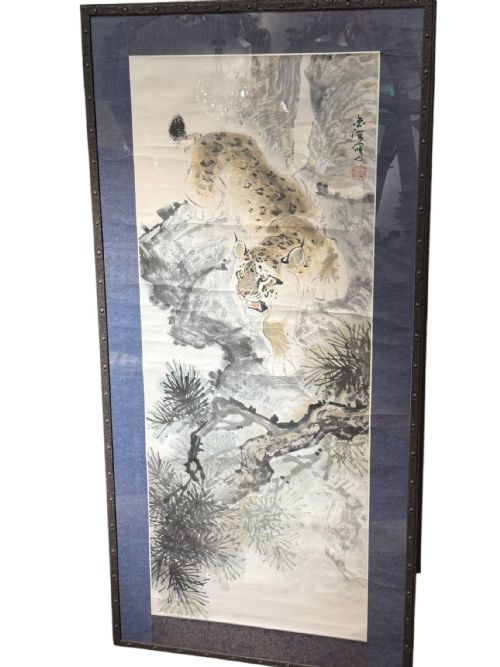
The selection includes framed artworks and ancestor portraits alongside distinct hanging formats. Pieces range from Qing Dynasty depictions to Himalayan thangkas and Japanese snow scenes.
Works attributed to periods such as the seventeenth century sit alongside early twentieth century watercolours and Edwardian interpretations. Each item preserves traditional motifs utilising ink and pigment on delicate grounds.
Materials and Construction
Artisans applied pigment and ink directly onto delicate supports of silk or paper to create these compositions. The resulting surfaces demand careful mounting to preserve the fine brushwork.
Framed examples often utilise wood surrounds or lacquered wood elements to protect the fragile painted textile or paper within. Glass panes frequently shield the older watercolours from environmental wear.
Asian Scroll Painting Retail Price Guide 2026
Typical asking prices for asian scroll painting among the pieces listed under this phrase on Sellingantiques today, from the lower quarter to the upper quarter. They describe what is for sale here now, not the wider market.
Current listings feature works spanning from the seventeenth century through to the Edwardian era, utilising silk, paper, ink, and lacquered wood.
Judging Quality and Execution
The sophistication of the brushwork separates standard decorative items from superior scholarly works. Finer examples display confident line control and nuanced pigment blending across silk grounds.
Preservation of the original material fabric dictates the standing of a piece within its period. Intact pigments and original framing components elevate the overall execution of the artwork.
The Asian Scroll Painting Glossary
- Scroll painting
- A flexible hanging artwork created on silk or paper, designed for vertical wall display. This format represents a cornerstone of East Asian pictorial art.
- Thangka
- A Tibetan Buddhist painting on cotton or silk depicting a deity or mandala. These sacred works often feature rich mineral pigments.
- Ancestore painting
- A formal portrait commissioned to honour family lineage and venerate forebears. These works typically present seated figures in traditional costume.
- Qing Dynasty
- The final imperial dynasty of China, spanning from sixteen forty-four to nineteen twelve. Works from this era often show high technical refinement.
Asian Scroll Painting: Frequently Asked Questions
How do I hang a scroll painting safely?
These works require stable wall locations away from direct sunlight and excessive humidity. Proper framing with glass helps protect the delicate silk or paper from atmospheric moisture.
Ensure the hanging fixings match the weight of the wood frame and backing. Regular inspection of the cords prevents accidental drops.
What subjects appear in these works?
Common subjects include Daoist immortals, Buddhas, and ancestral portraits reflecting traditional spiritual beliefs. Natural motifs such as snow leopards, phoenixes, and seasonal landscapes also feature prominently.
Each theme carries specific cultural symbolism rooted in the period of its creation. Understanding the iconography deepens appreciation of the composition.
How do I distinguish silk from paper supports?
Silk supports display a visible woven textile grid beneath the pigment layer. Paper offers a smoother, more uniform surface texture.
Both materials require careful handling to avoid tears or creasing. Magnification often helps reveal the underlying weave structure.
What eras are represented in these paintings?
The selection spans from seventeenth-century religious works to nineteenth-century ancestral portraits. Early twentieth-century pieces and Edwardian examples also appear in the listings.
Stylistic shifts reflect changing tastes across the Qing Dynasty and Japanese periods. Comparing brush techniques helps identify temporal origins.