






Asian Export Table
An asian export table brings centuries of intricate craftsmanship into a room, offering both practical surface space and rich historical character.
Asian Export Table
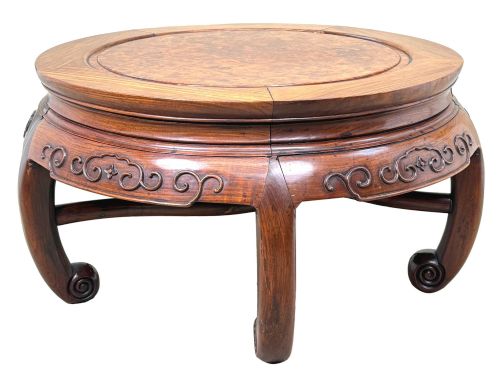
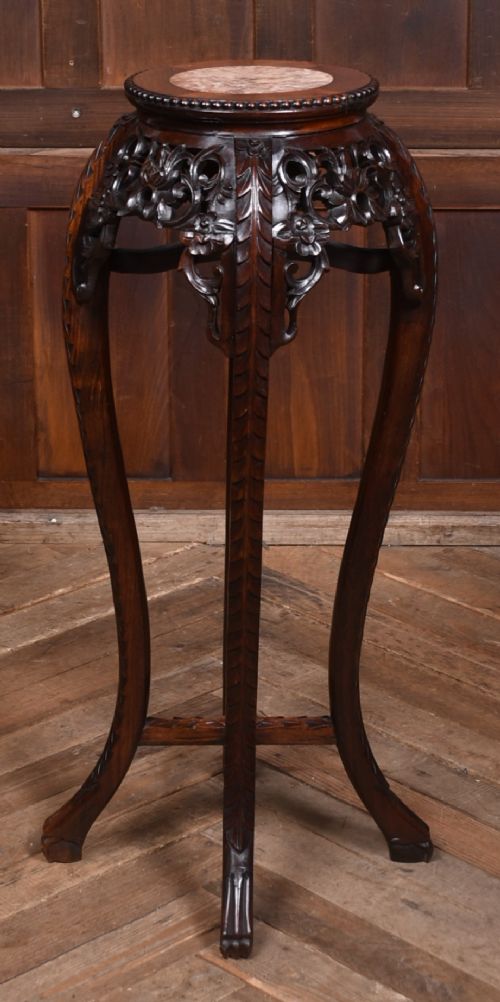
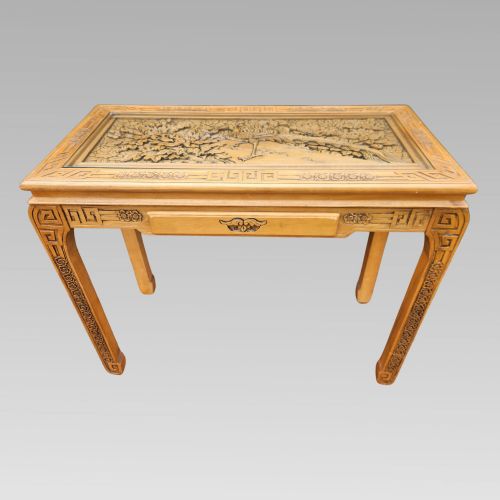
When searching for an asian export table, buyers encounter a diverse range of forms designed for Western markets during the nineteenth and early twentieth centuries. The selection on this page frequently includes nests of tables, occasional tables, coffee tables, and plant stands produced across Chinese and Japanese workshops. These pieces bridge traditional Eastern joinery techniques with the domestic requirements of Victorian and Edwardian interiors.
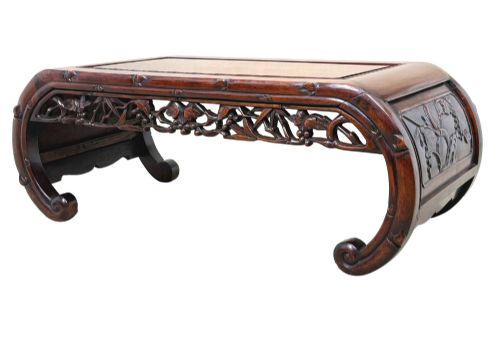
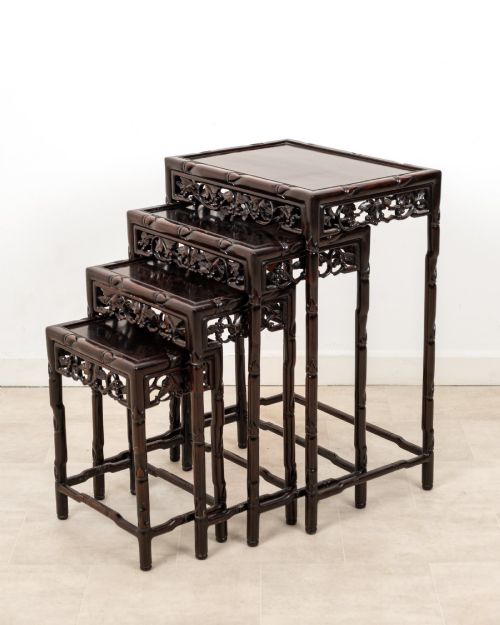
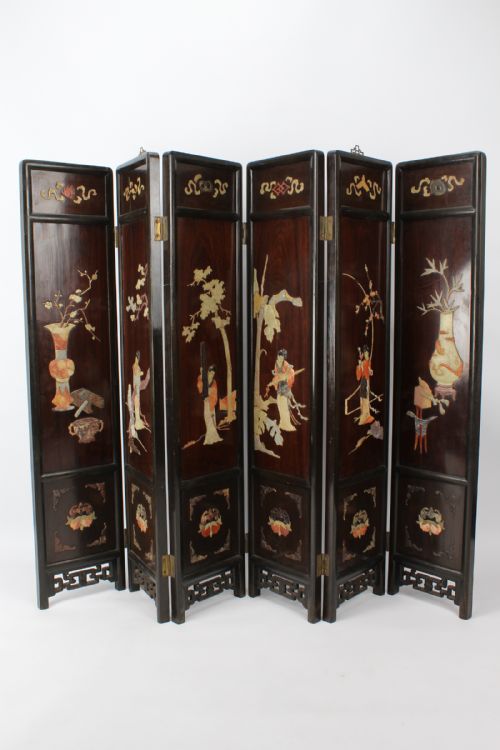
The materials span dense oriental hardwoods like hongmu and padouk, alongside decorative surfaces finished in lacquer or inlaid with mother-of-pearl. Forms vary from low opium coffee tables to multi-tiered nesting tables that slide neatly beneath one another when space is tight. Stylistic influences draw heavily from Qing Dynasty motifs and Chinoiserie interpretations, creating distinct visual focal points for modern rooms.
Materials and Construction
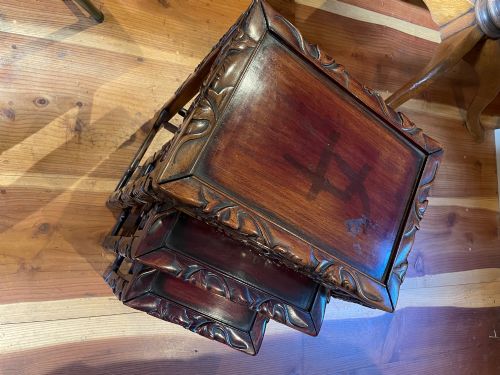
Construction relies heavily on traditional hardwood framing, utilising dense timbers such as rosewood and teak that take deep, hand-carved relief work without splitting. Artisans employed sophisticated joinery to build nests of tables and plant stands capable of withstanding daily use without metal fasteners. Surfaces often incorporate contrasting inlays of mother-of-pearl, brass mounts, or multi-layered red lacquer finishes applied over carved wood bases.
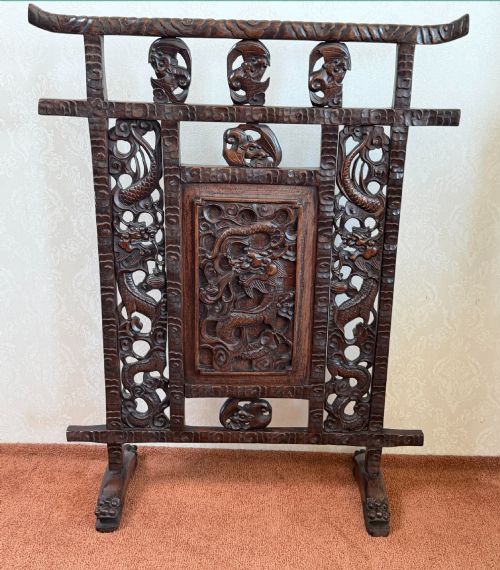
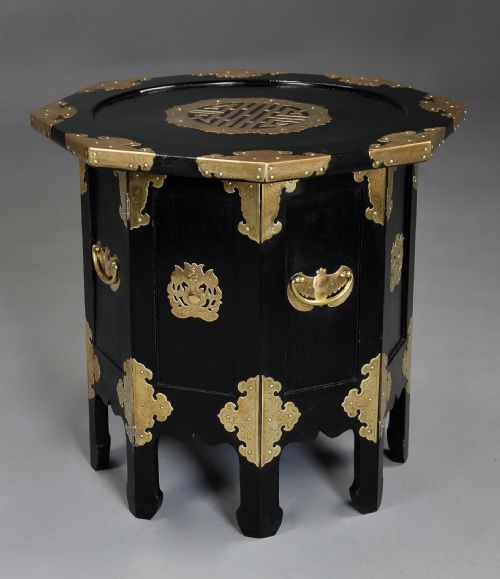
Detailing on these pieces ranges from piercing dragon motifs to smooth marble inserts set into table tops for heat resistance. Ebonised finishes and brass wire detailing also appear on specific occasional tables, reflecting the eclectic tastes of the period. Each method serves the dual purpose of structural integrity and elaborate surface ornamentation.
Asian Export Table Retail Price Guide 2026
Typical asking prices for asian export table among the pieces listed under this phrase on Sellingantiques today, from the lower quarter to the upper quarter. They describe what is for sale here now, not the wider market.
Several tables feature carved dragons that appear to guard the tea tray with fierce expressions.
Assessing Quality and Execution
Quality in an asian export table rests primarily on the depth and crispness of the hand-carved decoration. Superior examples display sharply defined motifs, such as dragons or foliage, where every scale and leaf retains distinct edges rather than appearing soft or rounded from hasty sanding. The weight and selection of the underlying hardwood also dictate overall excellence, with denser timbers providing greater stability and a finer grain.
Another measure of distinction lies in the precision of the joinery and the intact preservation of delicate inlays. Nesting tables of higher merit fit together smoothly with minimal clearance, while inferior pieces suffer from warped frames or missing mother-of-pearl tesserae. The uniformity of lacquer applications and the secure seating of marble inserts further separate standard production items from master-carved pieces.
The Asian Export Table Glossary
- Hongmu
- A dense, dark tropical hardwood traditionally utilised in fine Chinese furniture construction. It provides a heavy, durable frame that takes intricate hand-carving exceptionally well.
- Chinoiserie
- A European stylistic movement reflecting Chinese artistic influences in furniture and decorative arts. It often appears in lacquered finishes and stylised landscape motifs.
- Padouk
- A heavy, durable timber prized for its rich reddish-brown colour and stability. It forms sturdy structures for occasional tables and plant stands.
- Cloisonné
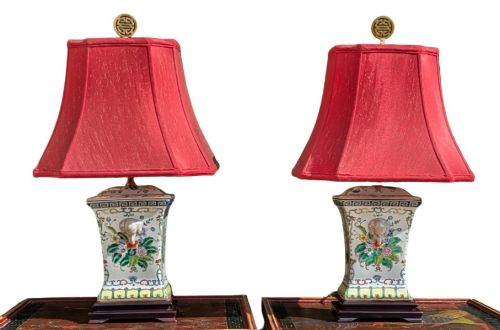
- An enamelwork technique where metal wire creates raised barriers filled with coloured paste before firing. It frequently adorns decorative lamps and vessels associated with these tables.
- Mother-of-pearl
- An iridescent inner shell layer cut into thin geometric or floral shapes for inlay work. Artisans set these pieces flush into dark hardwood surfaces to create luminous contrast.
Asian Export Table: Frequently Asked Questions
How do I use an occasional table?
Occasional tables function as versatile surface spaces in living areas, bedrooms, or hallways. Their compact proportions make them suitable for holding lamps, books, or decorative objects without dominating a room.
Nesting tables offer the added advantage of expansion when guests visit, sliding back into a single footprint afterward. Placing them beside seating areas provides accessible surfaces for everyday items.
How do I care for hardwood furniture?
Maintaining oriental hardwood requires keeping pieces away from direct heat sources and drastic humidity changes. Excessive dryness can cause timber to split, while moisture damages traditional lacquer finishes.
Dusting regularly with a soft, dry cloth preserves the polished surface without building up residue. Avoid commercial chemical polishes that may degrade historical wax or oil treatments.
How do I date an antique table?
Dating relies on examining construction methods, wood types, and stylistic indicators such as Qing Dynasty influence or Victorian proportions. Tool marks left by hand-carving and traditional joinery point toward nineteenth-century production.
Wear patterns on feet and table tops also offer clues to age and usage history. Comparing specific decorative motifs with documented period pieces helps narrow down the decade of manufacture.