



Asian Export Box
An asian export box brings intricate craftsmanship and global trade history straight to your room, offering both decorative presence and practical storage.
Asian Export Box
An asian export box represents centuries of cross-cultural trade, taking forms from small snuff boxes and tea caddies to large trunks and table cabinets. These pieces combine traditional eastern craftsmanship with the specific decorative demands of western markets during the eighteenth, nineteenth, and early twentieth centuries.
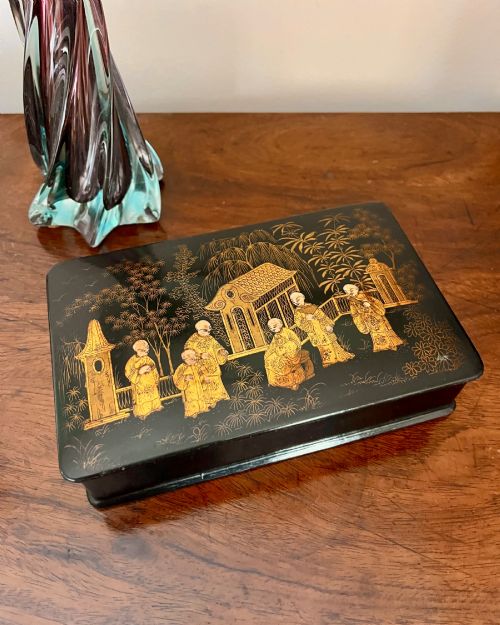
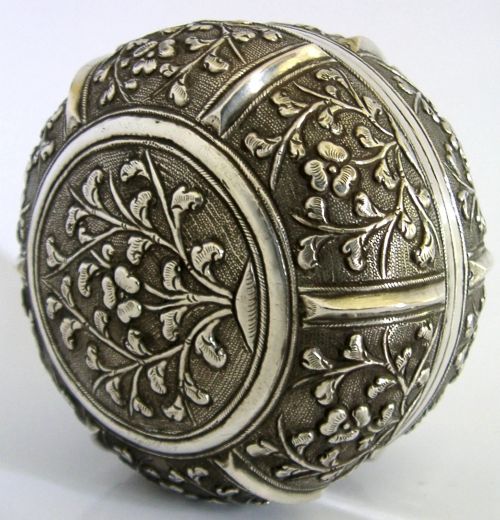
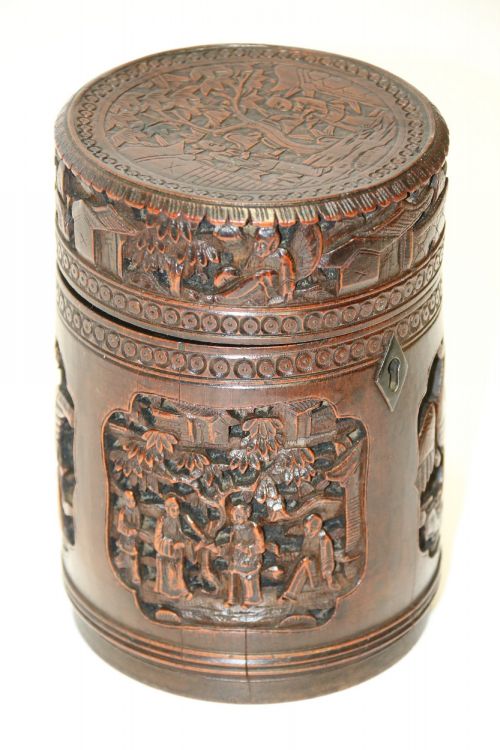
The most common examples on this page are lacquered wooden boxes and chests from the nineteenth and early twentieth centuries, often featuring chinoiserie motifs or carved details. Buyers also encounter solid silver and silver-plated containers alongside specialised items like bamboo tea caddies and camphor wood luggage chests.
Materials and construction methods
The construction of these pieces relies on traditional timber frames, utilising resilient woods like camphor and general timber finished with multiple layers of lacquer or gold leaf. Skilled artisans applied black and coloured lacquer to wood or pig skin surfaces, building up deep lustres that endure for generations.
Metal components such as brass, solid silver, and silver plate provide structural reinforcement and decorative hinges, locks, or corner mounts. Carved elements demonstrate meticulous handwork, particularly in detailed bamboo tea caddies and deeply incised wooden or ivory-substitute surfaces.
Asian Export Box Retail Price Guide 2026
Typical asking prices for asian export box among the pieces listed under this phrase on Sellingantiques today, from the lower quarter to the upper quarter. They describe what is for sale here now, not the wider market.
Listings feature items spanning the eighteenth century through to the 1930s, utilising lacquer, camphor wood, silver, and bamboo.
Distinguishing quality across the range
Quality in an asian export box lies in the depth and preservation of the lacquer work, the crispness of the hand carving, and the integrity of the underlying wood. Superior pieces exhibit seamless joints, stable pig skin or timber foundations, and finely rendered chinoiserie scenes that retain their original metallic leaf and pigment intensity.
The refinement of metal mounts, working original locks, and properly fitted internal compartments also separate standard storage containers from exceptional decorative works. Finer examples maintain crisp detail in silver or brass elements without excessive wear to the underlying material.
The Asian Export Box Glossary
- Chinoiserie
- European artistic interpretations of Chinese and East Asian artistic traditions, widely applied to furniture and decorative boxes.
- Lacquer
- A durable resin finish applied in successive thin coats to wood or leather surfaces, creating a smooth and protective gloss.
- Tea caddy
- A small container specifically designed to store dry tea leaves securely, often featuring internal compartments or lids.
- Pig skin
- Animal hide treated and stretched over wooden trunks or chests, providing a tough exterior surface for travel and shipping.
Asian Export Box: Frequently Asked Questions
What is an asian export box?
These items are decorative and functional containers made in Asia for international markets, spanning small personal accessories to large travel trunks.
They reflect the artistic styles of periods like the Qing dynasty and subsequent twentieth-century workshops.
How were these boxes used?
Historically, smaller versions served for personal valuables, tea, or snuff, while large chests accommodated clothing and luggage during maritime trade.
Today, they function primarily as decorative storage pieces on tables, desks, or shelves.
How do I clean lacquered wood?
Dust surfaces gently with a soft, dry microfibre cloth to prevent scratching the delicate finish.
Avoid chemical cleaners, moisture, and direct sunlight, which can degrade old lacquer and gold leaf over time.
How can I tell the period?
Dating relies on material construction, hinge styles, lock mechanisms, and the specific characteristics of the lacquer or carving techniques.
Eighteenth-century examples often show distinct enamel or lacquer formulas compared to nineteenth-century and 1930s camphor chests.