






Asian Display Stand
When you look for an asian display stand, you seek a purposeful pedestal or cabinet built to elevate porcelain, plants, and art.
Asian Display Stand
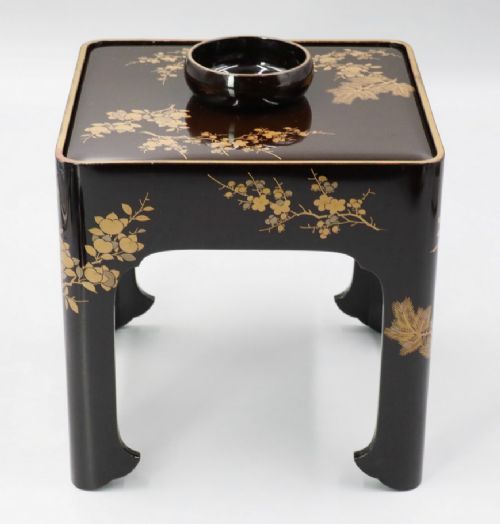
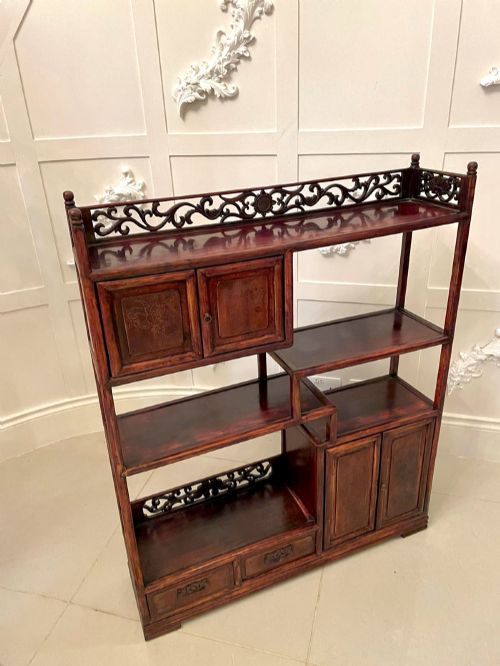
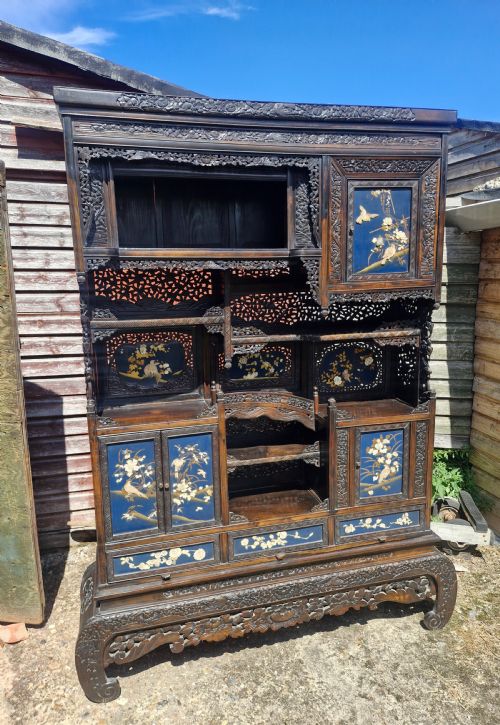
An asian display stand encompasses dedicated plant stands, vase tables, pedestal tables, and intricate shodana cabinets designed to showcase decorative objects. These forms emerge primarily from nineteenth century and early twentieth century production, bridging traditional Chinese and Japanese craftsmanship.
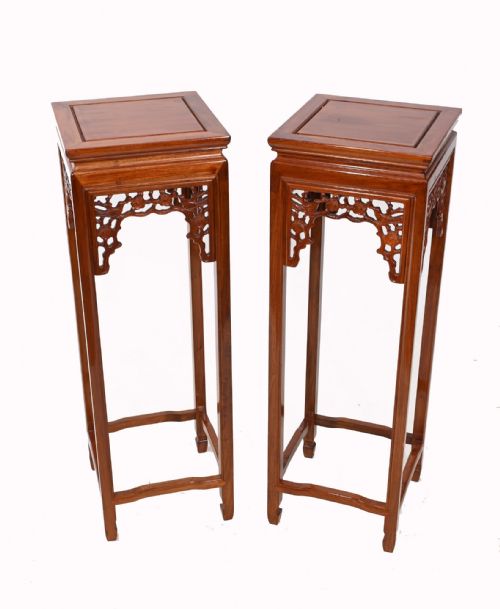
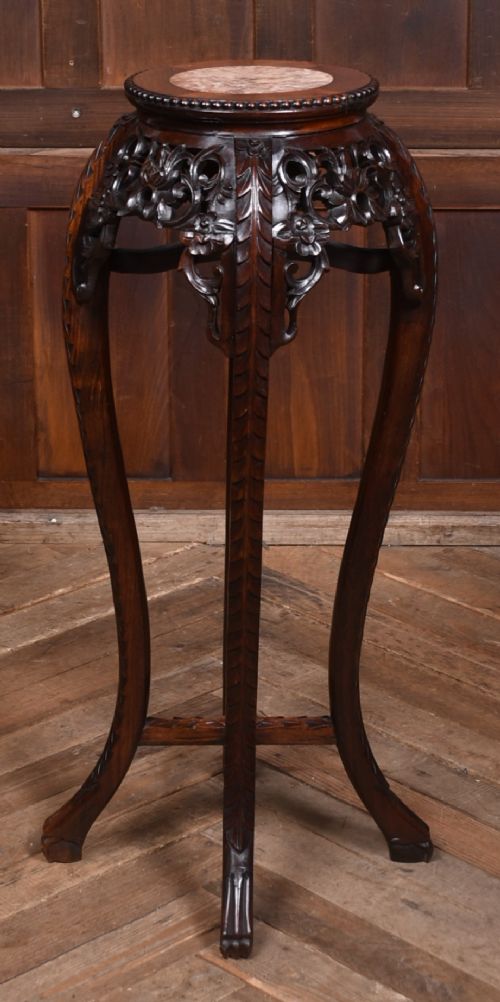
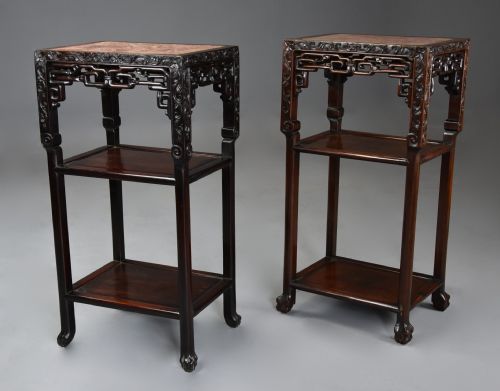
The version most commonly encountered on this page is the hardwood plant or vase stand featuring an inset marble top. These pieces range from modest occasional tables to substantial tiered pedestals and multi-shelved cabinets.
Origins span Qing Dynasty China and the Meiji period in Japan, reflecting diverse regional aesthetics from carved hongmu woods to ebonised elm and lacquered finishes.
How they were made
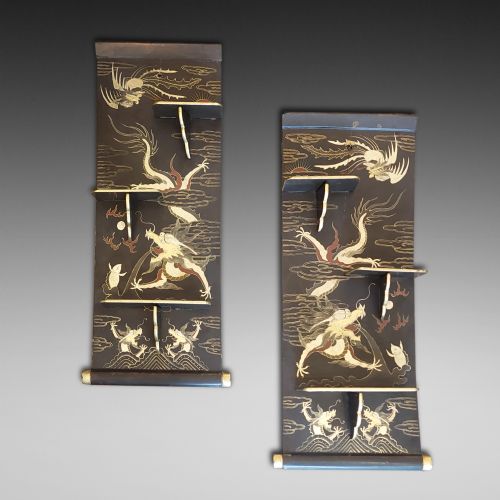
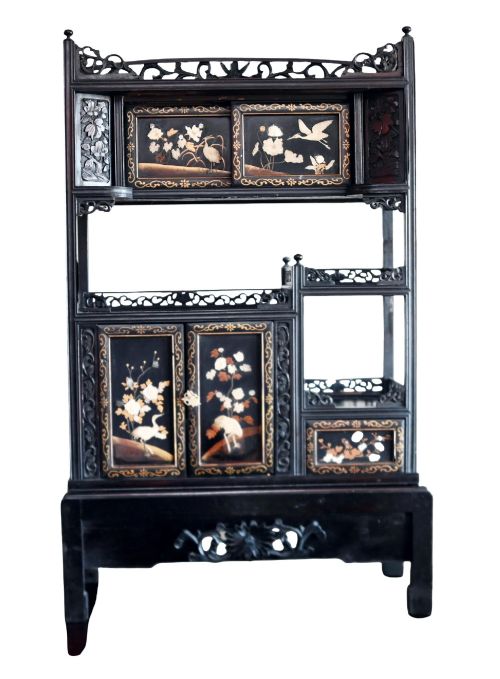
Craftsmen utilised dense hardwoods such as hongmu and rosewood, alongside ebonised woods, shaped through traditional joinery without relying on modern hardware. Surfaces frequently integrate contrasting materials, setting cool marble panels, polished mother-of-pearl inlay, or painted lacquer directly into the wooden frame.
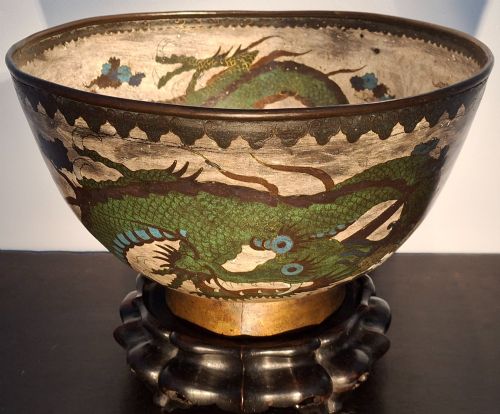
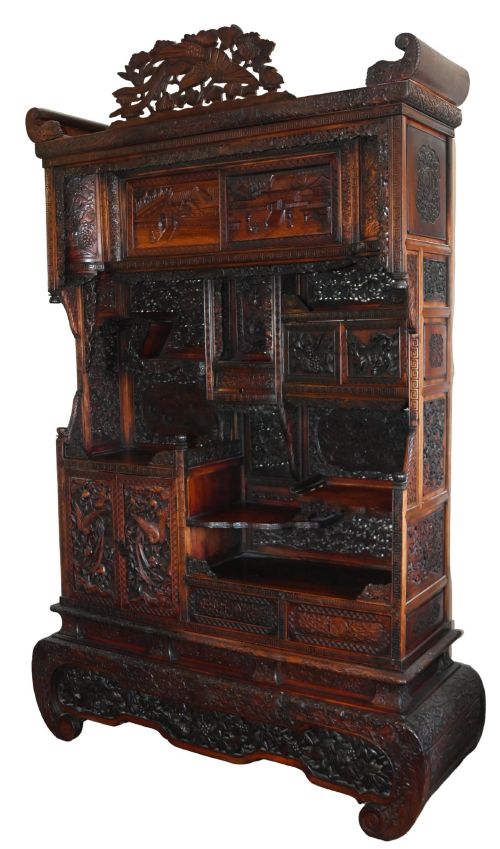
Carving techniques deliver deep relief work depicting floral motifs, dragons, and continuous landscapes. Supplementary elements incorporate brass fittings, cloisonne enamel panels, and inset porcelain plaques to accent the structural woodwork.
Asian Display Stand Retail Price Guide 2026
Typical asking prices for asian display stand among the pieces listed under this phrase on Sellingantiques today, from the lower quarter to the upper quarter. They describe what is for sale here now, not the wider market.
Listings feature items spanning the nineteenth century through the early twentieth century, incorporating marble, hardwood, lacquer, and brass.
What varies in quality
The upper tier of the range is defined by the weight and selection of the timber, where dense hardwoods and heavy hongmu display crisp, undiminished carving depth. Lesser examples utilise lighter, secondary timbers disguised with dark finishes.
Integration of inset elements creates further distinction. Premium stands feature perfectly fitted marble slabs and securely anchored mother-of-pearl inlay flush with the surrounding wood, whereas inferior pieces reveal loose joints and poorly seated decorative panels.
The Asian Display Stand Glossary
- Shodana
- A Japanese tabletop display cabinet featuring staggered shelves, sliding doors, and small compartments. These cabinets served to display scholarly objects and small treasures.
- Hongmu
- A dense, heavy Chinese hardwood often translated as red wood. It provides a stable dark surface that accommodates intricate carving.
- Cloisonne
- An enamel technique where metal wire creates raised barriers on a base to form cells filled with coloured paste and fired. This method decorates bowls, chargers, and vases.
- Imari
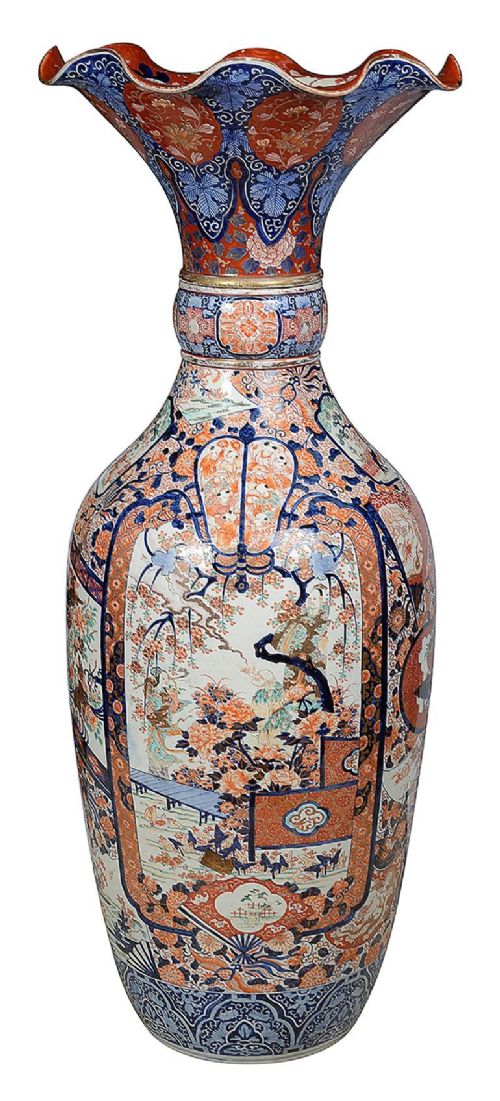
- A style of Japanese export porcelain characterised by underglaze blue and overglaze iron red, gold, and green. Plates and floor vases utilise this palette.
- Chinoiserie
- European decorative style reflecting Chinese artistic motifs and forms. It appears on lacquered cabinets and occasional tables.
Asian Display Stand: Frequently Asked Questions
What is an asian display stand used for?
These stands were traditionally built to elevate prized possessions such as porcelain vases, bronze vessels, jade carvings, and decorative plants. Raising the object above the floor or table surface granted it proper visual prominence.
Today, they function similarly in modern interiors as accent furniture for holding lamps, small sculptures, or botanical displays.
How do I tell Chinese stands from Japanese stands?
Chinese stands often emphasise heavy tropical hardwoods, inset marble tops, and deeply carved floral or dragon motifs associated with Qing dynasty aesthetics. Japanese pieces, particularly from the Meiji period, frequently incorporate lacquer, ebonised elm, or delicate shodana configurations with asymmetrical shelving.
Examining the construction methods, secondary woods, and decorative motifs usually clarifies the regional origin.
Are marble top stands durable?
The marble inserts provide a resilient, cool surface specifically designed to support heavy ceramic vases and damp plant pots without marking the wood beneath. The stone is heavy and stable within its wooden frame.
Care should be taken to lift rather than drag heavy items across the marble surface to avoid scratching.
How do I live with an antique plant stand?
These stands integrate easily into contemporary rooms as side tables, pedestal mounts for sculpture, or bedside tables. Their compact footprints allow them to occupy awkward corners or narrow hallways effectively.
Keep them away from direct heat sources and sudden humidity changes to protect the historic wood and prevent warping.