




Asian Converted Vase Lamp
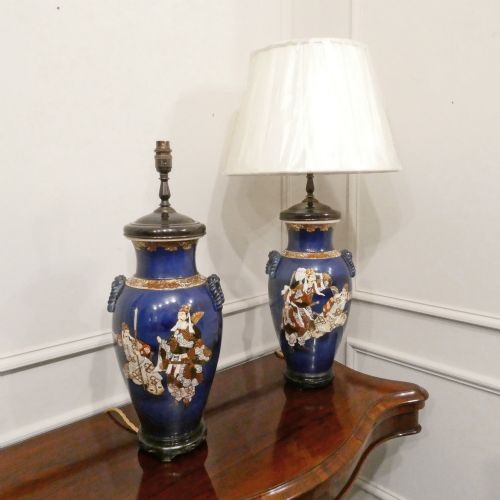
These asian converted vase lamp pieces combine centuries of oriental craftsmanship with domestic lighting, offering a striking focal point for any interior.
Asian Converted Vase Lamp
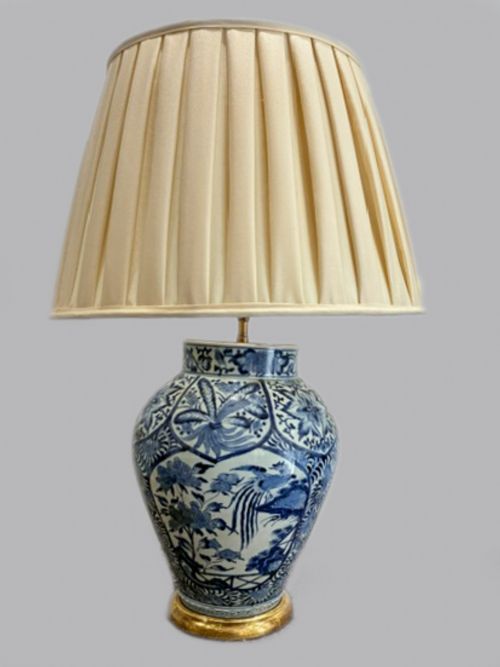
An asian converted vase lamp repurposes historic vessels from China and Japan into functional table illumination. You will frequently encounter nineteenth century examples alongside pieces bearing earlier stylistic influences.
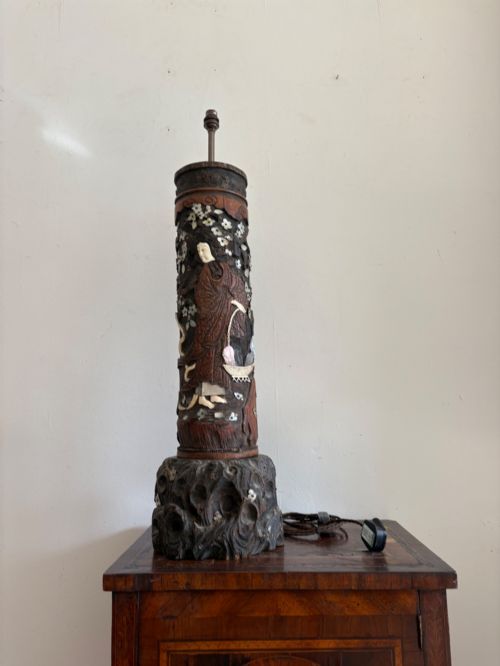
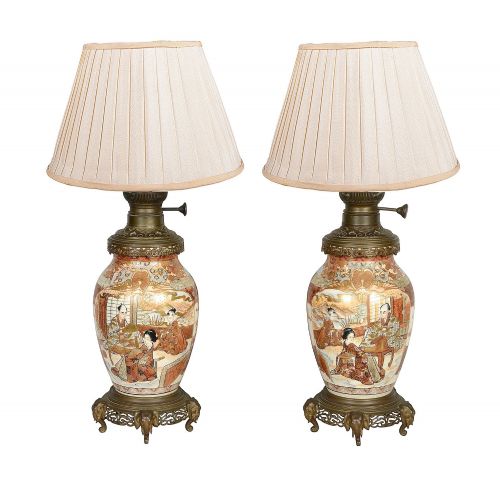
The forms originate from diverse traditional wares including brush pots, spill vases, and baluster vessels. Many survive as matched pairs, though single sculptural table lamps appear regularly across the selection.
Origins span distinct historical eras such as the Meiji period, Edo period, and Qing dynasty. These pieces bridge traditional eastern decorative arts with nineteenth and early twentieth century interior fittings.
Materials and Construction
Constructed from porcelain, bronze, and cloisonne enamel, these bodies utilise traditional firing and metalworking techniques. Surface decoration often incorporates intricate enamel work, carved mother of pearl, or hand-painted cobalt and polychrome glazes.
Mounting hardware typically employs brass and carved wood components to secure the electrical fittings atop the historic ceramic or metal vessel. Silk and fabric shades frequently complete the conversion, balancing the weight of the heavy base.
Asian Converted Vase Lamp Retail Price Guide 2026
Typical asking prices for asian converted vase lamp among the pieces listed under this phrase on Sellingantiques today, from the lower quarter to the upper quarter. They describe what is for sale here now, not the wider market.
Styles represented include Japanese Meiji, Edo period, Qing dynasty, and Chinese export wares adapted into functional table lamps.
Judging Quality and Execution
Quality rests upon the preservation of the original vase and the sensitivity of the conversion process. Finer examples retain crisp glaze details, well-defined cloisonne wirework, or precise bronze casting without obscuring the historic vessel's integrity.
The harmony between the mountings and the ceramic or bronze body dictates the overall success of the piece. Superior specimens integrate the electrical hardware cleanly, respecting the proportions and decorative scheme of the antique source.
The Asian Converted Vase Lamp Glossary
- Cloisonne Enamel
- A metalwork technique where thin wires form compartments filled with enamel paste before firing. This method creates intricate coloured patterns across bronze or copper vessel bodies.
- Meiji Period
- A Japanese historical era spanning from eighteen sixty-eight to nineteen twelve. Pieces from this time frequently demonstrate exceptional decorative detail and technical mastery.
- Imari
- A style of Japanese porcelain featuring a distinctive palette of underglaze blue, iron red, and gilt. These wares were widely exported to Europe from the seventeenth century onward.
- Baluster Vase
- A tall vessel form characterised by a rounded body, a narrower neck, and a flared rim. This shape provides a stable and visually balanced foundation for table lamp conversions.
Asian Converted Vase Lamp: Frequently Asked Questions
How are these lamps wired?
The conversion process typically involves running a cord through a drilled base or securing wiring through custom brass fittings at the top. This allows historic vessels to function safely as modern table lamps without destroying the original body.
Professional conversion respects the structural integrity of the ceramic or bronze. The hardware is chosen to complement the period aesthetic while meeting contemporary electrical standards.
Can I find matching pairs?
Matched pairs appear frequently among nineteenth century pieces, particularly with Kutani, Imari, and cloisonne examples. These were often adapted together for lighting symmetry on sideboards or mantelpieces.
Pairs offer a balanced look for interior placement. Collectors prize matched sets for their decorative presence in large rooms.
What periods do these vases date from?
The selection spans from the late seventeenth century through the nineteenth century and into the nineteen twenties. Japanese Meiji and Edo periods are strongly represented alongside Chinese Qing dynasty production.
Date attribution relies upon stylistic markers, glaze characteristics, and manufacturing techniques. Earlier pieces reflect distinct export traditions destined for western markets.
Where should I place a vase lamp?
These tall table lamps suit living rooms, hallways, and studies where they serve as sculptural lighting focal points. Their rich colours and textured surfaces complement traditional and eclectic interiors alike.
Placement should account for the height and weight of the ceramic or bronze body. Ensure the surface provides stable support for both the heavy base and the fabric shade.