






Asian Ceramic Jar
An Asian ceramic jar brings centuries of kilncraft and painted glaze into a room, holding the weight of Chinese and Japanese dynasties.
Asian Ceramic Jar
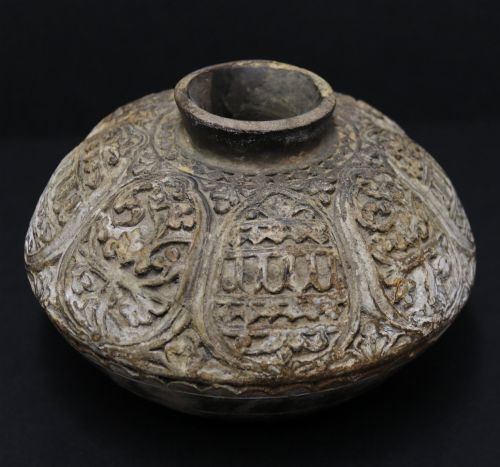
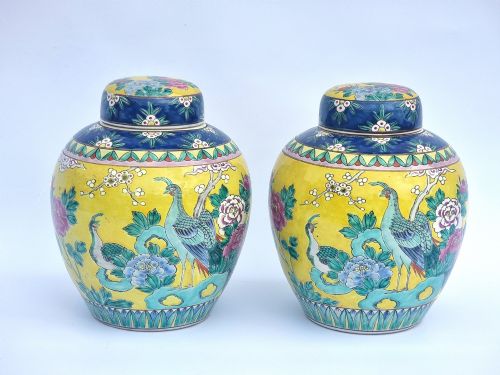
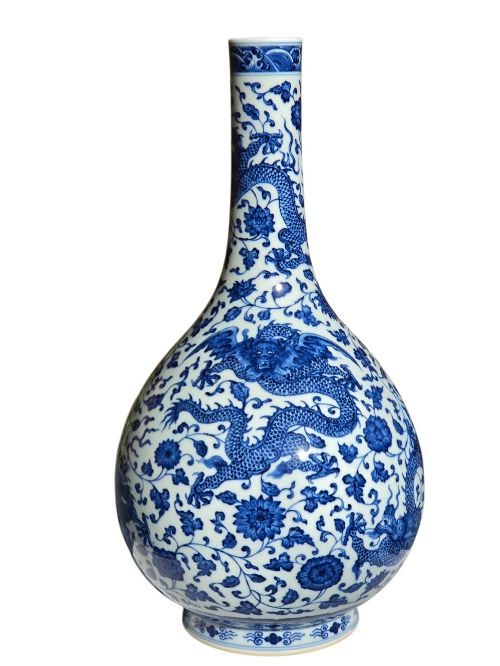
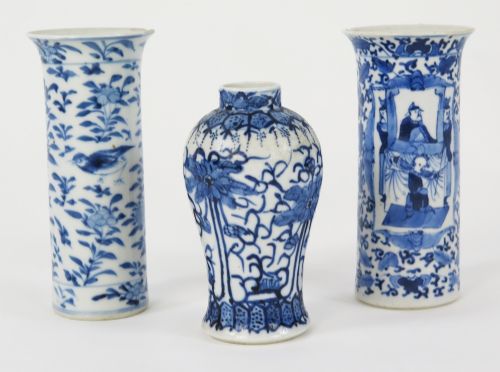
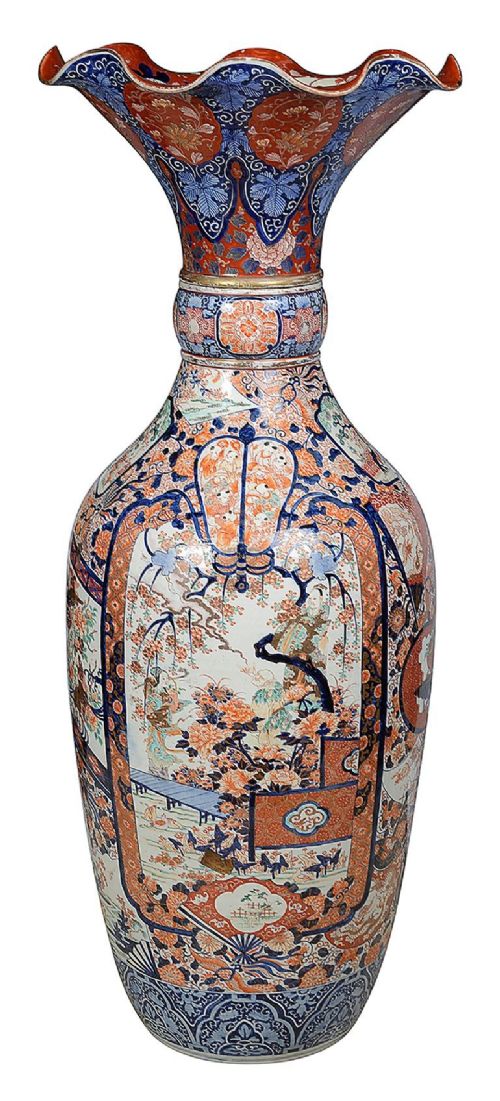
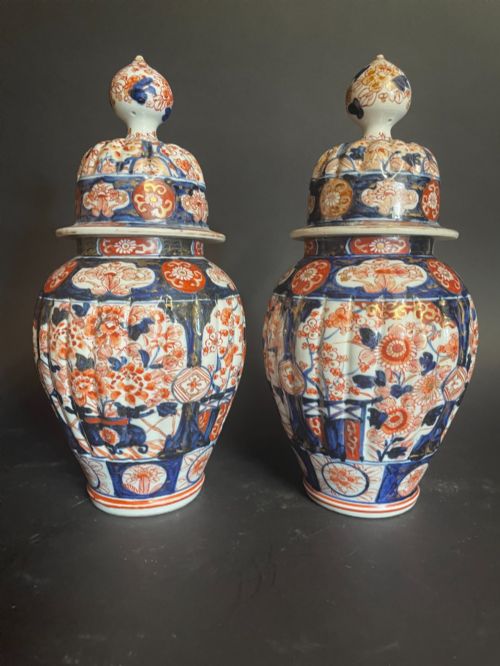
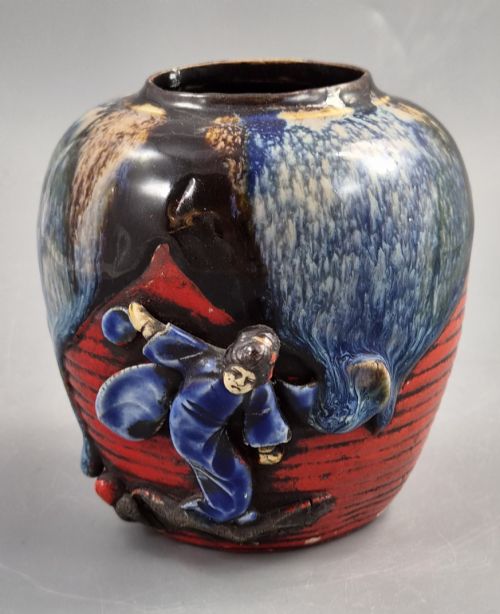
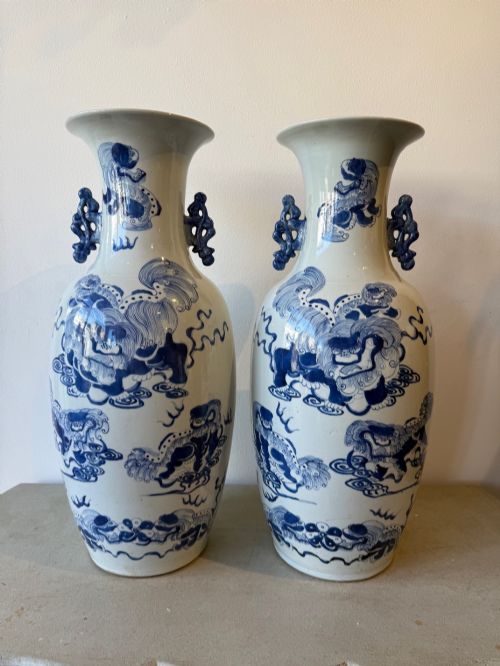
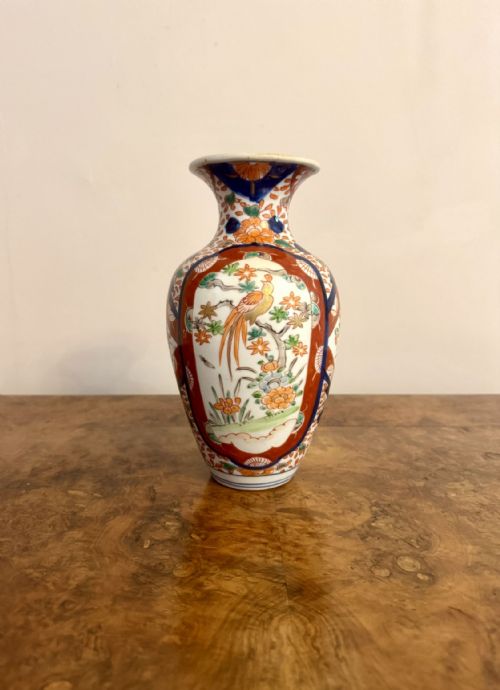
An asian ceramic jar spans forms from lidded ginger jars and tea caddies to monumental vases and koro incense burners, produced across the nineteenth century and earlier eras. The pieces appearing most frequently on this page combine Chinese blue and white porcelain with Japanese Imari and Satsuma earthenwares from the Meiji period.
Makers shaped these vessels for utilitarian storage, ceremonial use, and interior display, utilising traditions rooted in Qing, Ming, and Song dynasties. Buyers encounter both robust export wares meant for Western interiors and delicate studio pieces signed by individual artists.
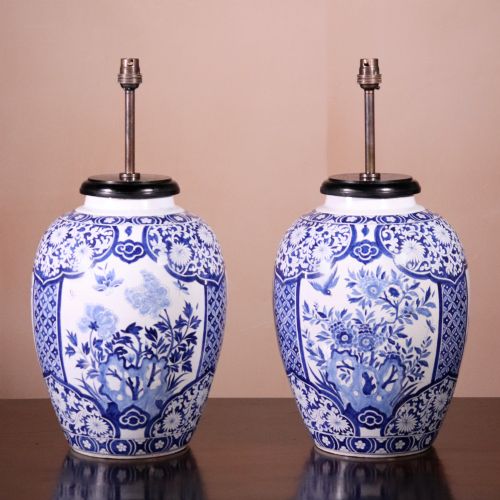
The objects frequently arrive with fitted covers or adapted into table lamps, shifting their original function while retaining their painted surface ornament. Many carry reign marks or studio signatures that connect them directly to specific kilns in China and Japan.
How They Were Made
Potters shaped porcelain and earthenware bodies on the wheel or in moulds before applying cobalt glaze, enamel colours, and occasionally gold leaf accents. These pigments fused into the clay body during high-temperature firings in regional kilns.
Craftsmen utilised crackle glazes and underglaze painting techniques to achieve depth and texture across the surface of each jar. Many vessels received hand-painted landscapes, figures, and floral motifs executed by specialist painters in urban workshops.
Asian Ceramic Jar Retail Price Guide 2026
Typical asking prices for asian ceramic jar among the pieces listed under this phrase on Sellingantiques today, from the lower quarter to the upper quarter. They describe what is for sale here now, not the wider market.
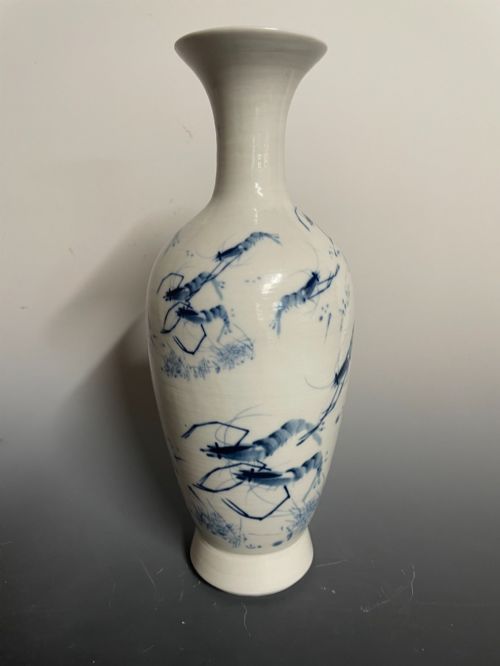
An amusing nineteenth-century Japanese porcelain vase waits on this page alongside solemn imperial dragons and temple jars.
What Varies in Quality
The clarity and precision of the hand-painted decoration separate standard export vessels from pieces produced by renowned workshops and signed masters. Crisp cobalt lines and cleanly applied enamel indicate superior pigment control during the firing process.
The weight and balance of the ceramic body, alongside the crispness of the moulded form, reveal the standard of the original production. Vessels retaining original matching covers and undamaged glaze surfaces command greater interest from collectors.
Kizan·Makuzu Kozan·Yamashu·Taizan·Shizan·Kinrin Workshop·Shozan
The Asian Ceramic Jar Glossary
- Imari
- A style of Japanese export porcelain decorated in underglaze blue, iron red, and gold. It originated in Arita and gained immense popularity in Europe during the nineteenth century.
- Satsuma
- A type of Japanese earthenware featuring a crackled creamy glaze decorated with delicate enamels and gilding. Kyoto studios and regional workshops produced these for international exhibition.
- Celadon
- A type of transparent green glaze applied to porcelain or stoneware, creating a subtle jade-like surface. This finish has a long history in Chinese ceramic production.
Asian Ceramic Jar: Frequently Asked Questions
How do I identify a Satsuma jar?
Look for a finely crackled ivory-coloured earthenware body decorated with detailed enamel figures and raised gold leaf. These pieces often feature signature panels on the base indicating the studio or artist.
Many examples date from the Meiji period and were created specifically for export to Western markets, combining traditional Japanese motifs with decorative opulence.
What is a ginger jar used for?
Historically, these porcelain vessels served to store and transport spices, salt, and oil in traditional households. Later production focused primarily on decorative display within domestic interiors.
Today, they function as standalone decorative objects or serve as bases for table lamps while retaining their classic lidded silhouette.
Are reign marks genuine on nineteenth-century pieces?
Potters frequently placed earlier dynasty marks, such as those of Kangxi or Jiajing, on nineteenth-century pieces as a sign of respect rather than an attempt to deceive. These marks celebrate historical excellence rather than denoting the actual production date.
Examining the quality of the glaze, body weight, and painting style helps determine the true age of the ceramic beyond the written mark.
How should I clean my ceramic jar?
Dust the surface gently with a soft, dry brush to remove particles without disturbing delicate enamel or gold leaf details. Avoid using water, detergents, or chemical cleaners on antique porcelain and earthenware.
Display the jar away from direct sunlight and areas prone to sudden temperature fluctuations to protect the glaze and body over time.