


Asian Porcelain Jar
An asian antique porcelain jar brings centuries of kiln craft into a room, offering striking form and intricate glaze work.
Asian Porcelain Jar
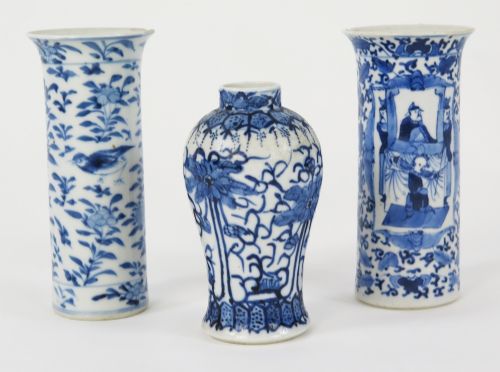
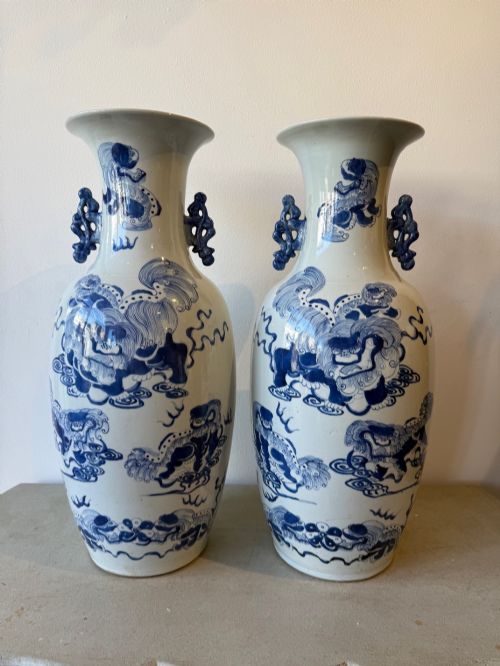
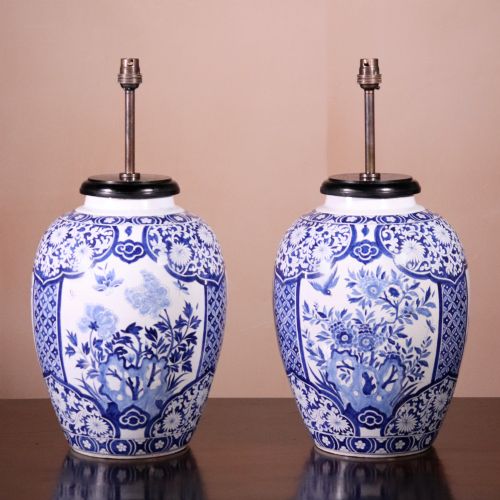
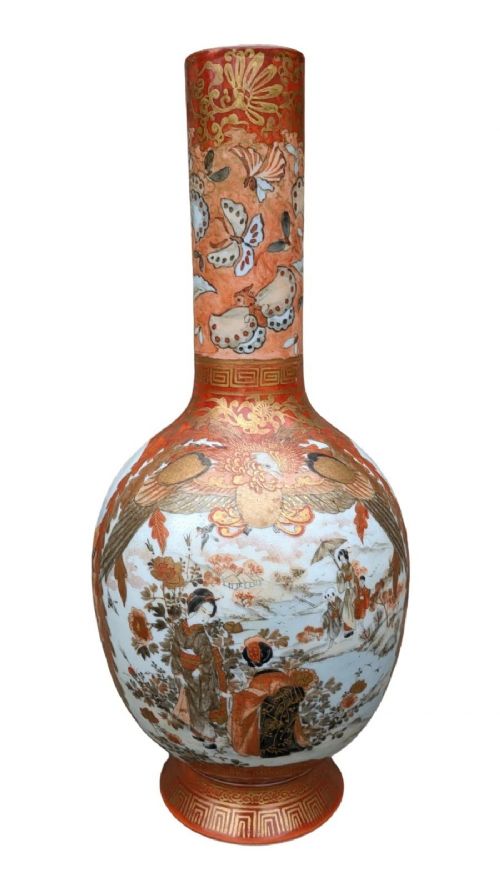
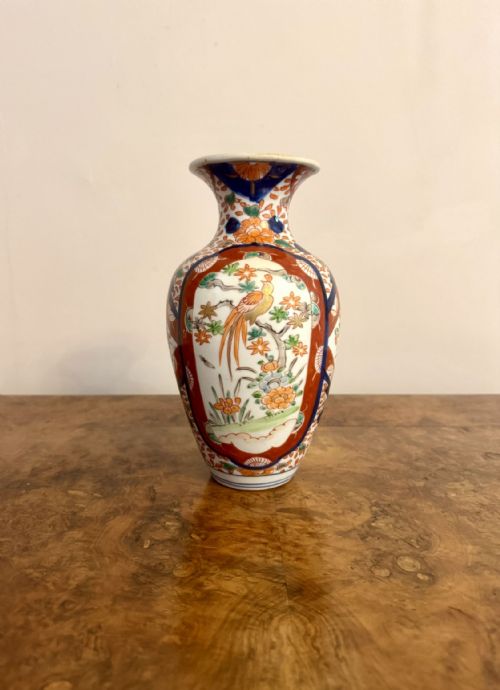
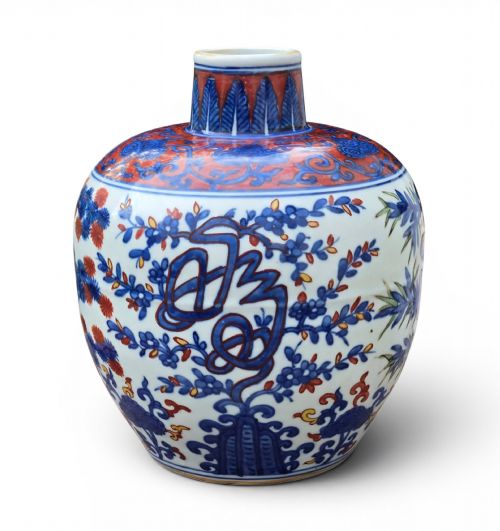
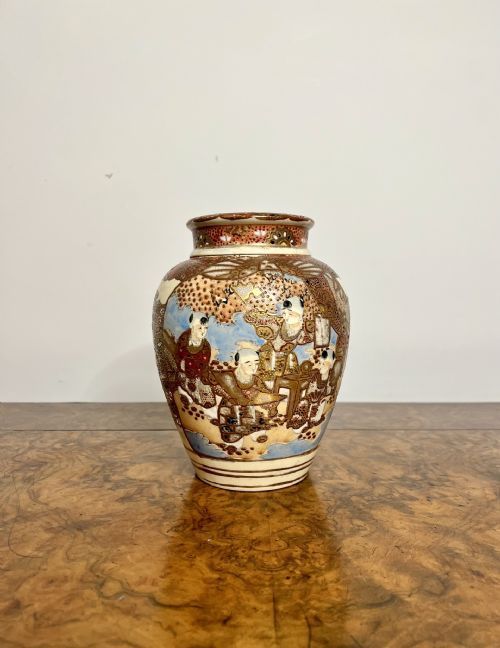
An asian antique porcelain jar encompasses vessels originating from China and Japan, spanning traditional blue and white designs to intricate Satsuma and Imari styles. These pieces arrive in various forms, including lidded ginger jars, tea caddies, and larger decorative urns.
Collectors frequently encounter examples dating from the nineteenth century, alongside earlier stylistic revivals and Meiji period creations. Many items show dual utility, having been adapted into table lamps while retaining their original ceramic body.
The selection ranges from robust Chinese celadon canisters to finely painted Japanese porcelain vases. Each object reflects the distinct ceramic traditions of its origin, balancing utilitarian beginnings with decorative appeal.
How they were made
Potters shaped high-fired ceramic and porcelain bodies before applying cobalt glaze, enamel, or underglaze blue pigments by hand. Many pieces integrate fine details using gold leaf and brass fittings.
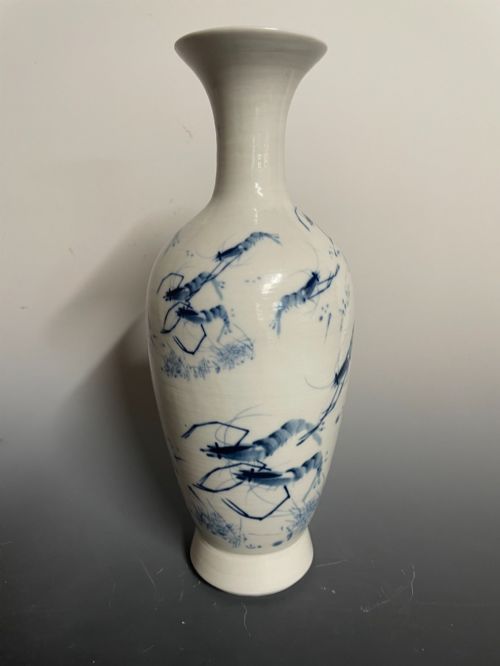
Japanese and Chinese workshops utilised established traditions, firing pots in kilns to achieve crackle glazes or smooth finishes. Artisans then layered polychrome enamels and iron-red decorations over the fired porcelain.
Some nineteenth-century porcelain jars spent decades moonlighting as heavy-duty lamp bases before returning to their ceramic roots.
What varies in quality
The precision and detail of the hand-painted brushwork separate ordinary vessels from superior works. Fine pieces display crisp cobalt blue tones, meticulously applied gold leaf, and controlled enamel layering.
Artistic provenance and workshop signatures influence value and distinction. Signed pieces from notable Japanese studios or those bearing period imperial marks demonstrate higher levels of craftsmanship.
Makuzu Kozan·Tokyo Taizan·Kinrin Workshop·Shozan Kyoto Studio·Yamashu
The Asian Porcelain Jar Glossary
- Imari
- A style of Japanese porcelain featuring a distinct palette of underglaze blue, iron-red, and gold. These wares were traditionally exported through the port of Imari.
- Satsuma
- Earthenware and pottery originating from the Satsuma province in Japan, known for a creamy crackled glaze and elaborate polychrome enamel decorations often depicting figures.
- Celadon
- A type of ceramic glaze denoting a pale grey-green hue, popular in Chinese porcelain production for mimicking the appearance of jade.
- Kamcheng
- A traditional lidded ceramic jar associated with Southeast Asian trade, typically decorated in vibrant enamel colours.
- Meiji Period
- The era in Japanese history spanning from 1868 to 1912, characterised by opening trade with the West and prolific decorative arts production.
Asian Porcelain Jar: Frequently Asked Questions
How do I identify an Imari jar?
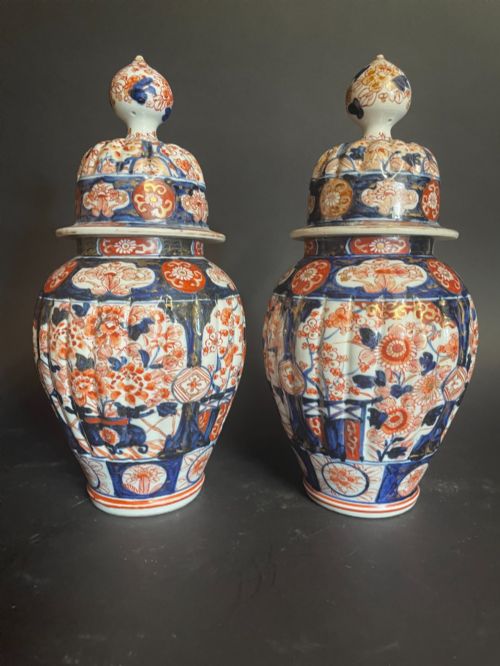
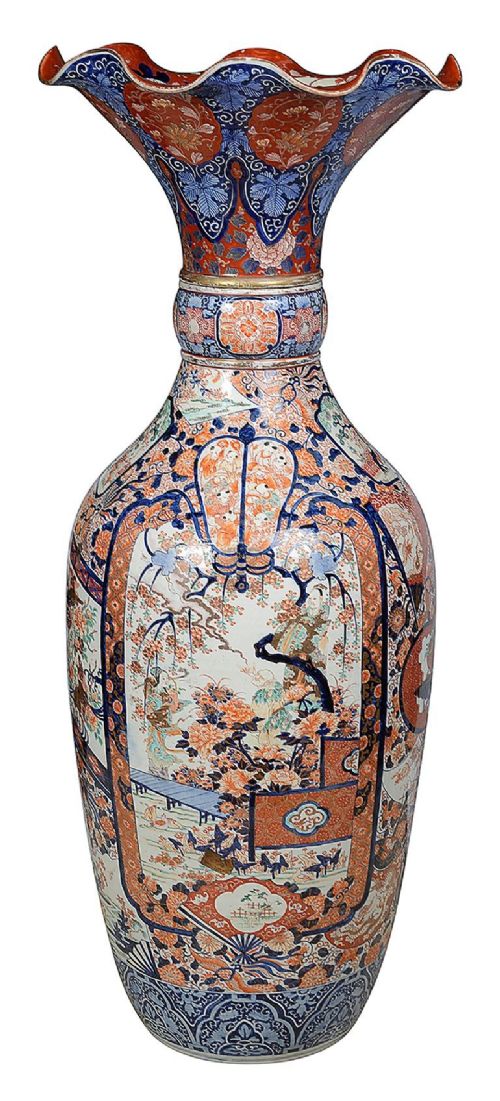
Imari jars are identified by their characteristic colour palette, combining deep underglaze blue with rusty iron-red and accents of gold leaf.
They often depict floral or landscape motifs across the porcelain surface, reflecting traditional Japanese export designs.
What is a Satsuma ginger jar?
Satsuma ginger jars are ceramic vessels distinguished by their ivory-coloured, crackled glaze and dense enamel painting.
Unlike high-fired porcelain, these pieces are typically earthenware and frequently feature detailed figural scenes enriched with gold.
Are these jars waterproof for flowers?
While many of these vessels were originally made to hold dry goods, tea, or ginger, antique porcelain is generally watertight.
However, due to the age of the ceramic and the presence of hand-painted enamels, liners are often recommended to protect the interior.
How do I date a blue and white jar?
Dating relies on examining the quality of the cobalt glaze, the weight of the porcelain body, and any reign marks or symbols on the base.
Nineteenth-century pieces frequently display stylistic revivals of earlier Kangxi designs alongside period manufacturing traits.