





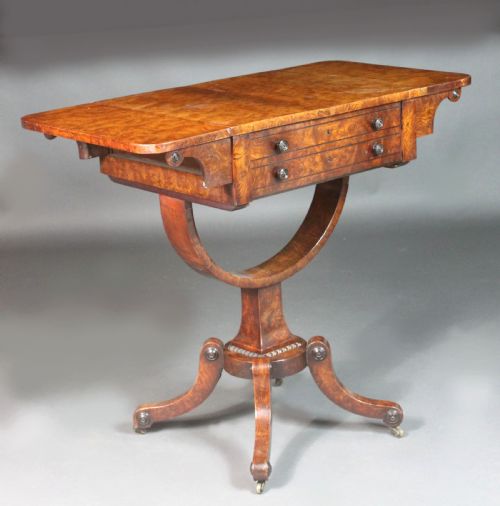
Ash Wood Table
An ash wood table brings honest domestic utility and strong native grain straight into a room.
Ash Wood Table
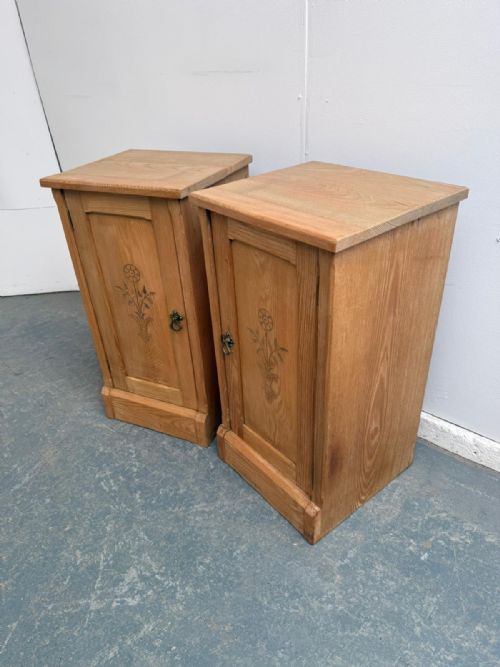
An ash wood table represents a robust tradition of utilitarian furniture making, spanning simple country forms to refined movement pieces. When a buyer searches for an ash wood table, they encounter items built for service, ranging from early farmhouse surfaces to compact side tables and specialised work tables.
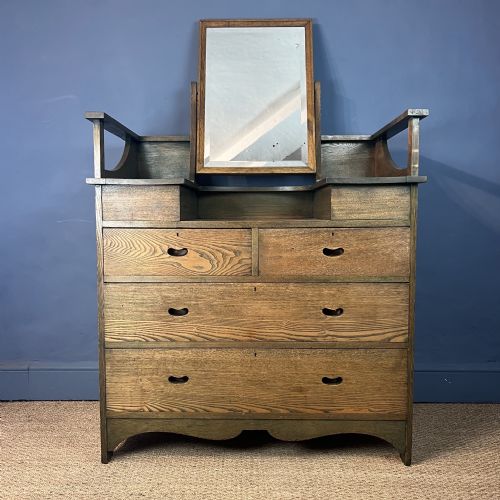
The pieces listed on this page showcase a remarkable variety of regional forms and dates. Examples stretch from eighteenth-century cricket tables and dairy boards through nineteenth-century vernacular pieces to early twentieth-century Arts and Crafts designs.
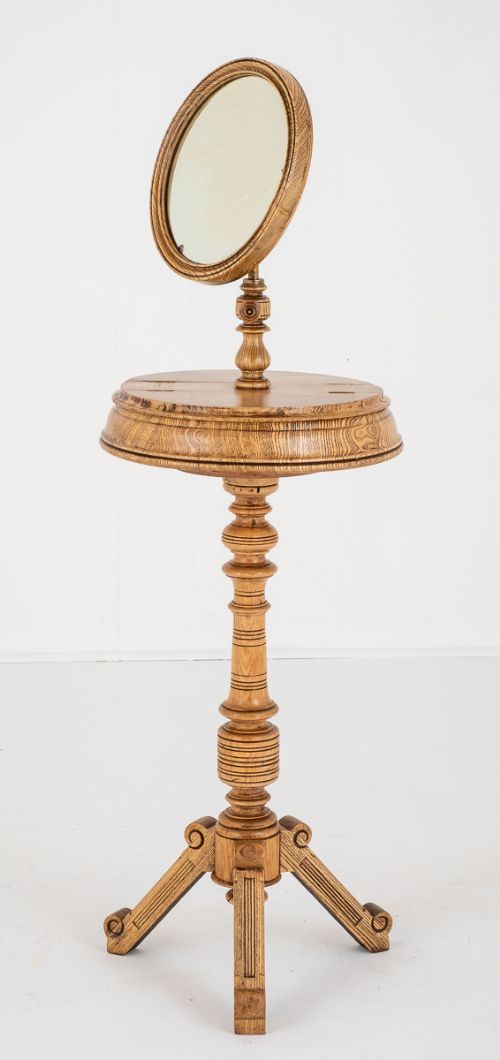
Domestic timber defines the group, utilising ash, burr ash, and Hungarian ash alongside supporting woods like sycamore. Buyers find surfaces intended for daily toil that have aged into characterful focal points for contemporary interiors.
How they were made
Makers utilised solid ash and burr ash for their tough, resilient qualities and striking grain patterns. Carpenters shaped these native timbers using traditional hand tools, often incorporating stretcher frames and sturdy three-leg or four-leg configurations to ensure stability on uneven floors.
Surface treatments remained straightforward, relying on wax to protect the wood while accentuating its natural figuring. Structural joints typically involved pegged mortise and tenon construction, reflecting the utilitarian origins of farmhouse and vernacular workshop production.
Ash Wood Table Retail Price Guide 2026
Typical asking prices for ash wood table among the pieces listed under this phrase on Sellingantiques today, from the lower quarter to the upper quarter. They describe what is for sale here now, not the wider market.
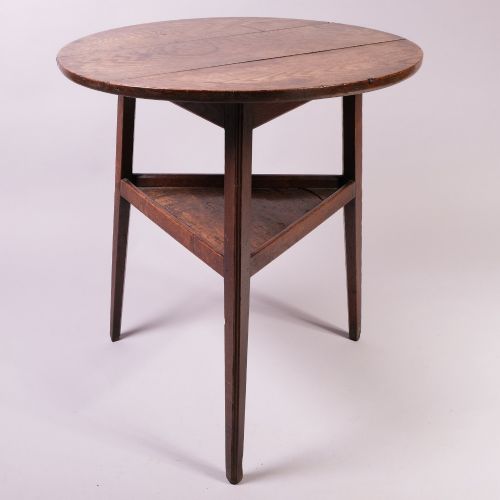
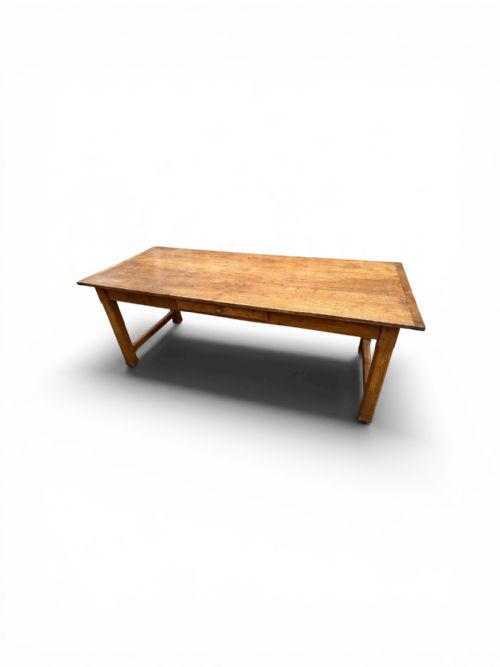
A dairy table once destined for heavy farm work now lives a life of quiet leisure as a statement piece.
What varies in quality
The distinction between ordinary utility items and finer examples lies in the selection of timber and the sophistication of the form. Burr ash and Hungarian ash surfaces display exceptional figuring that elevates a simple table into a piece of deliberate design.
Proportion and integrity dictate the standing of each piece within its period. Tables that retain their original timber surfaces, unaltered stretchers, and honest patination achieve greater presence than those compromised by heavy restoration.
George Walton
The Ash Wood Table Glossary
- Cricket table
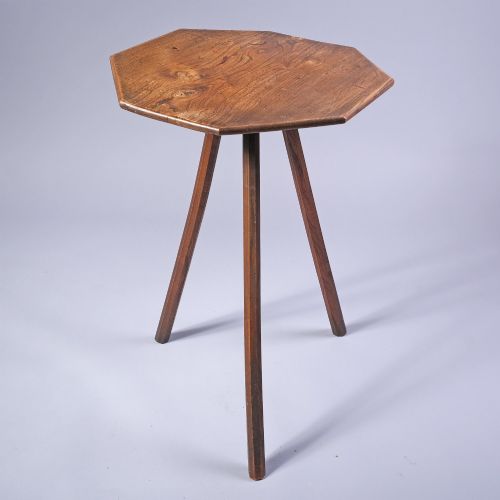
- A small, three-legged occasional table originating in Britain, traditionally designed with splayed legs for stability on uneven stone floors.
- Burr ash
- A prized wood growth containing swirling knot formations, highly valued for decorative veneer and solid table tops.
- Vernacular furniture
- Domestic pieces built by local tradesmen using regional traditions rather than following fashionable metropolitan styles.
- Stretcher
- A horizontal timber connecting the legs of a table to provide structural rigidity and prevent outward splaying.
- Hungarian ash
- A distinct European variety of ash known for its dramatic and decorative grain patterns.
Ash Wood Table: Frequently Asked Questions
What rooms suit an ash wood table?
These tables adapt easily to kitchens, hallways, and living spaces as surfaces for daily use or display. Their pale native grain introduces natural texture without overwhelming surrounding decor.
Compact side tables fit snugly beside seating, while larger farmhouse examples anchor a kitchen or dining area with straightforward utility.
How do I care for antique ash?
Maintenance requires little more than regular dusting with a soft, dry cloth to protect the historic wax finish. Avoid placing solid timber near direct heat sources to prevent movement in the wood.
Applying a traditional beeswax occasionally helps nourish the grain and preserve the soft sheen built up over centuries.
Are these tables sturdy for daily use?
Ash possesses exceptional toughness and flexibility, making these tables inherently strong and dependable. Stretcher frames and solid pegged joints provide the structural support needed for everyday life.
Careful placement on level ground ensures that older frames remain stable and free from unnecessary strain during use.
How can I tell the period?
Dating relies on observing construction methods, tool marks, and the specific evolution of regional styles. Eighteenth-century examples often display simpler, heavier turnings, while later pieces show refined Arts and Crafts influences.
Examining the underside and drawer construction reveals hand-cut details that distinguish early vernacular work from later production.