




Ash Wood Chest
An ash wood chest brings quiet domestic utility and pale timber grain into a room, offering sturdy storage fashioned from native hardwood.
Ash Wood Chest
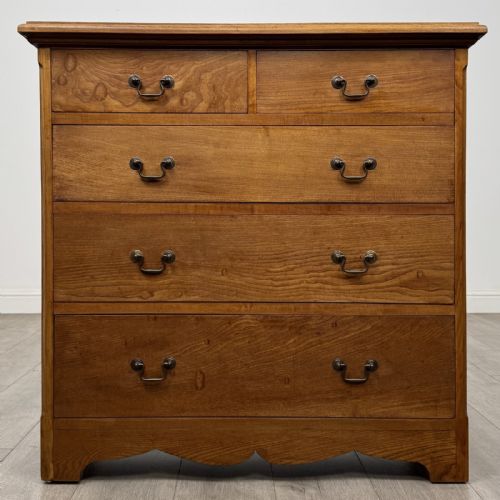
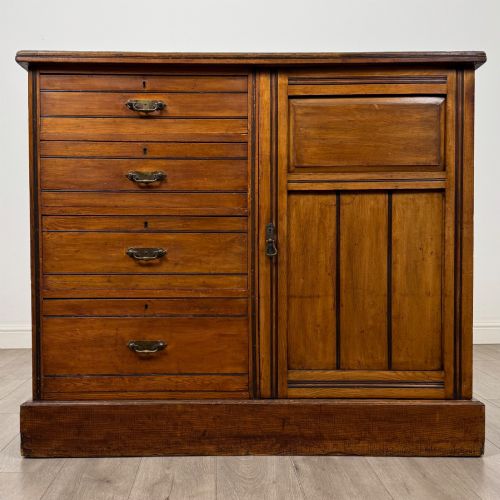
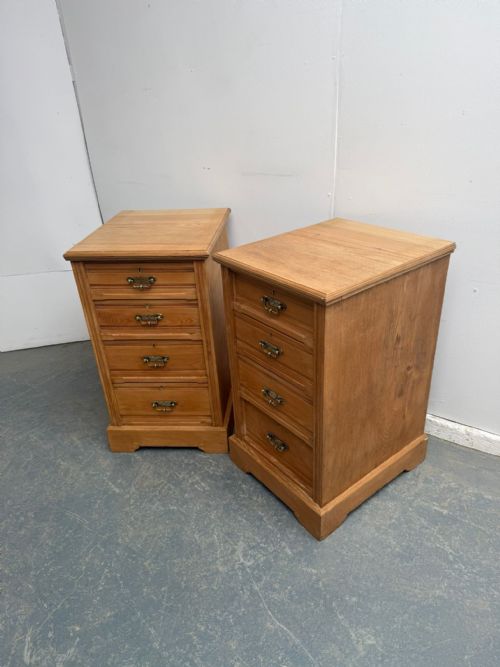
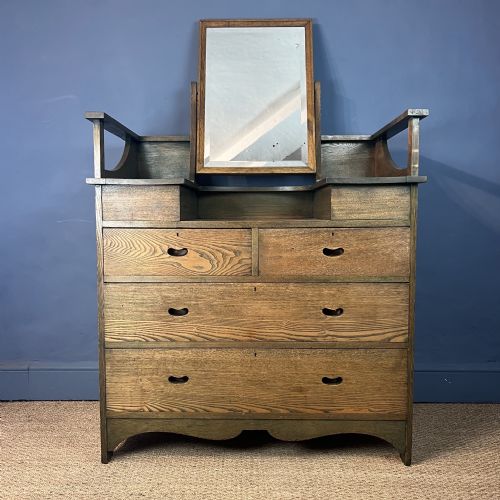
An ash wood chest encompasses practical bedroom storage pieces fashioned from native hardwood, ranging from compact bedside cabinets and dressing chests to tall cupboards, commodes, and multi-drawer chests. These items emerge across the eighteenth, nineteenth, and early twentieth centuries, reflecting changing domestic requirements for linen and clothing organisation in both modest farmhouses and refined homes.
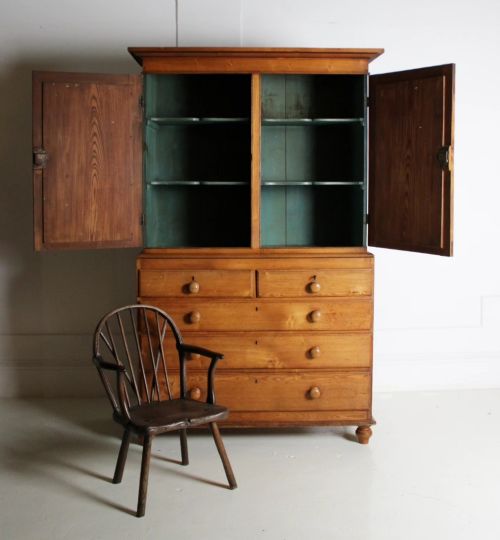
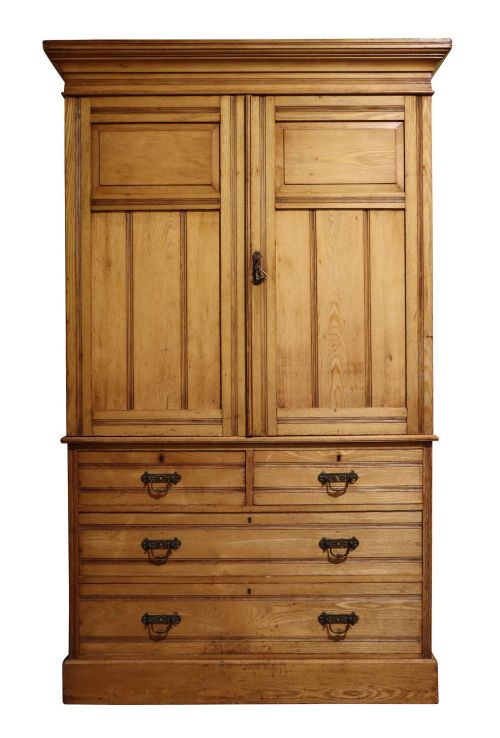
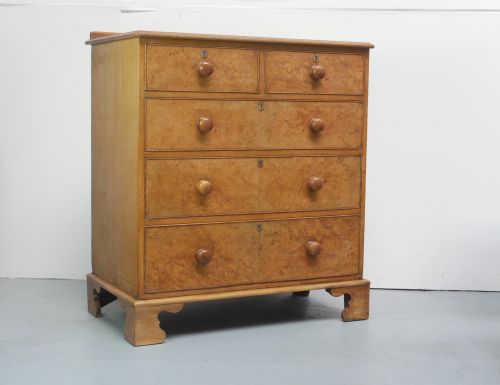
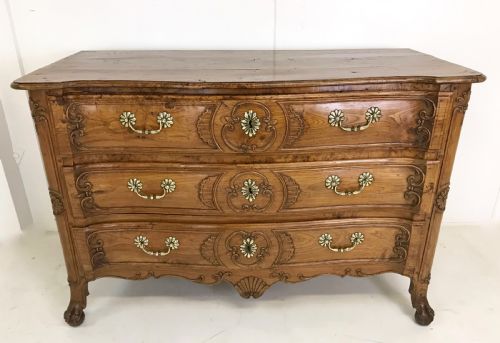
The version most commonly encountered on this page is the nineteenth-century chest of drawers or press cupboard, often exhibiting the honest construction characteristic of Victorian country workshops or the pared-back aesthetic of the Arts and Crafts movement. Alongside these standard drawer configurations, buyers frequently find specialist forms like linen presses, wardrobe compactums, and French provincial commodes featuring figured burr ash veneers.
How they were made
Cabinet makers utilised solid ash and burr ash for these pieces, frequently combining the pale, tough timber with contrasting elements of brass, iron, and glass hardware. Surfaces were often left with a waxed finish to highlight the natural grain, though examples also appear with green staining or painted highlights.
Construction methods range from traditional joinery in English country pieces to the sophisticated veneering techniques seen on Louis Philippe commodes and commodes attributed to major London firms. Cabinet makers selected burr ash specifically for its dramatic, swirling grain patterns, applying these decorative veneers to drawer fronts and primary visual surfaces.
Ash Wood Chest Retail Price Guide 2026
Typical asking prices for ash wood chest among the pieces listed under this phrase on Sellingantiques today, from the lower quarter to the upper quarter. They describe what is for sale here now, not the wider market.
Listings on this page span from the eighteenth century through the 1920s, featuring materials such as solid ash, burr ash, brass, and marble.
What varies in quality
The distinction between ordinary and exceptional examples lies in the selection of the timber and the sophistication of the joinery. Pieces featuring highly figured burr ash veneers and considered proportions command greater attention than utilitarian storage items built for simple domestic service.
Design attribution and stylistic coherence further separate standard pieces from notable works. Items associated with specific makers or movements, such as an Arts and Crafts dressing chest or a press cupboard in the manner of a prominent London retailer, demonstrate superior execution in every visible detail.
G. Bartholomew Co·Maple Co·George Walton
The Ash Wood Chest Glossary
- Ash
- A tough, pale-coloured British hardwood valued by cabinet makers for its strength and expressive grain patterns. It forms the primary structural and visual material for country furniture and Arts and Crafts pieces.
- Burr ash
- A specialised timber cut from the abnormal growths on ash trees, yielding highly decorative, swirling grain patterns. Cabinet makers typically utilised this wood for veneers on the primary surfaces of commodes and chests.
- Linen press
- A tall storage piece combining cupboard doors enclosing sliding trays at the top with drawers beneath. This form was designed specifically for storing folded household linen and garments.
- Commode
- A low chest of drawers or cabinet originating in France, often featuring decorative wood veneers and a marble top. In nineteenth-century contexts, the term frequently describes refined case furniture with a finished back.
- Arts and Crafts
- A design movement spanning the late nineteenth and early twentieth centuries that emphasised honest construction, local materials, and utility. Furniture from this period generally showcases plain ash surfaces and minimal ornament.
Ash Wood Chest: Frequently Asked Questions
How do I date an ash chest?
Dating relies on observing construction methods, handle hardware, timber preparation, and overall stylistic markers. Pieces from the eighteenth century show different joinery techniques compared to Victorian country examples or twentieth-century Arts and Crafts items.
Secondary woods, drawer linings, and the presence of factory stamps or maker attribution provide further chronological clues.
Where were these chests used?
These chests served primarily in domestic bedrooms, dressing rooms, and linen chambers for storing garments and household textiles. Utility pieces were common in farmhouse settings, while finer veneered commodes furnished formal chambers.
Their robust construction made them suitable for daily domestic service across generations of family life.
How do I care for ash furniture?
Maintain ash wood furniture by keeping it away from direct sunlight and sudden temperature changes that can dry out the timber. Regular dusting with a soft cloth and occasional application of appropriate furniture wax preserves the finish.
Avoid excessive moisture and place protective pads under any decorative objects displayed on the top surface.