
Ash Wood Chair
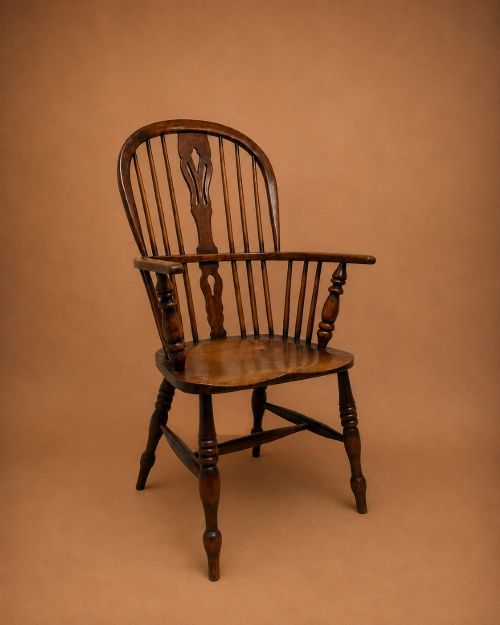
When you examine an ash wood chair, you hold a piece of vernacular English country furniture shaped by centuries of regional tradition.
Ash Wood Chair
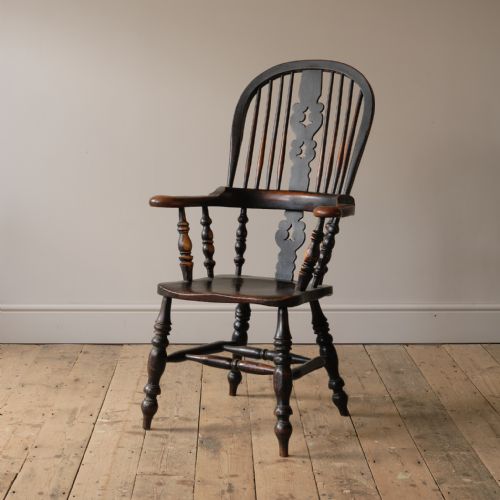
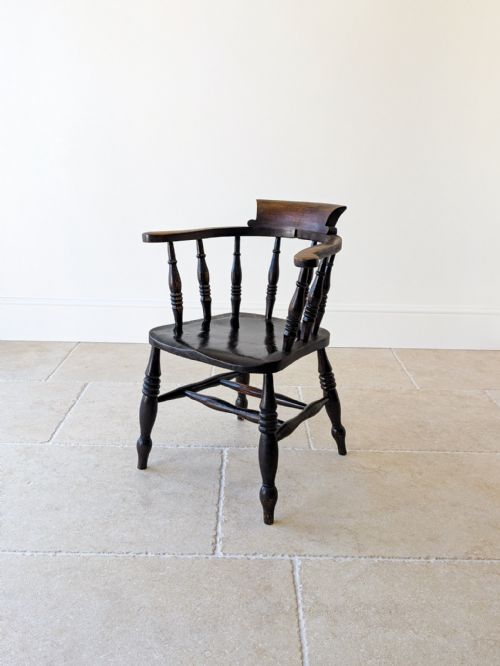
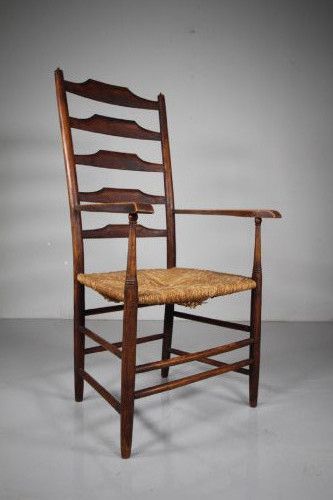
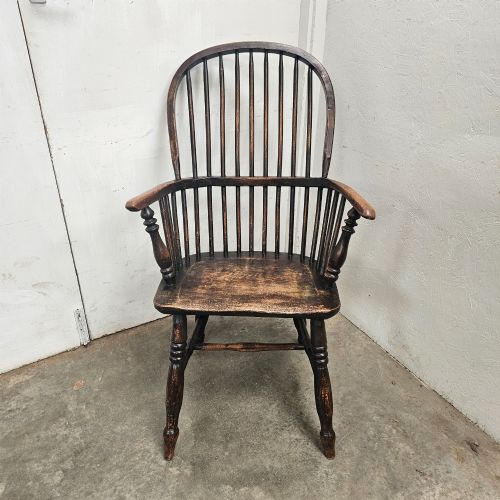
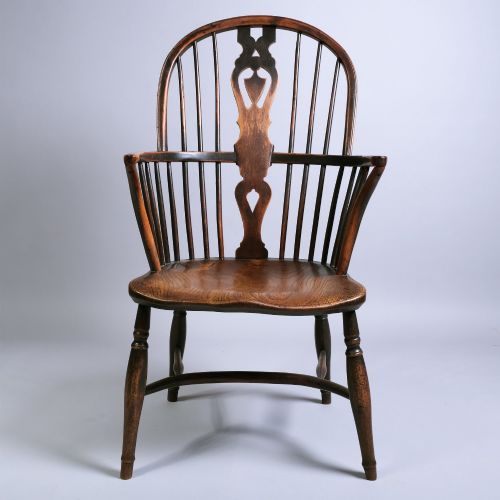
An ash wood chair encompasses a broad family of vernacular seating originating from English, Welsh, Irish, and Scottish rural workshops, spanning the Georgian, Regency, and Victorian eras. These range from heavy-set Windsor armchairs to ladderbacks and rush-seated kitchen chairs.
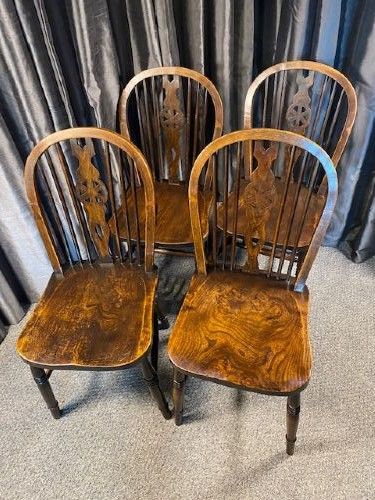
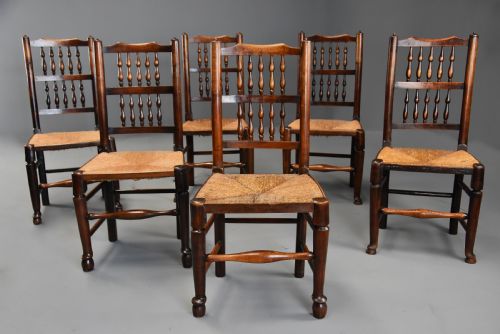
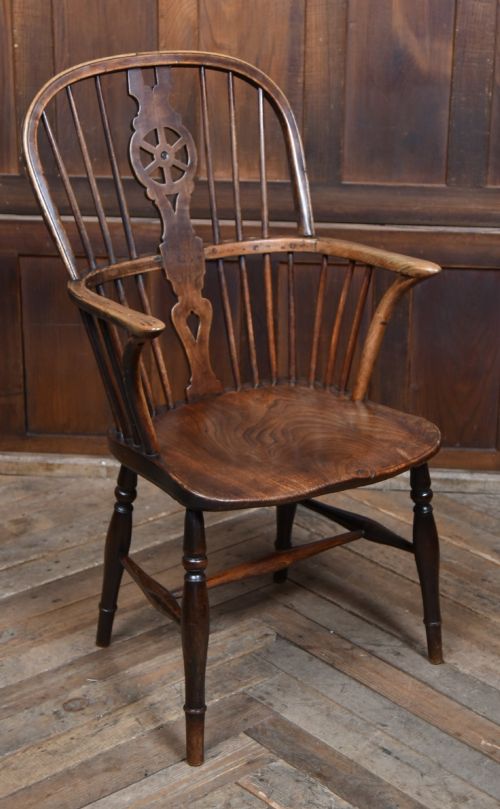
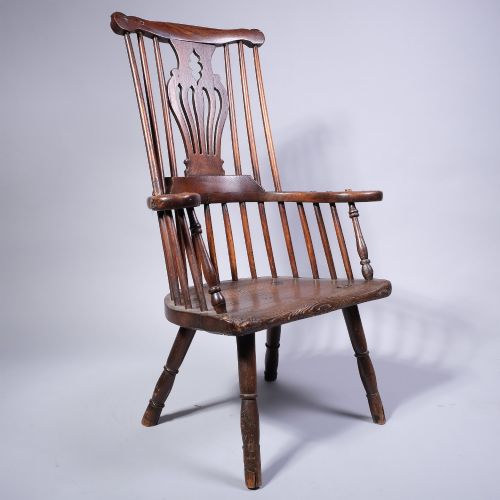
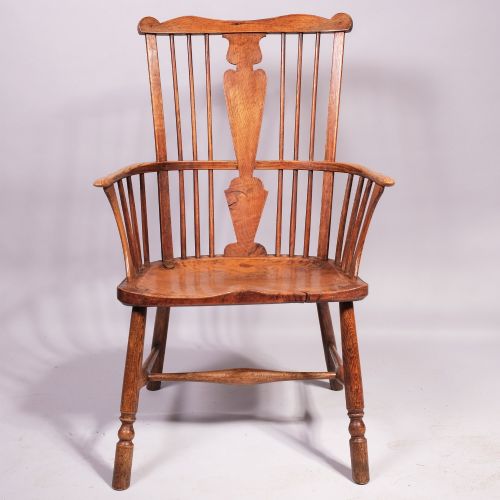
The most common examples encountered on this page pair an ash frame with an elm seat, often supported by spindle backs, wheelbacks, or high combs. Dining sets, rocking chairs, carver chairs, and primitive high chairs also frequently appear.
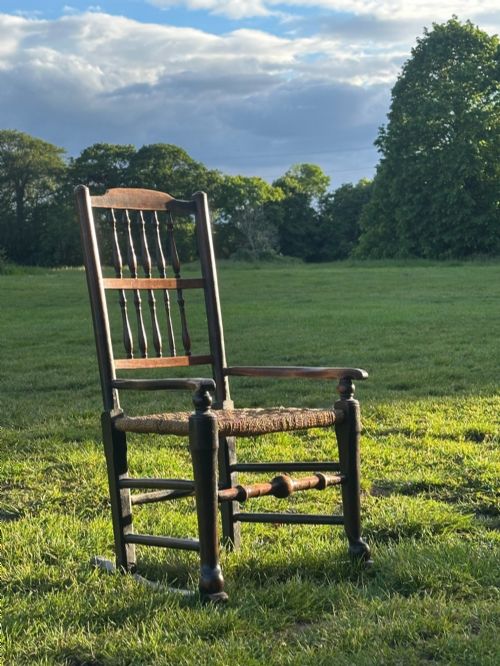
Makers working within country traditions utilised local timber, resulting in regional variations such as Lancashire spindle backs, East Anglian types, or Irish súgán chairs with plaited straw seats.
How they were made
Construction relies heavily on the combination of ash for bent framework and spindles, paired with solid elm for carved saddle seats, supplemented by timbers like yew, fruitwood, beech, oak, and alder. This mix capitalises on the inherent flexibility and strength of ash alongside the split-resistance of elm.
Green woodworking techniques often governed the shaping of components, utilising pole lathes and steam-bending to form hoop backs and curved armrests. Seats were deeply sculpted using adzes and scorps, while legs and stretchers were turned and wedged into bored mortise joints.
Listings feature ash combined with elm, yew, fruitwood, beech, oak, and alder across 18th-century, 19th-century, and Victorian periods.
What varies in quality
Quality rests on the integrity of the timber selection and the retention of original surface patination, where years of use produce a deep, warm glow on the wood. Pieces retaining their early or original finish command greater interest than those stripped or overly restored.
Philip Clissett·Duncan McKellar·George Walton
The Ash Wood Chair Glossary
- Windsor chair
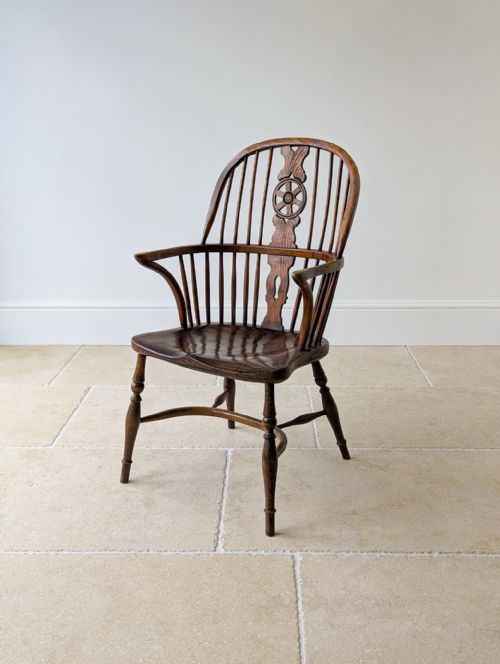
- A wooden chair featuring a heavy solid timber saddle seat into which the legs and back spindles are directly fitted. The back typically incorporates a bentwood hoop or a high comb piece.
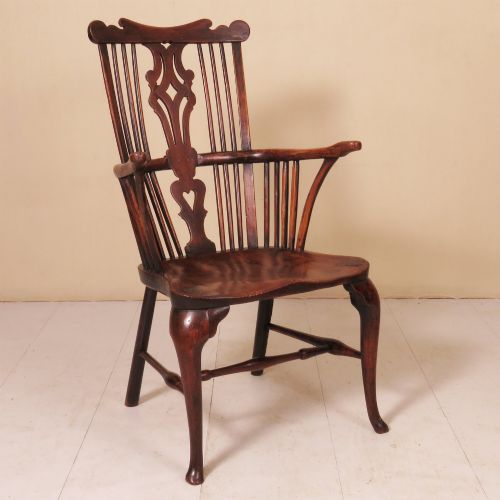
- Comb back
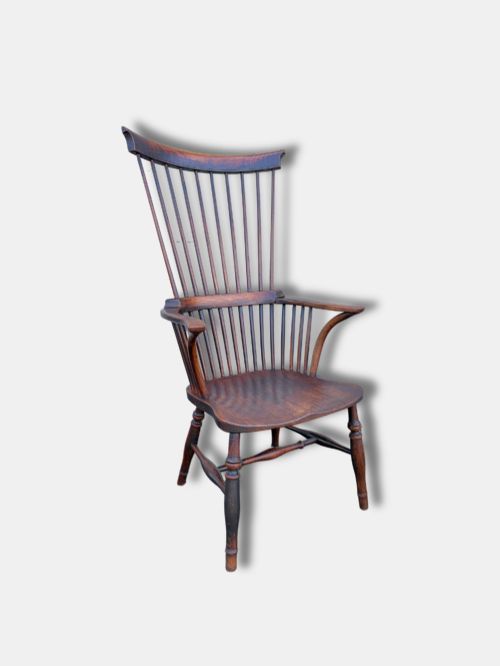
- A Windsor chair variation where the central vertical spindles extend upward to support a horizontal headrest piece resembling a traditional hair comb.
- Súgán
- An Irish term for a twisted straw rope used to form woven seating surfaces on vernacular chairs.
- Spindle back
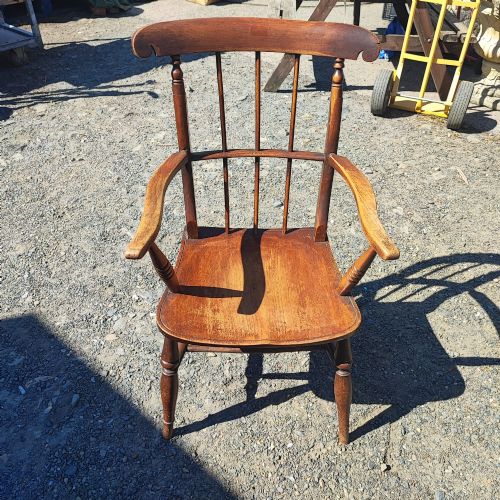
- A chair back constructed from a series of slender turned wooden uprights arranged vertically between a top rail and seat.
- Vernacular furniture
- Items built by local tradesmen and country joiners to utilitarian designs rather than following strict metropolitan stylistic fashions.
- Patina
- The surface sheen and colour developed across decades or centuries through handling, waxing, and ageing of the timber.
Ash Wood Chair: Frequently Asked Questions
What is an ash wood Windsor chair?
A Windsor chair built with an ash frame utilises strong, flexible timber for its bent components and spindle uprights. These chairs feature a thick sculpted wooden seat that anchors the undercarriage legs and back structure.
Craftsmen traditionally paired ash with elm for the seat board to prevent splitting, creating a sturdy piece intended for heavy daily use in kitchens and farmhouses.
How do I date an antique country chair?
Dating relies on observing construction methods, tool marks left by hand planes, and the wear patterns on the wooden seat. Georgian and Regency pieces often show primitive joinery techniques and distinct regional turning styles.
Later Victorian iterations tend towards standardised production methods and sometimes incorporate factory-turned components while maintaining traditional stick-back or ladderback forms.
What timber combinations are typical?
The most prevalent combination pairs an ash frame and spindles with a thick elm seat. Fruitwood, yew, beech, and alder also appear frequently across regional variations and specific chair parts.
Makers selected each wood for its specific properties, using flexible ash for bent rails and tough elm or fruitwood for carved, comfortable saddle seats.
How do I care for rush and straw seats?
Rush and súgán seats require protection from excessive moisture and direct sunlight to prevent the natural fibres from becoming brittle. Keeping the room at a stable humidity preserves the woven straw.
Cleaning should be limited to gentle dusting with a soft brush, avoiding liquid cleaners that can rot the natural plant materials over time.