



Arts Crafts Light Shade
An arts crafts light shade brings honest metalwork and coloured glass into a room, offering warm illumination rooted in early twentieth-century design.
Arts Crafts Light Shade
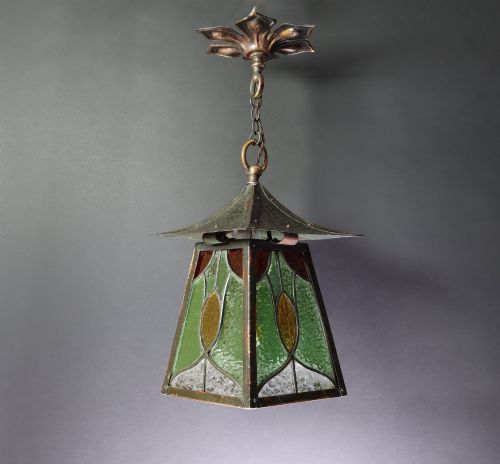
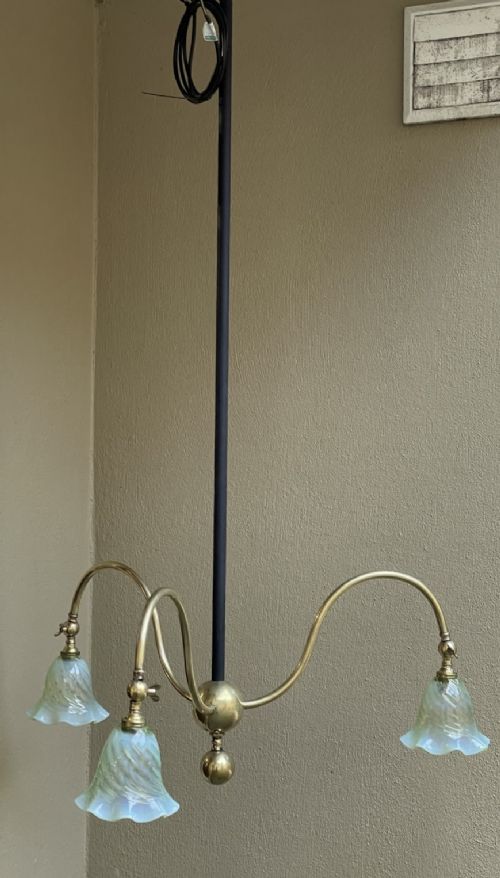
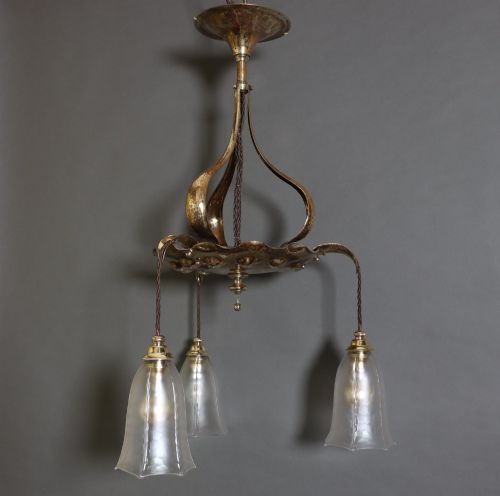
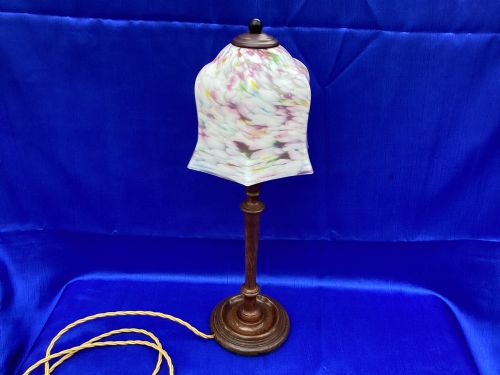
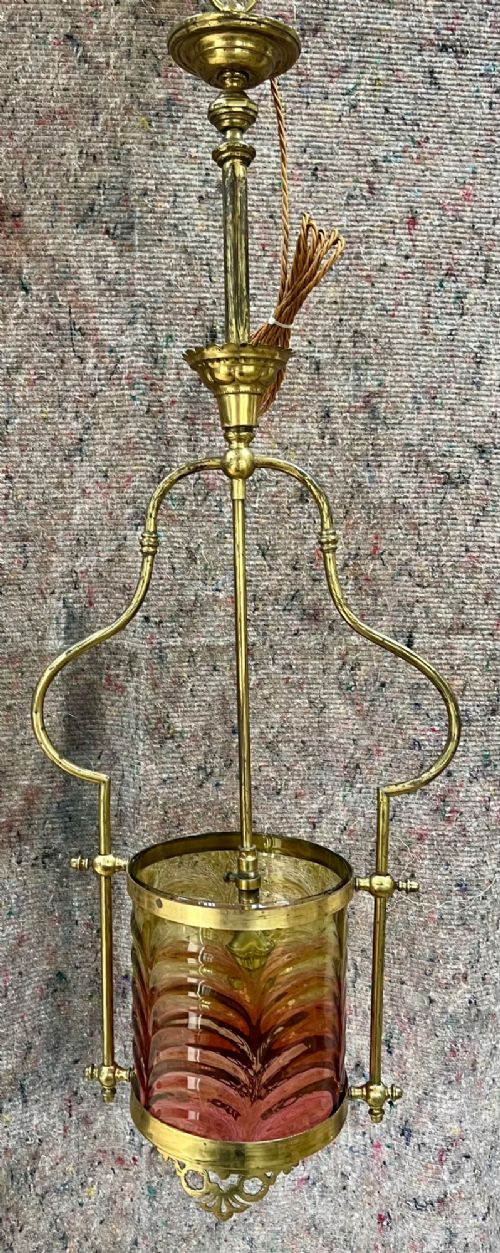
When you search for an arts crafts light shade, you encounter fixtures that span the Victorian era, Edwardian period, and the early decades of the twentieth century. These pieces encompass hanging lanterns, ceiling bowls, and specialised lamps designed for domestic illumination.
The objects listed display stylistic crossovers, including Art Nouveau, Jugendstil, and French variations alongside traditional Arts and Crafts forms. You will find copper, brass, and leaded glass defining the dominant aesthetic of these items.
How they were made
Metalwork forms the structural core of these pieces, utilising hand-beaten copper, planished brass, and patinated metal shaped by hammer and forge. Artisans worked sheet metal to create lanterns, brackets, and telescopic floor stands.
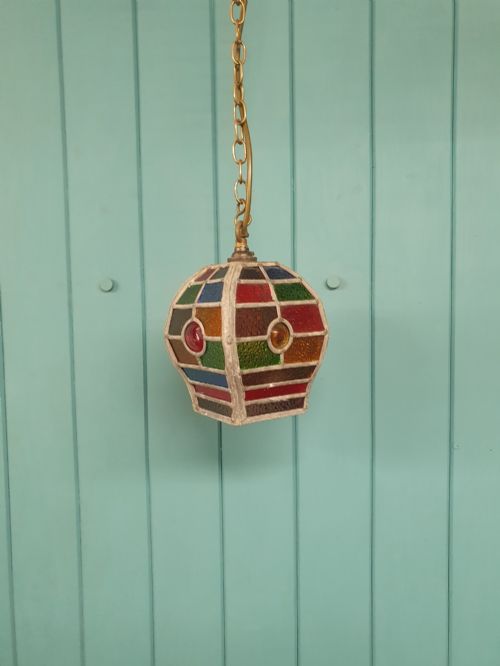
Glass components combine leaded stained glass, opalescent panels, and cobalt blue shades to diffuse light. These panels were soldered into frames or blown into bowls to catch and soften the illumination.
Arts Crafts Light Shade Retail Price Guide 2026
Typical asking prices for arts crafts light shade among the pieces listed under this phrase on Sellingantiques today, from the lower quarter to the upper quarter. They describe what is for sale here now, not the wider market.
Cherub wall lights and town hall lanterns share the inventory with humble reading lamps.
What varies in quality
The degree of hand-finishing in the metalwork separates standard production from finer examples, visible in the depth of planishing marks and the weight of the copper or brass used. Heavier gauge metals and complex fretwork indicate superior craftsmanship.
The quality of the glass panels dictates the visual richness of the fixture, with varied opalescence and leaded construction providing greater character than plain pressed glass. Original components and signed work elevate the standing of the piece.
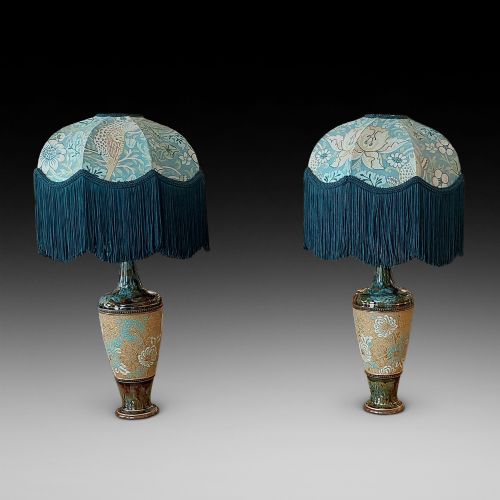
Royal Doulton Slaters·W A S Benson
The Arts Crafts Light Shade Glossary
- Opalescent Glass
- Glass that has a milky, iridescent appearance which diffuses light softly. It frequently appears in bowl pendants and shade panels from the period.
- Jugendstil
- The continental European manifestation of Art Nouveau, characterised by flowing organic lines. It shares shelf space with British Arts and Crafts metalwork.
- Telescopic
- A standard lamp construction allowing height adjustment via a sliding central brass rod. This mechanism provided practical lighting flexibility in Victorian and Edwardian interiors.
Arts Crafts Light Shade: Frequently Asked Questions
What materials make up an arts crafts light shade?
These shades and associated light fittings incorporate metals such as copper, brass, wrought iron, and bronze alongside glass elements.
Leaded stained glass, opalescent glass, and cobalt blue glass frequently appear within the recorded examples.
How do I identify the period of a light fitting?
Dating relies on stylistic markers and material combinations pointing to the late nineteenth and early twentieth centuries. References span Victorian, Edwardian, and specific decades from eighteen eighty to nineteen twenty.
Construction techniques like hand-beaten copper and telescopic brass columns help confirm the era of manufacture.
Where were these lamps and lanterns used?
These fixtures served various domestic and civic spaces, from reading corners and hallways to town halls and porches.
Ceiling pendants and wall sconces provided ambient room illumination, while table and floor lamps offered task lighting.