
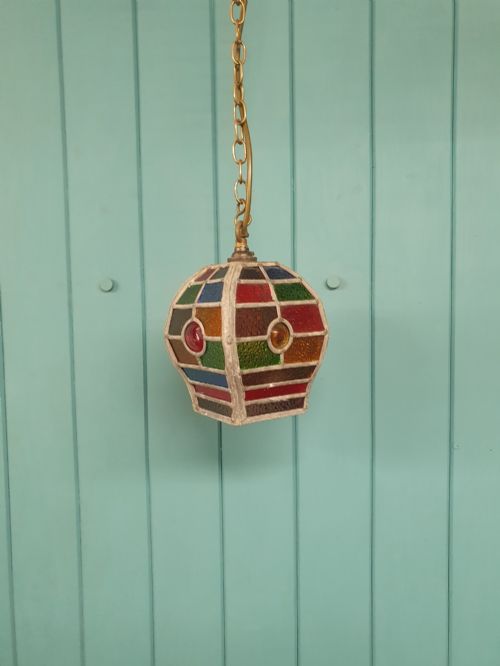


Arts Crafts Glass Shade
An arts crafts glass shade brings warm, diffused light and honest construction into a room, capturing the tactile spirit of the early twentieth century.
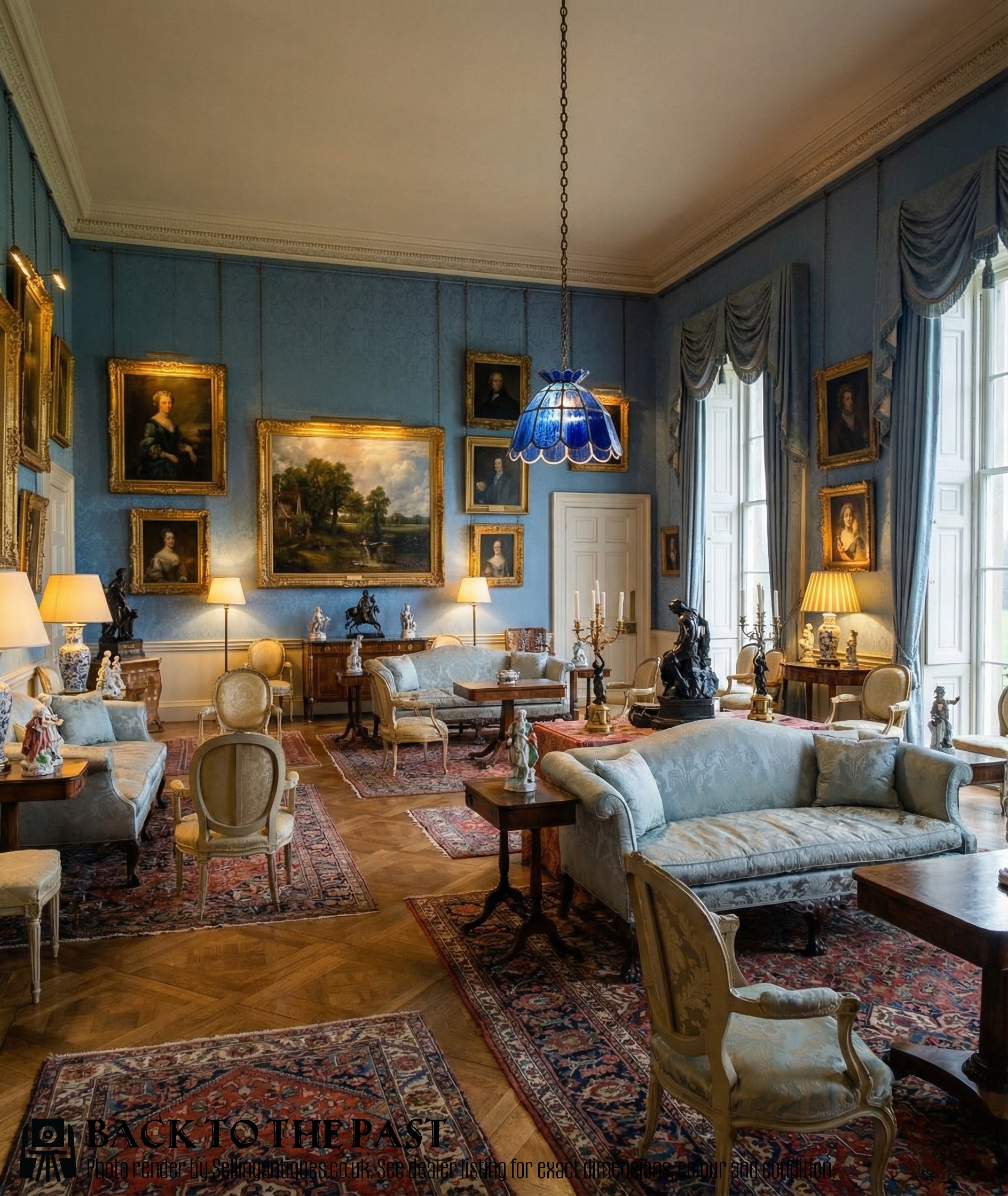
Arts Crafts Glass Shade
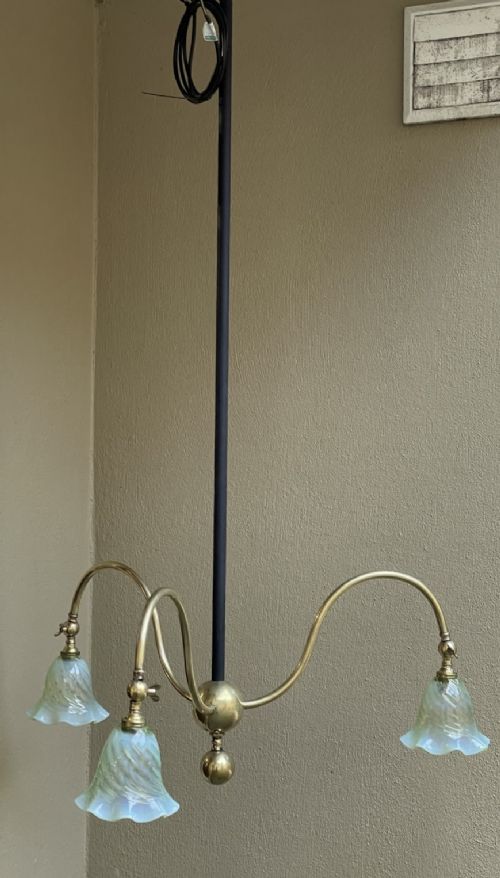
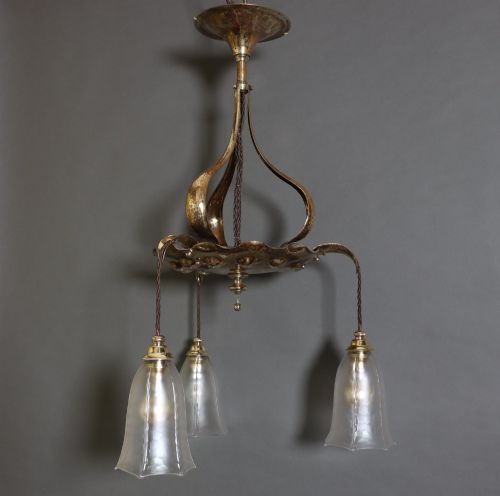
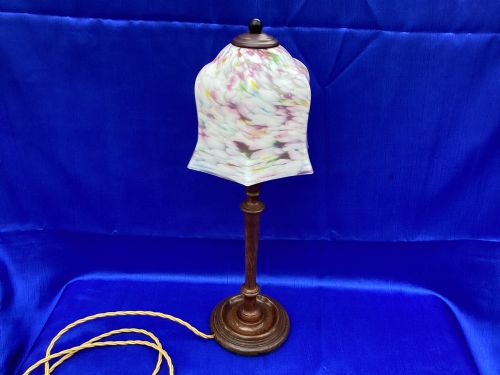
When you search for arts crafts glass shade, you find lighting fixtures and components rooted in the Arts and Crafts and Art Nouveau movements, spanning from the late nineteenth century through the 1920s. These pieces range from ceiling lights and pendant bowls to wall sconces and table lamps.
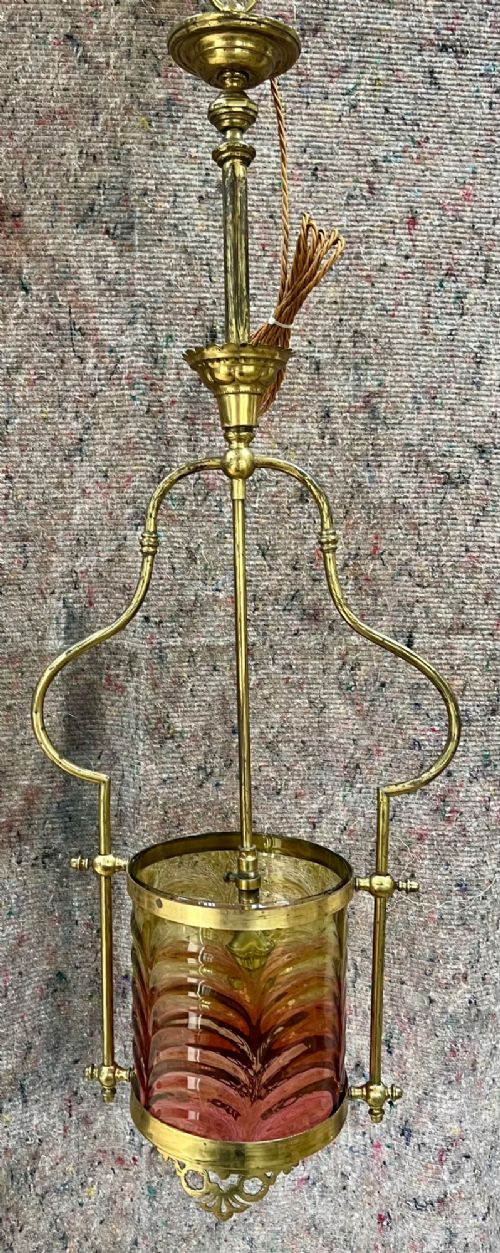
The selections on this page most commonly feature brass, copper, and patinated metal paired with opalescent, stained, or leaded glass. You will also encounter specific forms such as porch lanterns, oil lamps, and reading lamps from the Edwardian and Victorian periods.
How They Were Made
Maker's hands shaped these items using durable metals like brass, copper, and lead alongside versatile glass varieties including opalescent and stained glass. Metalwork often shows visible hammering or beaten textures that emphasise manual production over factory uniformity.
Glass elements were cast, blown, or leaded together to catch and soften light effectively. Combinations of patinated metal and coloured glass created robust fixtures designed for both oil and early electric illumination.
Vaseline glass shades hide a bright secret, glowing an unexpected lime green the moment a UV light hits them.
What Varies in Quality
Quality rests in the weight of the metal gauge and the depth of the hand-finishing on surfaces like patinated brass and beaten copper. Superior examples show careful attention to structural joinery and harmonious proportions between the metal frame and the glass shade.
The character of the glass itself defines the upper tier, particularly where opalescent, cranberry, or vaseline glass displays rich colour variation and skilful leading. Original matched components and intact patination elevate a piece above standard utility items.
The Arts Crafts Glass Shade Glossary
- Opalescent Glass
- Glass that has a milky, translucent appearance, often showing shifting tones of colour when lit from within. It diffuses light gently without harsh glare.
- Leaded Glass
- Small pieces of glass joined together with lead cames to form geometric or pictorial patterns. This technique provides structural strength for panels and shades.
- Patinated Metal
- Metal treated with chemicals or heat to produce a stable, decorative surface colour and finish. It protects the base metal while adding visual depth.
- Vaseline Glass
- Glass containing uranium dioxide that glows a bright greenish-yellow under ultraviolet light. It appears in transparent yellow or greenish shades in normal daylight.
Arts Crafts Glass Shade: Frequently Asked Questions
What periods do these shades come from?
The listings span from the late nineteenth century through the Edwardian era up to the 1920s. Most pieces align with the height of the Arts and Crafts movement and early twentieth-century design.
Production methods during these decades relied heavily on manual metalwork and specialised glass production techniques.
How do I clean an antique glass shade?
Wash the glass gently using warm water and a mild detergent, supporting any leaded joints carefully. Avoid harsh scrubbing that might damage patinated metal or delicate surface finishes.
Dry thoroughly with a soft cloth before reassembling or rehanging the light fitting.
Were these shades made for gas or electricity?
Many surviving fixtures originated during the transition from oil and gas lighting to electric power. You will find items that retain original oil lamp reservoirs alongside those adapted for electric bulbs.
Rewiring older metal frames requires modern electrical components to ensure safety in contemporary homes.
How do I identify Arts and Crafts metalwork?
Look for visible tool marks, such as hand-beaten surfaces on copper and brass, which show the maker's hand. Designs typically favour structural honesty and simple, utilitarian forms over excessive ornamentation.
Materials are left with natural patinations rather than high-gloss factory platings.