


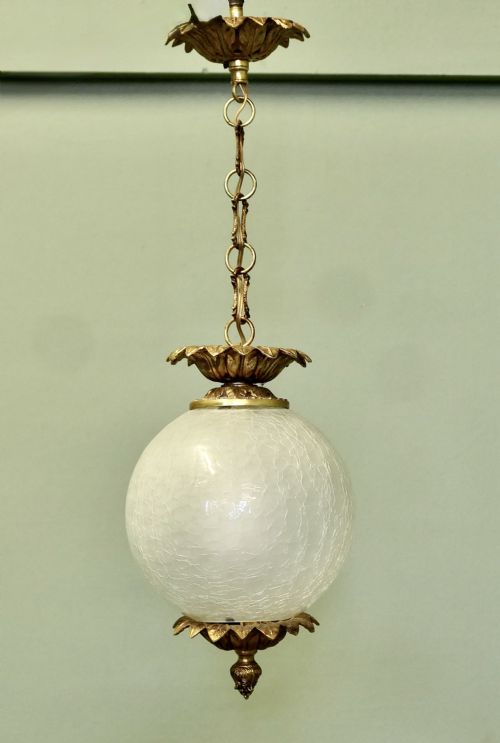
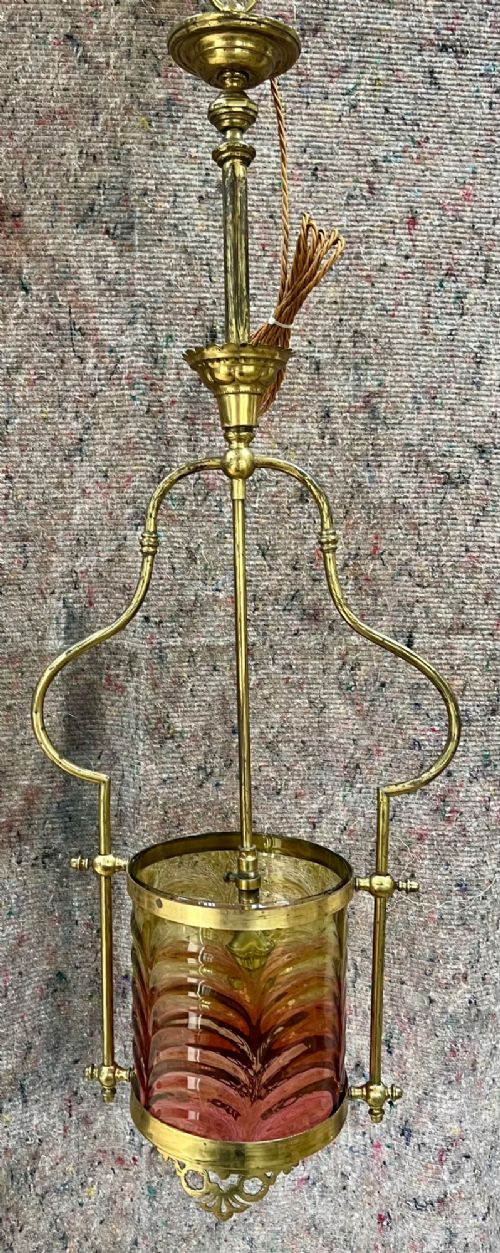
Hanging Glass Ceiling Fixture
A hanging glass ceiling fixture brings focused illumination and period character to hallways, stairwells and principal rooms.
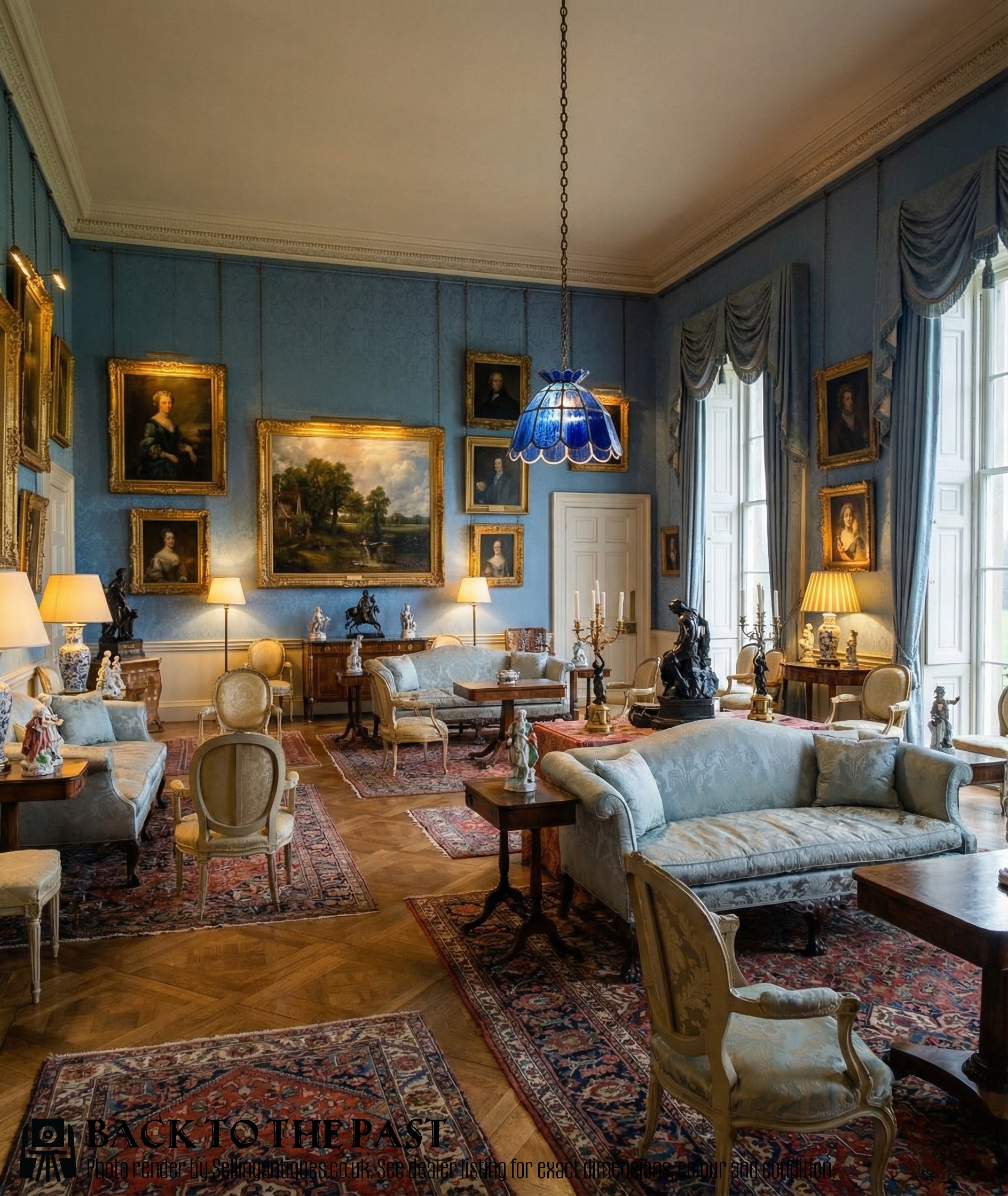
Hanging Glass Ceiling Fixture
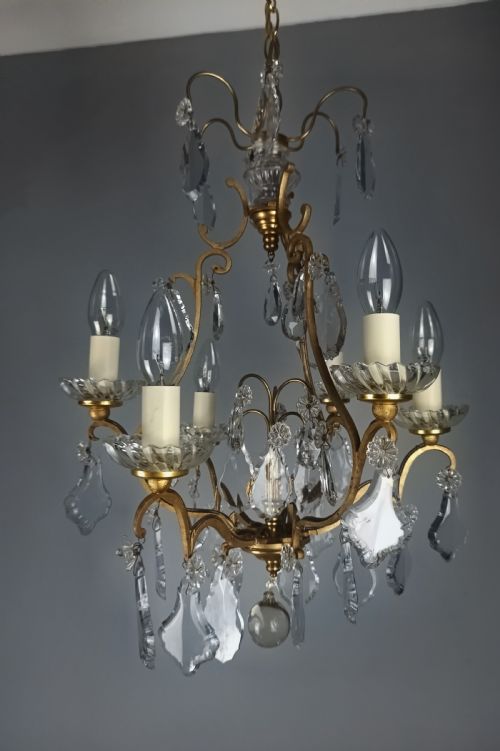
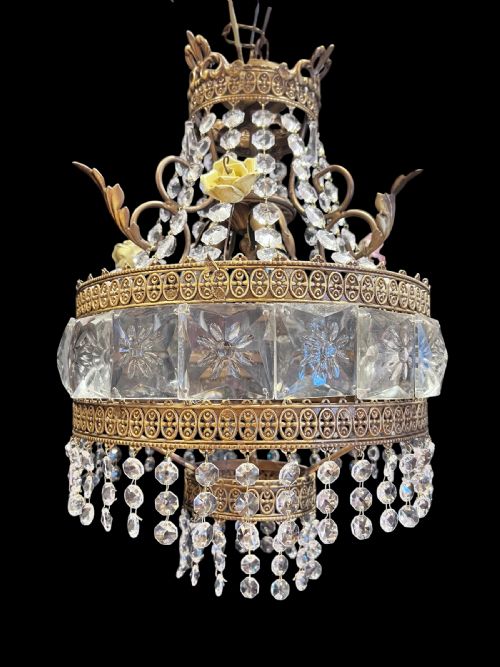
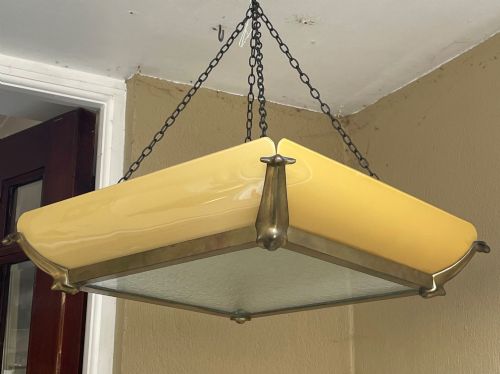
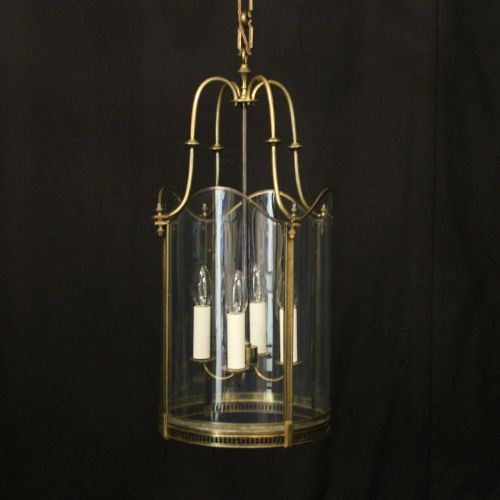
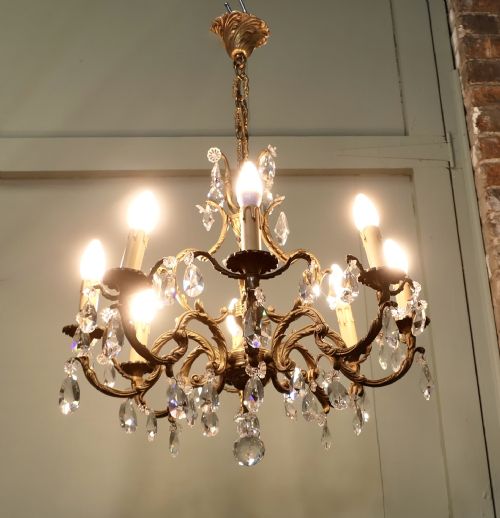
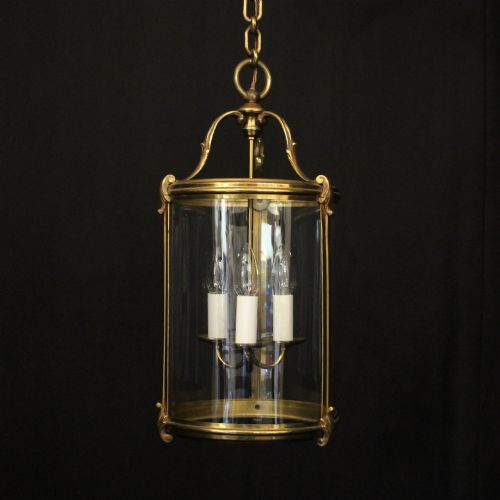
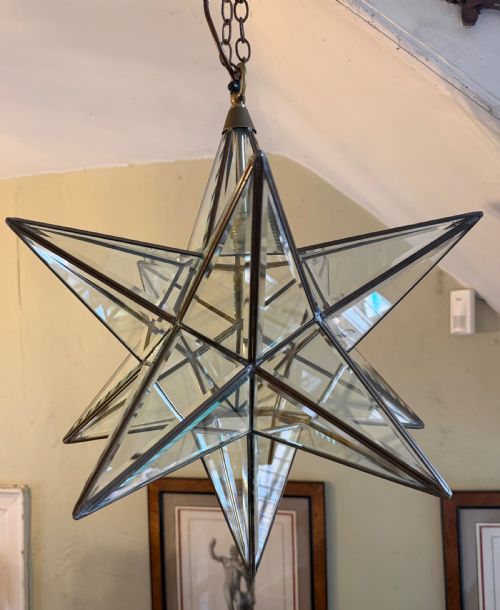
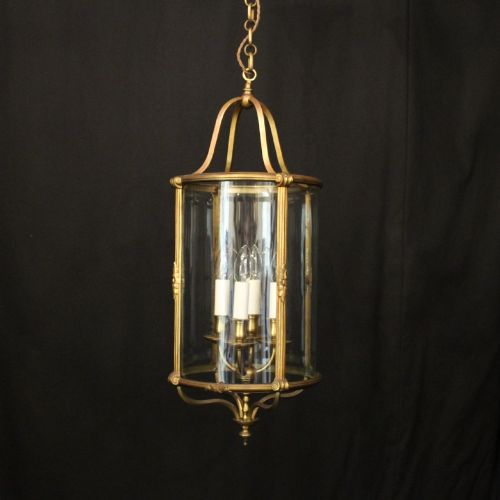
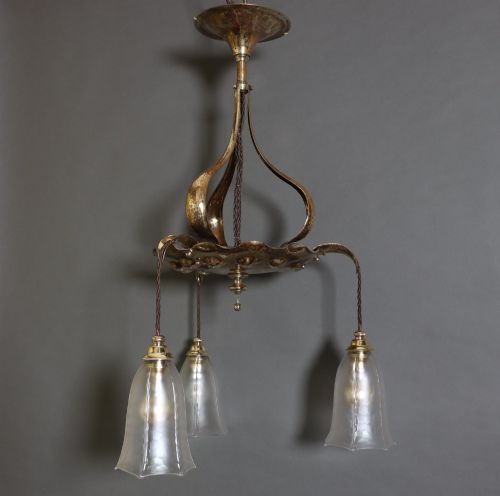
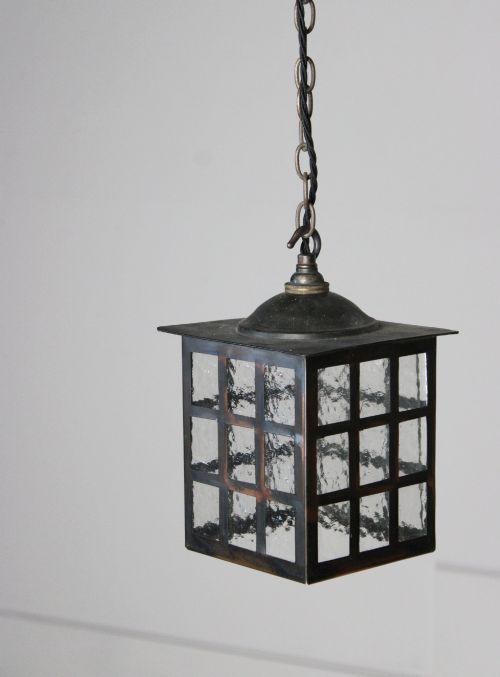
A hanging glass ceiling fixture encompasses chandeliers, pendant lights, hall lanterns and plafonniers originating from the Victorian era through the 1930s. Buyers searching for a hanging glass ceiling fixture frequently encounter French lanterns, English moonstone lights and multi-light chandeliers.
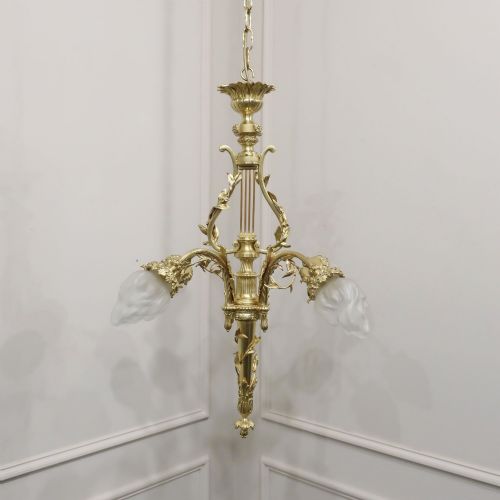
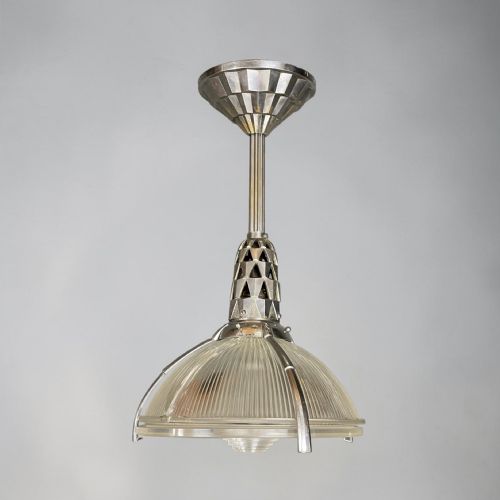
The selection ranges from 19th century brass-framed examples to 1930s Art Deco glass globes and industrial pendants. Pieces frequently showcase regional characteristics, including Italian crystal chandeliers and French gilt bronze frames.
Makers and designers of note include Émile-Jacques Ruhlmann, whose pendant light represents the refined output of the period. Styles span French Neoclassical, Arts and Crafts and Victorian designs.
Materials and construction methods
Frames are constructed from brass, gilt bronze, copper and metal, holding panels of bevelled, leaded stained, or cut glass. Crystal lustres, drops and coloured crystals are suspended from metal armatures using wire or pins.
Glass components include opaline, moonstone, hand-painted shades and moulded globes produced during the late 19th and early 20th centuries. Metalwork involves casting, gilding and soldering to form secure structures for interior and porch lighting.
Some Edwardian porches still rely on Moravian star lanterns to guide visitors safely through the evening gloom.
Judging quality in period lighting
Quality rests in the weight of the metal casting, the clarity and depth of the cut or moulded glass, and the integrity of the frame construction. Heavier brass and gilt bronze mountings with crisp chasing represent superior manufacture.
The presence of original crystals, hand-painted details and intact leaded or bevelled glass panels distinguishes finer examples from standard production. Structural rigidity in the suspension points and lantern frames indicates careful original craftsmanship.
Émile-Jacques Ruhlmann
The Hanging Glass Ceiling Fixture Glossary
- Plafonnier
- A ceiling light fixture mounted flush or close to the ceiling, often featuring a bowl-shaped glass shade. These direct light downwards into hallways and smaller rooms.
- Lustre
- A cut glass pendant or teardrop hung from a chandelier or lantern to reflect illumination. They catch and disperse light across the room.
- Hall lantern
- An enclosed hanging light designed specifically for entrance halls and corridors. They frequently utilise bevelled or convex glass panels set in a metal frame.
- Moonstone glass
- An opalescent, milky glass type popular in early 20th century English lighting. It softens bulb glare and diffuses a gentle glow.
- Toleware
- Painted or lacquered sheet metal used for decorative components on chandeliers and lanterns. It introduces coloured accents to the metal framework.
Hanging Glass Ceiling Fixture: Frequently Asked Questions
Where should I hang a glass lantern?
These lanterns suit entrance halls, high-ceilinged corridors and stairwells where their enclosed frames direct light cleanly downward.
Ensure adequate clearance beneath the fixture for foot traffic while placing it high enough to command the space.
How do I date a brass and glass light?
Examine the construction methods, screw types, wiring channels and stylistic motifs to determine the era. Victorian and Edwardian pieces often employ heavy cast brass and hand-soldered lead work, while 1930s fixtures lean towards streamlined geometric forms.
Comparing the glass shade techniques, such as moonstone or opaline finishes, also clarifies the period of manufacture.
Can these antique lights use modern bulbs?
Most period fixtures accommodate modern LED or standard bulbs once checked by a qualified electrician. Rewiring is frequently necessary to meet current safety standards while retaining the original sockets where possible.
Consult a professional to ensure the fitting handles modern electrical loads safely.
What is the difference between a pendant and a chandelier?
Pendant lights typically suspend a single shade, globe or lantern from one drop rod or cord. Chandeliers feature branched metal armatures designed to hold multiple light sources and crystal arrays.
Chandeliers project broader illumination across formal rooms, whereas pendants offer more concentrated downward lighting.