

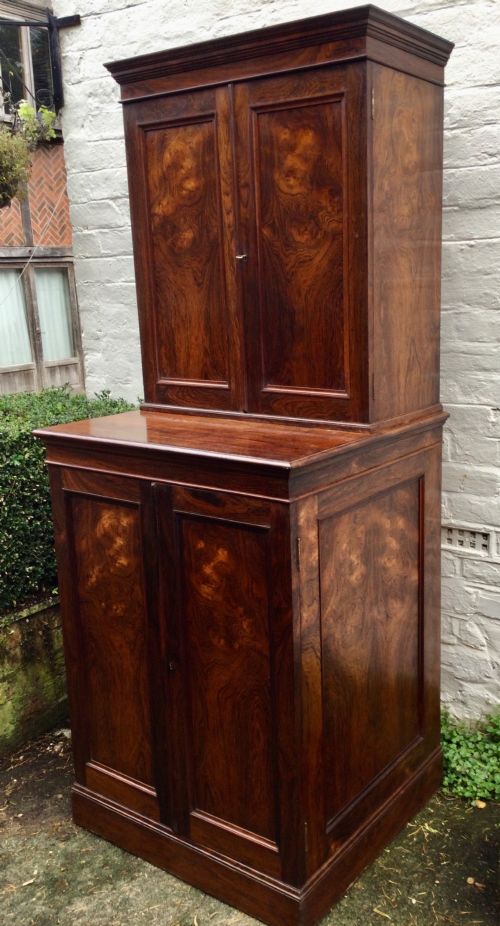
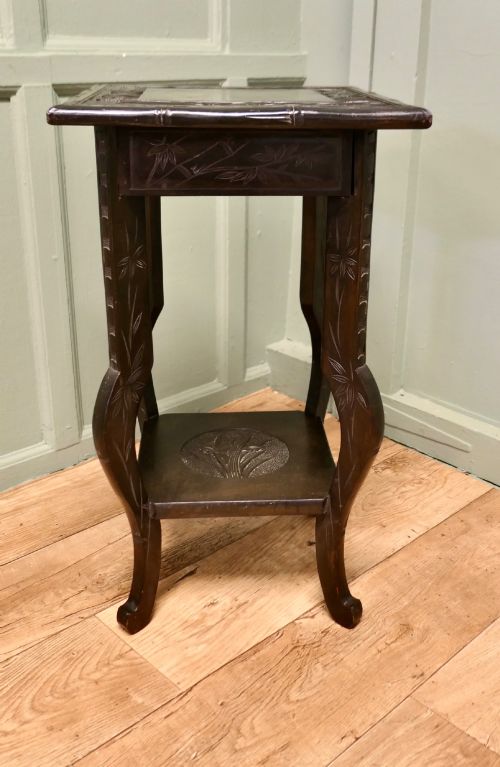
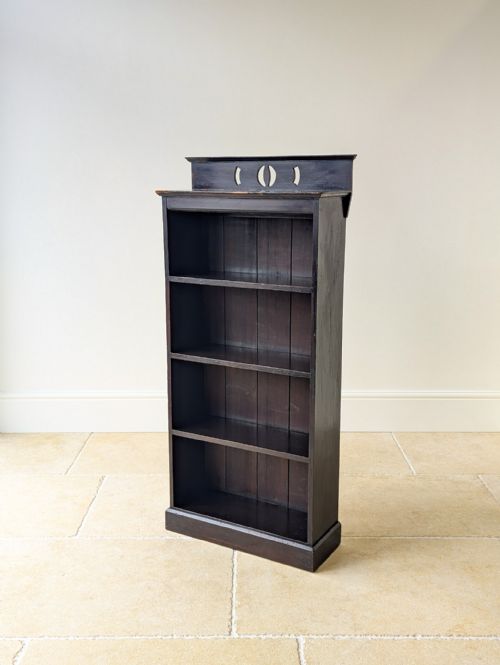
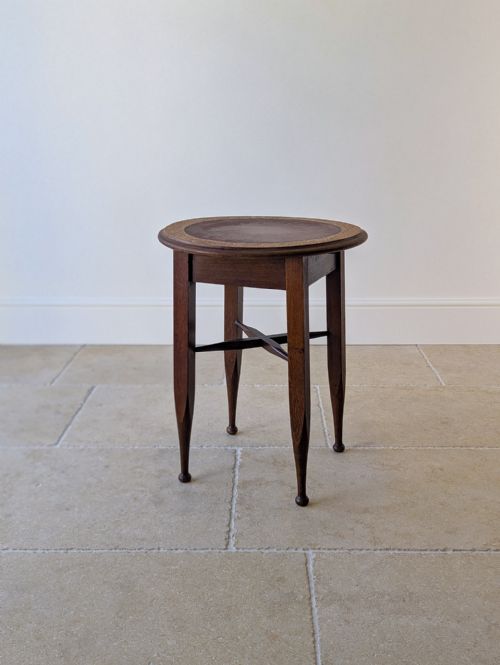
Arts Crafts Furniture Stand
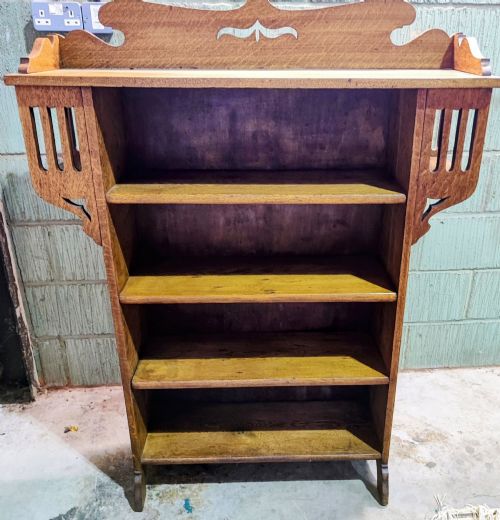
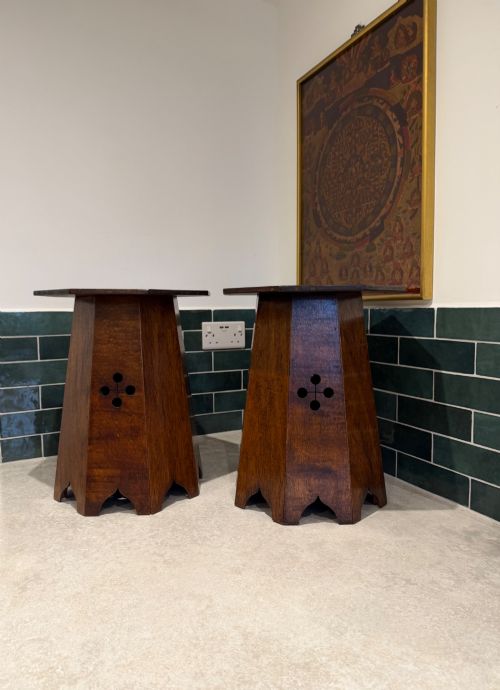
These arts crafts furniture stands bring solid construction and utility to a hallway or corner.
Arts Crafts Furniture Stand
When you search for an arts crafts furniture stand, you enter a domain of practical timber pieces designed for everyday domestic use. These items serve specific household purposes, holding umbrellas, walking sticks, plants, or books in a hallway or living space.
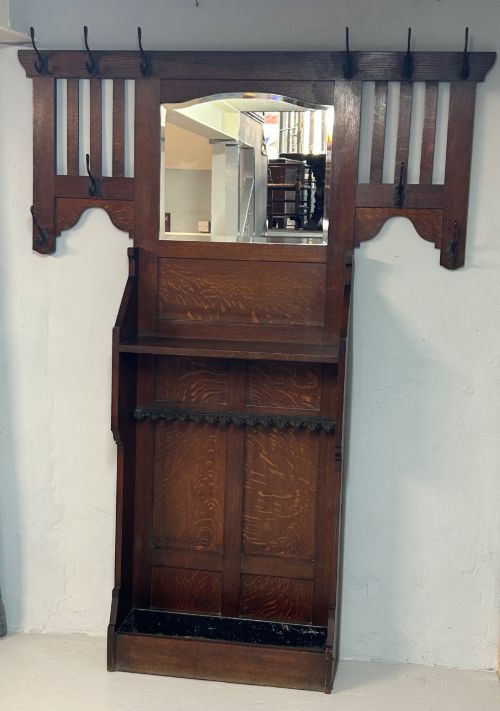
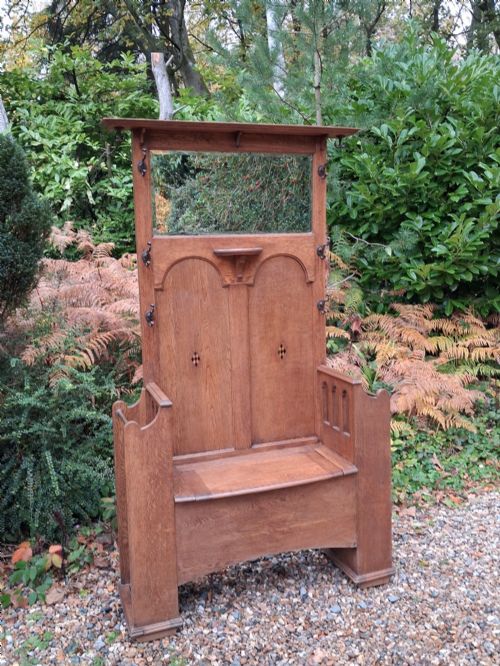
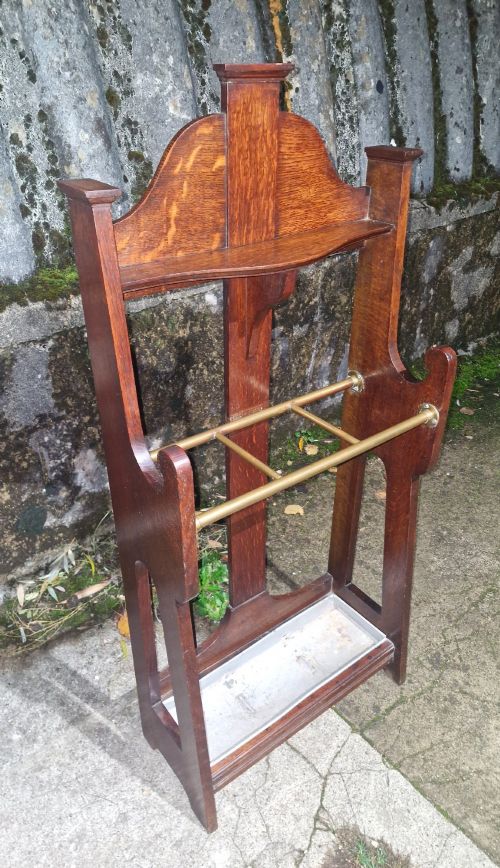
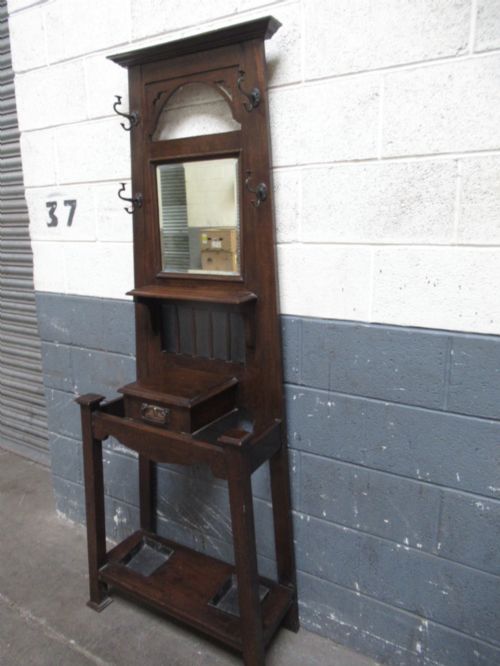
The version you are most likely to meet on this page is constructed from oak, often taking the form of an umbrella stand, stick stand, hall stand, or plant stand. The pieces span from the late Victorian era through the Edwardian period into the 1930s, reflecting the enduring utility of the design.
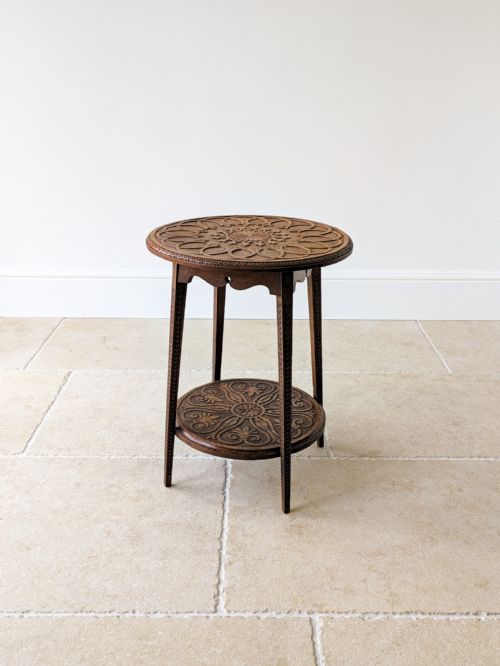
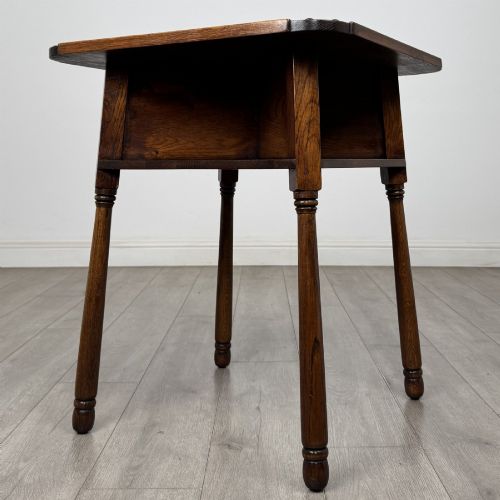
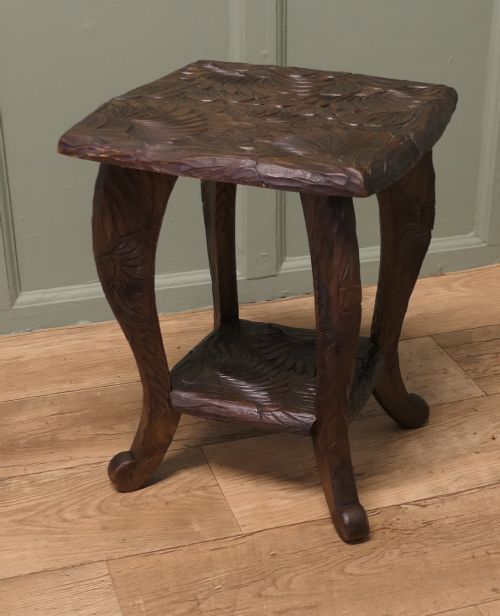
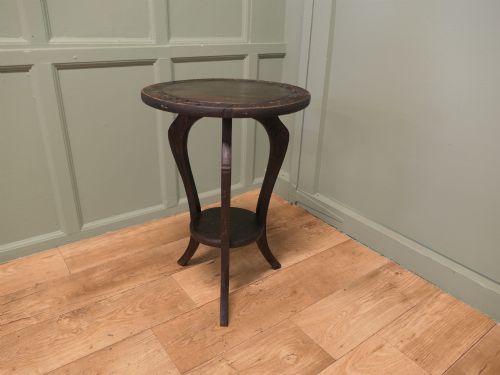
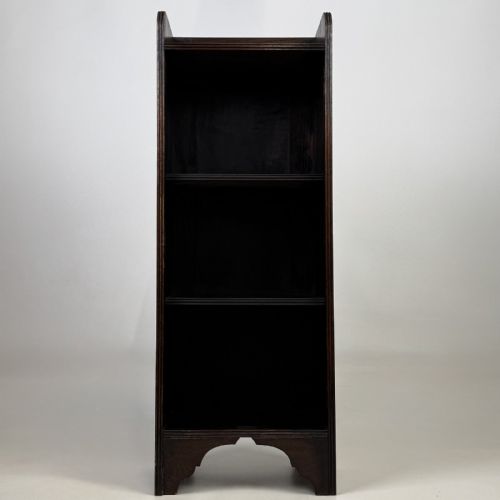
Makers and designers from London, Glasgow, and the Cotswolds produced these furnishings using straightforward forms. The objects range from multi-tiered occasional tables and bookstands to dedicated hallway furniture with integrated hooks and panels.
How they were made
Makers relied heavily on solid oak, supplemented by mahogany, walnut, satinwood, beech, and wood inlay for surface decoration. Structural strength came from honest joinery, visible construction methods, and sturdy timber frames suited to daily wear.
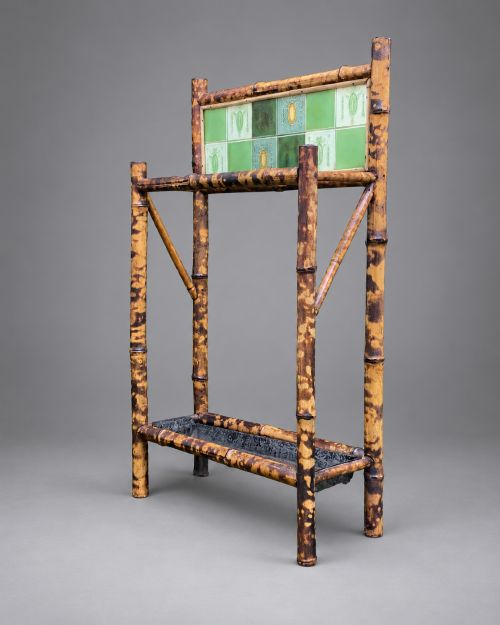
Decorative elements included chip carving, glazed ceramic tiles, and cast iron components. Metal fittings in brass appeared on umbrella stands and hall furniture to handle damp items without degrading the surrounding timber.
Makers incorporated multi-tiered designs and specialised shelving into occasional tables, plant stands, and music cabinets. The integration of ceramic tile tops on tables provided a durable, heat-resistant and moisture-resistant surface for plants or tea.
Arts Crafts Furniture Stand Retail Price Guide 2026
Typical asking prices for arts crafts furniture stand among the pieces listed under this phrase on Sellingantiques today, from the lower quarter to the upper quarter. They describe what is for sale here now, not the wider market.
Listings feature oak as the dominant material across umbrella stands, bookcases, and occasional tables from the Edwardian era.
What varies in quality
The distinction between standard commercial output and superior work rests on the caliber of the timber selection and the rigour of the joinery. Workshop pieces attributed to known designers or prominent retailers exhibit greater attention to detail in their carving and inlay.
Construction methods reveal the tier of the piece, with hand-tooled surfaces, thoughtful proportions, and integrated metalwork separating bespoke studio furniture from mass-produced factory items.
The integration of specialised decorative elements, such as hand-painted tiles or distinct regional styling from the Glasgow or Cotswold schools, elevates an everyday utility object into a deliberate artistic statement.
Liberty & Co.·Shapland & Petter·GM Elwood for JS Henry·William Birch·Stanley Webb Davies·Wylie Lochhead of Glasgow·E.A. Taylor·Archibald Knox·Heals of London
The Arts Crafts Furniture Stand Glossary
- Arts & Crafts
- A design movement emphasising handcraftsmanship, simple forms, and traditional guild methods over mass production.
- Edwardian
- A historical period spanning the reign of King Edward VII, characterised by lighter and airier furniture designs than heavy Victorian styles.
- Cotswold School
- A regional English design tradition rooted in Gloucestershire, focusing on solid wood construction and visible hand tool marks.
- Glasgow School
- A creative circle associated with Scottish art and architecture, known for distinct linear forms and stylized decorative motifs.
- Hall Stand
- A piece of hallway furniture combining a mirror, coat hooks, umbrella wells, and a small bench or glove box.
Arts Crafts Furniture Stand: Frequently Asked Questions
What is an arts crafts furniture stand?
An arts crafts furniture stand is a practical wooden furnishing created during the late nineteenth or early twentieth century to hold items like books, plants, or umbrellas.
These pieces emphasise honest construction, sturdy timber, and straightforward utility over excessive ornamentation.
Where should I place a hall stand?
A hall stand belongs in an entryway or hallway where guests arrive and outdoor garments are removed.
Its hooks, mirror, and umbrella wells provide immediate organisation for coats, hats, and walking sticks.
How do I care for oak furniture?
Keep oak furniture away from direct heat sources and sudden temperature shifts to prevent the timber from drying out or splitting.
Apply a natural wax polish occasionally to nourish the grain and maintain a soft protective finish.
What is the Cotswold School?
The Cotswold School is a twentieth-century woodworking tradition that prioritised traditional hand-tool techniques and solid timber construction.
Pieces from this movement show an appreciation for the natural grain and honest structural joints.