
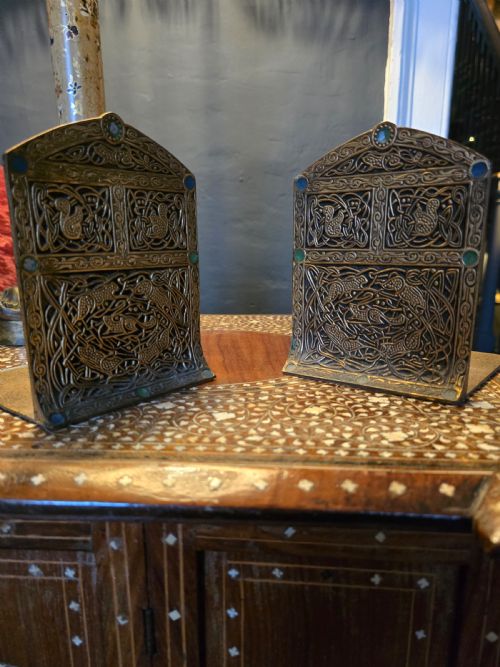


Arts Crafts Desk Accessories
These arts crafts desk accessories bring honest materials and hand-finished work straight to your writing table.
Arts Crafts Desk Accessories
When you search for arts crafts desk accessories, you encounter functional items built to bring utility and simple design to the writing table. The pieces span periods from the late Victorian and Edwardian eras into the early decades of the twentieth century, capturing the transition from ornate revivalism to cleaner, purposeful forms.
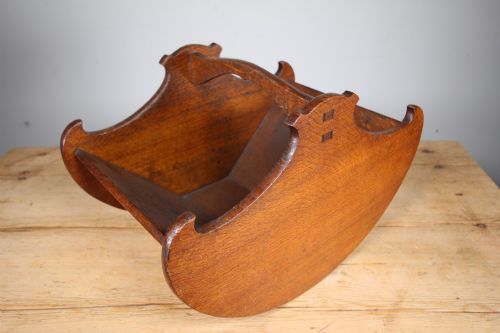
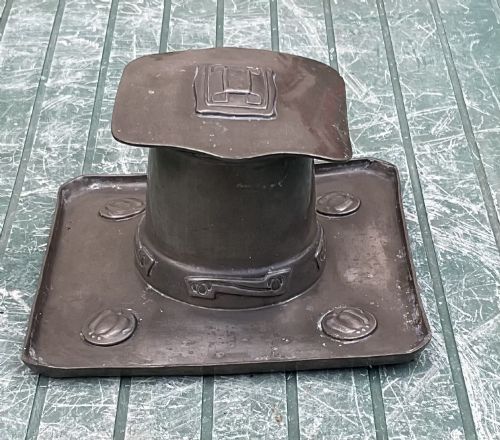
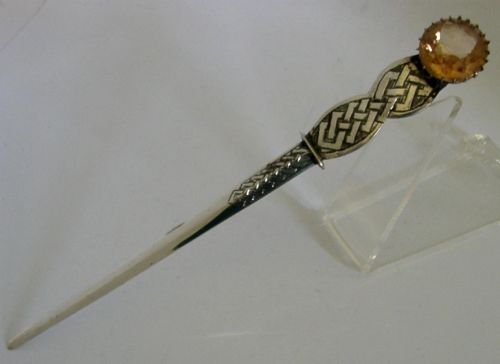
You are most likely to meet oak book troughs, pewter inkwells, sterling silver letter openers, and copper letter racks on this page. These functional objects range from simple provincial woodwork to sophisticated silver and enamel presentation items.
The regional variety is wide, taking in English oak work, Scottish silver, Tudric pewter, and American gilt bronze. Each item reflects the movement's core philosophy of honest construction and visible craftsmanship applied to everyday stationery.
How they were made
Makers shaped these desk accessories using traditional hand-working techniques applied to solid timber, sheet metal, and cast alloys. Oak and bamboo provide the structure for boxes and bookends, often enhanced with pokerwork decoration or structural pegged joints.
Metalwork forms a significant portion of the selection, utilising sterling silver, gilt bronze, copper, and Tudric pewter. Artisans hammered, chased, and cast these metals, frequently incorporating naturalistic motifs and inset cabochons such as citrine.
Enamel work and glass elements add colour and texture to silver and pewter frames, while simple textile linings or wooden dividers organise stationery inside boxes and racks.
The listings on this page span several decades, featuring pieces from the Victorian and Edwardian eras through the nineteen-twenties, thirties, and forties.
What varies in quality
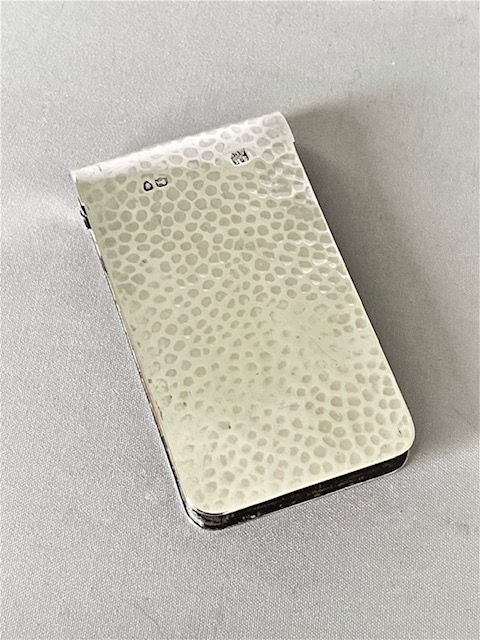
The distinction between standard commercial output and the finest workshop production lies in the handling of the material. Superior pieces display crisp hand-hammering, clean joinery, and thoughtful proportions that elevate a simple utility object into a work of applied art.
Makers' marks and original labels separate unsigned provincial items from fully documented pieces associated with known guilds and studios. The presence of original fitted components, such as glass inkwell inserts or matching keys, preserves the integrity of the design.
Design ambition also dictates quality, moving from plain functional timber boxes to intricate architectural forms, bespoke presentation folding chairs, and sculptural bookends featuring cast metal or bamboo.
Arthur Simpson·Archibald Knox·Liberty·Sampson Morden·Tiffany Studios
The Arts Crafts Desk Accessories Glossary
- Tudric Pewter
- A trade name used by Liberty & Co. for a high-grade pewter alloy often associated with Archibald Knox designs. This material allowed for the crisp casting of organic and Celtic revival motifs.
- Pokerwork
- A decorative technique using a heated tool to burn designs into wooden surfaces. It appears frequently on Victorian and Edwardian stationery boxes and desktop tidies.
- Book Trough
- A small portable shelf designed to hold a handful of volumes upright on a desk or table. These items usually feature wooden ends and simple base boards.
- Cabochon
- A gemstone shaped and polished rather than faceted. Citrines and other stones were frequently set into silver and pewter metalwork during the period.
Arts Crafts Desk Accessories: Frequently Asked Questions
How were inkwells used?
Inkwells held liquid ink safely on the desk for daily correspondence with dip pens. They usually featured a hinged lid to prevent the ink from drying out.
Many examples include a removable glass or ceramic insert inside a metal or wooden housing for easy cleaning.
How do I identify a period piece?
Period pieces display construction methods, materials, and stylistic motifs characteristic of workshops operating between the late Victorian era and the nineteen-forties. Look for hand-beaten metal surfaces, pegged oak joints, and period hallmarks.
Makers' stamps, engraved signatures, and original retail labels also help confirm the date and origin.
How should I care for pewter items?
Pewter requires gentle cleaning with mild soap and warm water, followed by thorough drying with a soft cloth. Avoid aggressive metal polishes that can strip the historic surface.
Store pieces away from damp environments to prevent oxidation and pitting on the metal.