



Arts and Crafts Wood
Arts and crafts wood brings honest construction and simple utility into daily rooms through sturdy tables, oak cabinets, and seating.
Arts and Crafts Wood
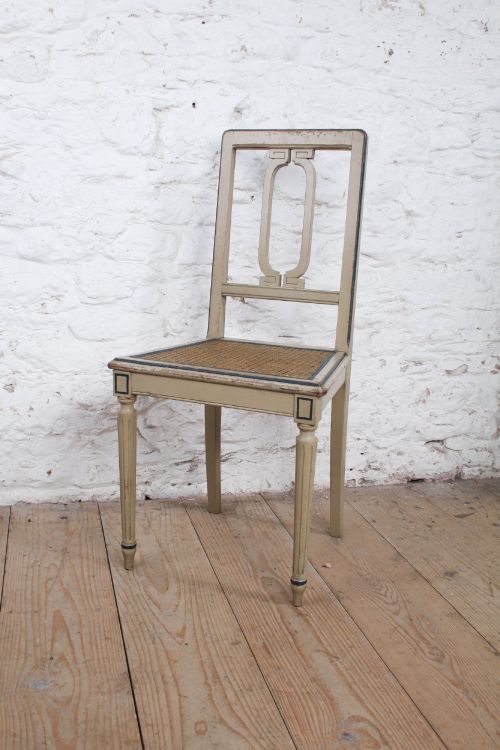
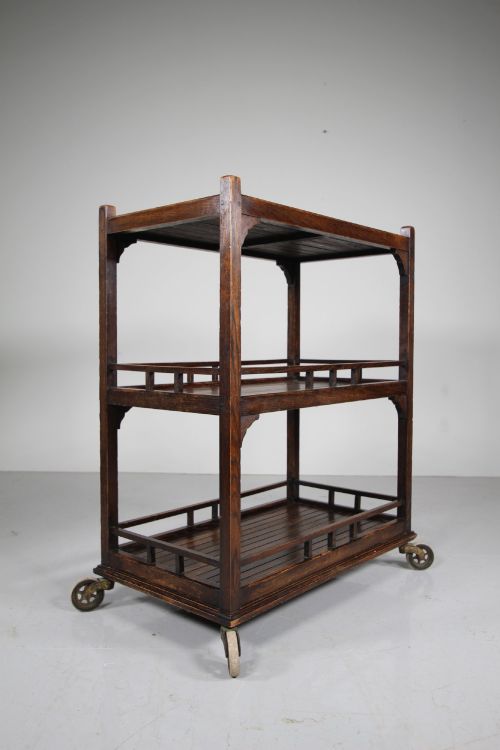
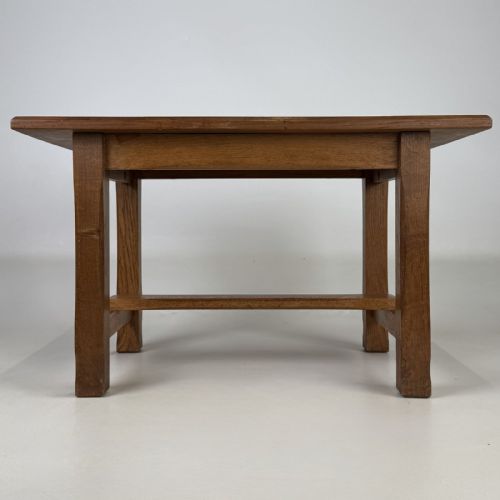
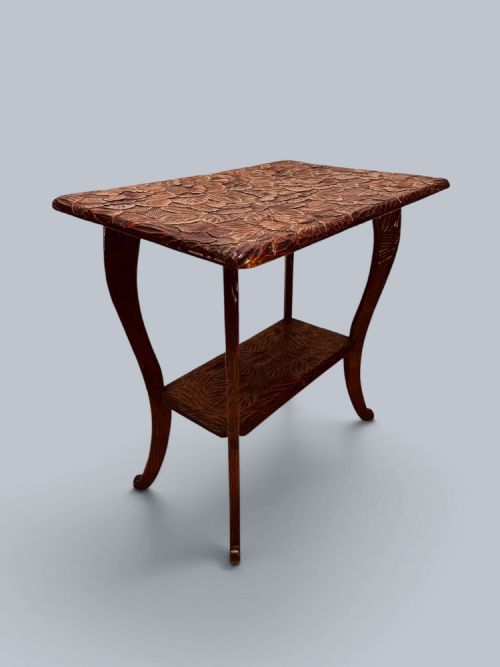
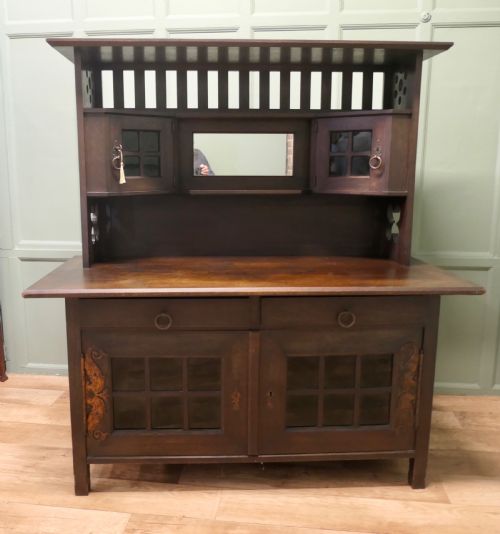
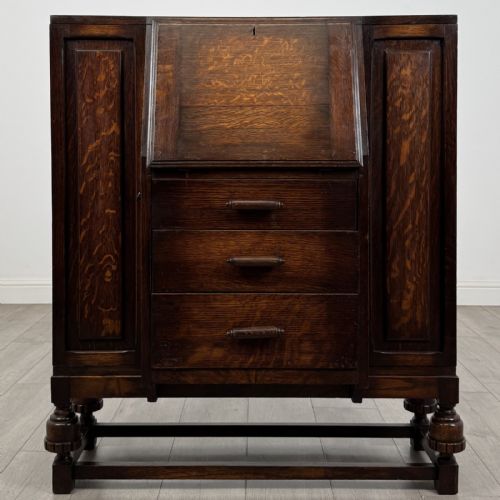
When you search for arts and crafts wood, you encounter furniture built during the late nineteenth and early twentieth centuries that prioritises straightforward construction over heavy ornamentation. The pieces on this page span side tables, bookcases, armchairs, and sideboards produced across several decades.
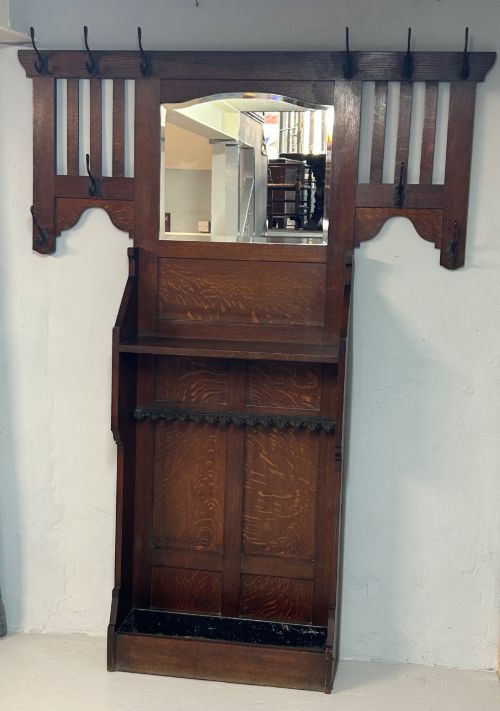
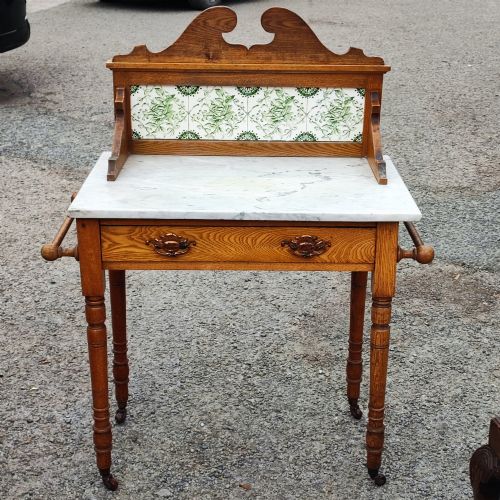
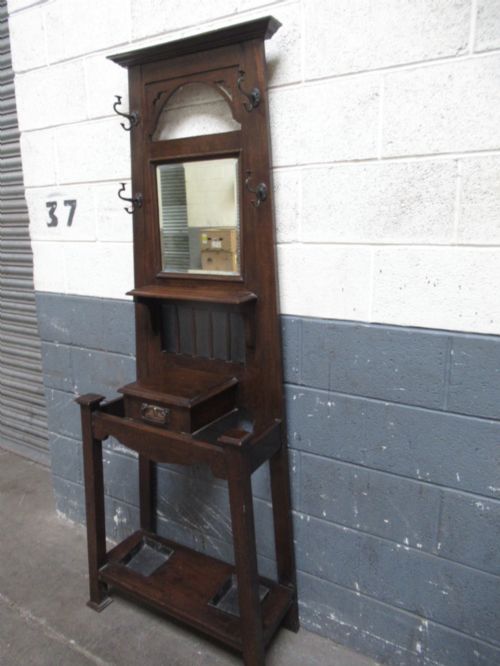
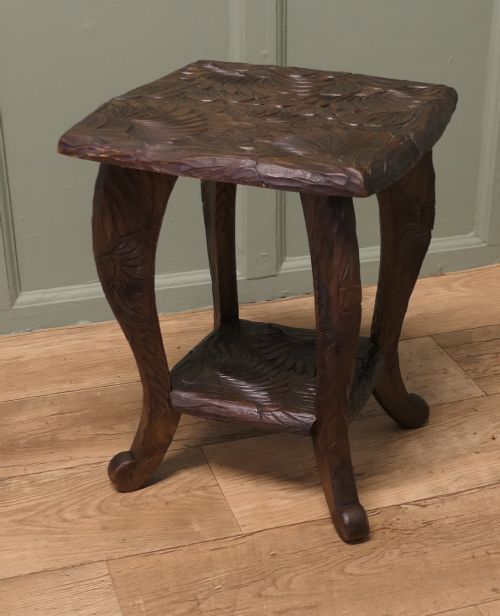
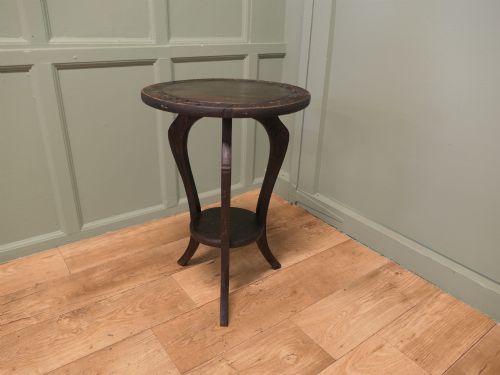
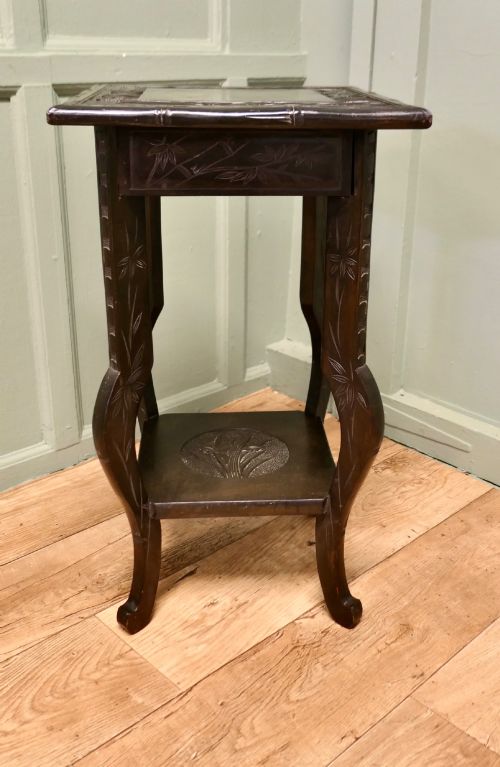
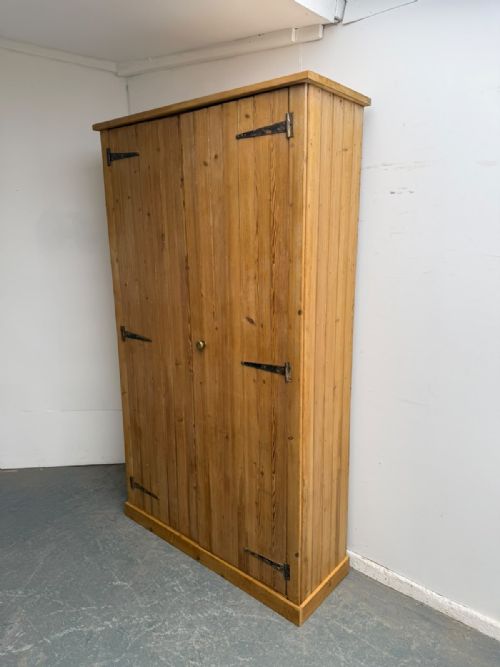
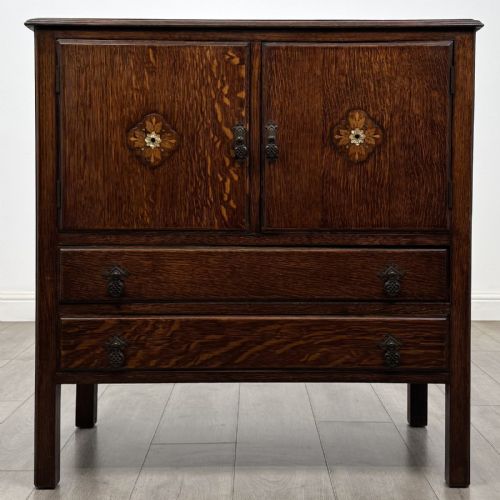
The version you are most likely to meet on this page is constructed from solid oak, often featuring straightforward joinery, panelled doors, or simple carved details. Forms range from occasional tables and umbrella stands to larger storage items like sideboards and display cabinets.
These items originate from a period spanning from the Victorian era through the Edwardian years up to the 1930s. Makers and designers associated with the movement produced domestic furnishings intended for practical use in everyday spaces.
How They Were Made
Makers utilised solid timbers such as oak, mahogany, walnut, elm, and ash, selecting woods with visible grain and natural warmth. Metal elements in brass or other metals appear as hardware, hinges, and handles, complementing the timber surfaces.
Construction techniques focused on solid joinery, mortise and tenon joints, and visible structural pins rather than concealed fixings. Surfaces often received wax finishes or ebonisation to enhance the natural texture of the wood.
Arts and Crafts Wood Retail Price Guide 2026
Typical asking prices for arts and crafts wood among the pieces listed under this phrase on Sellingantiques today, from the lower quarter to the upper quarter. They describe what is for sale here now, not the wider market.
A solitary sweet chestnut double bed waits among the oak.
What Varies in Quality
The quality of these wooden furnishings depends upon the selection of timber and the integrity of the joinery used by the maker. Selecting quartersawn oak or figured mahogany provided stability and enhanced the visual grain pattern across larger surfaces.
Design attribution to known workshops or specific designers elevates the standing of a piece within the movement. The refinement of hand-carved details, such as floral motifs or green man decorations, distinguishes standard utility items from more ambitious commissions.
Leonard Wyburd for Liberty·Shapland and Petter·GM Elwood for JS Henry·Stanley Webb Davies·Philip Webb for Morris
The Arts and Crafts Wood Glossary
- Purdonium
- A specialised cabinet designed for storing coal beside a fireplace, usually featuring an internal metal liner and a hinged lid.
- Sgabello
- A lightweight wooden chair with a high back and solid trestle supports, originating in the Renaissance and revived during later periods.
- Ebonised
- Wood treated with a dark stain or finish to imitate the appearance of ebony, frequently utilised in Aesthetic Movement and early modern designs.
- Stretcher base
- A system of horizontal wooden bars connecting the lower legs of a table, chair, or cabinet to provide structural rigidity.
- Gallery
- A raised wooden rim or rail running along the top edge of a shelf, table, or cabinet top to prevent items from sliding off.
Arts and Crafts Wood: Frequently Asked Questions
What defines arts and crafts furniture?
Arts and crafts furniture is defined by visible construction, solid timber construction, and an emphasis on functional design over excessive surface decoration.
Makers sought to revive traditional craftsmanship, often leaving dovetails, joints, and wood grain visible as part of the aesthetic appeal.
Where should I place a bookcase?
Open bookcases and display cabinets suit studies, living rooms, and hallways where books and decorative objects require accessible storage.
Ensure timber pieces are kept away from direct heat sources and strong sunlight to protect the wax finish and prevent wood movement.
How do I care for waxed wood?
Waxed wooden surfaces benefit from occasional applications of natural beeswax, applied lightly and buffed with a soft cloth to maintain the lustre.
Avoid using modern liquid polishes containing silicone, which can build up on the grain and alter the natural appearance of the timber.