



Arts and Crafts Oak Hall Stand
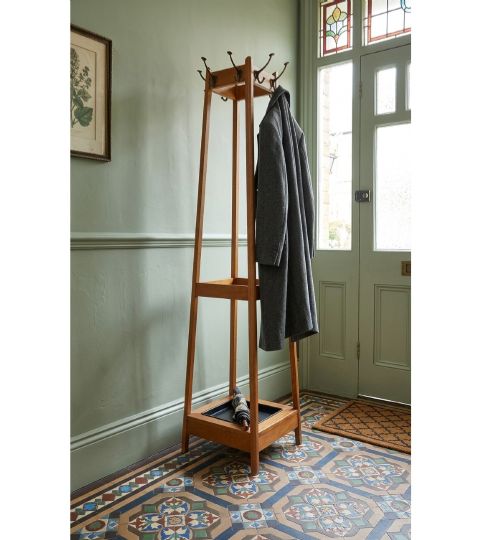
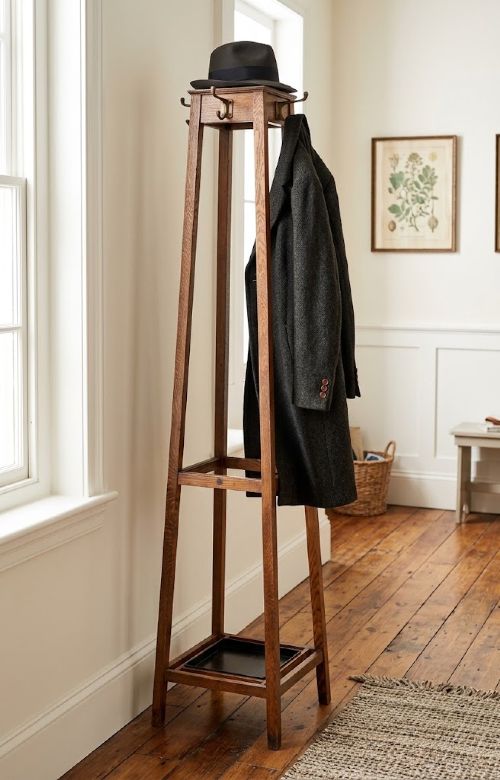
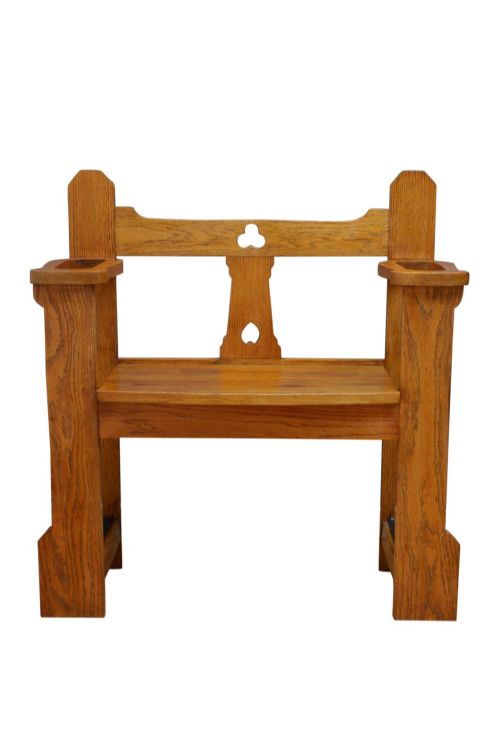
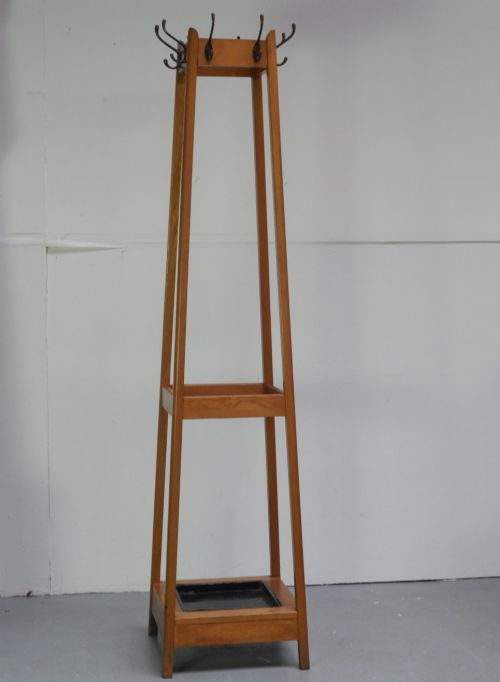
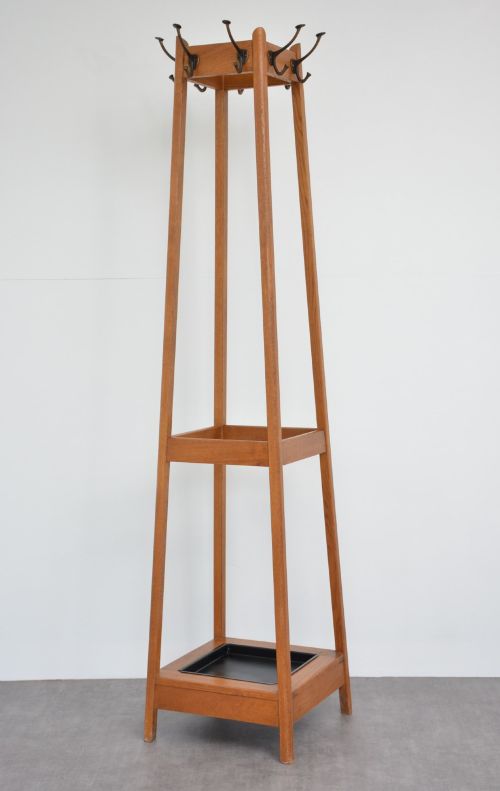
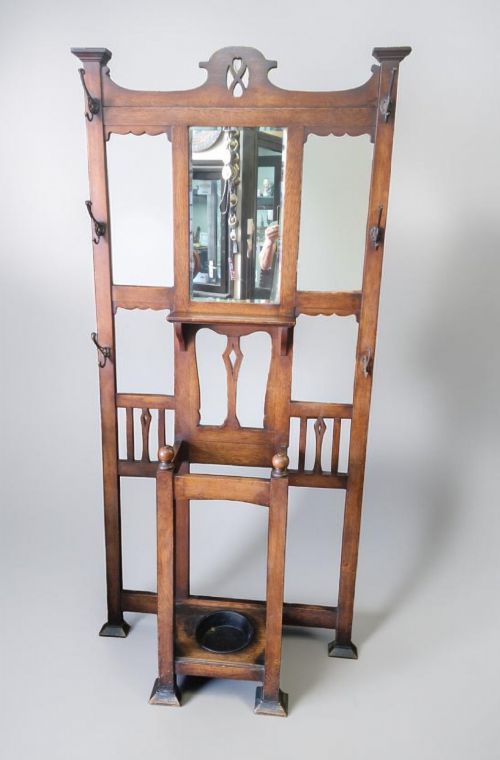
An arts and crafts oak hall stand brings functional utility and honest construction to an entryway, offering hat hooks, umbrella holders, and bench seating.
Arts and Crafts Oak Hall Stand
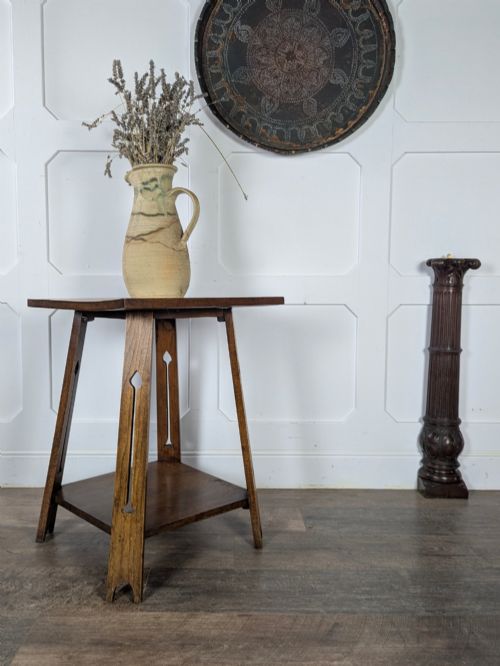
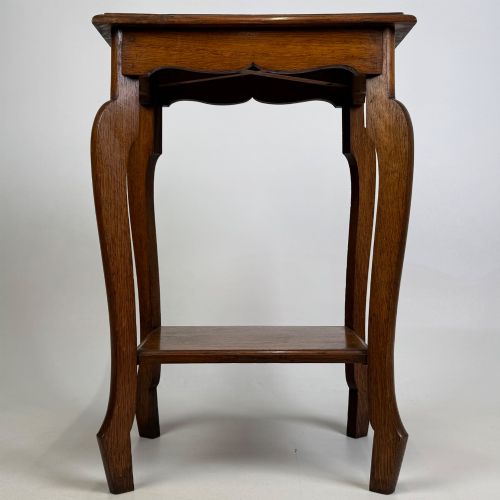
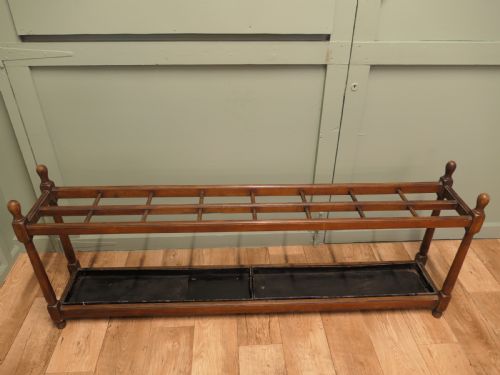
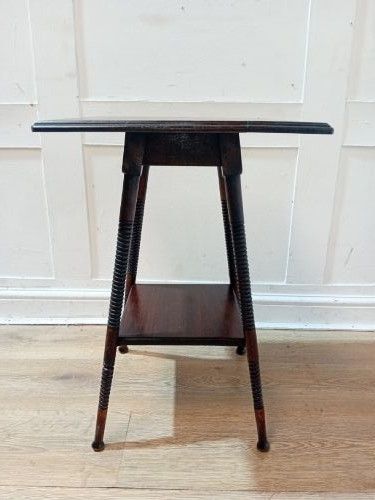
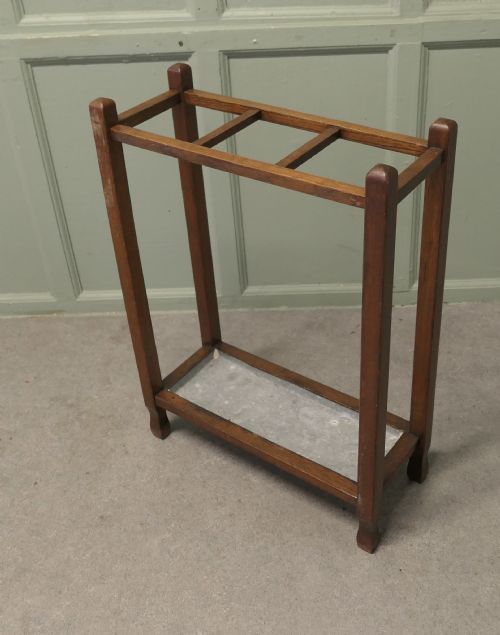
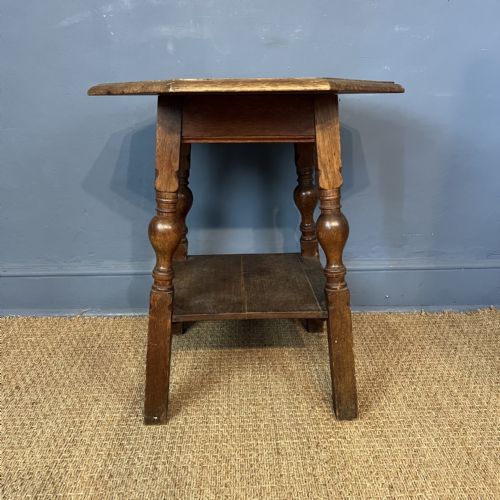
The pieces appearing on this page span several decades of production, incorporating styles from Late Victorian and Edwardian periods alongside distinct Arts and Crafts and Art Nouveau designs. Forms range from compact umbrella stands and side tables to tall hall robes, console and mirror combinations, and narrow benches with integrated storage.
Originating predominantly from British workshops and prominent retailers, these pieces reflect the domestic priorities of country houses and urban townhouses alike. Buyers frequently encounter golden oak finishes, solid timber construction, and utilitarian layouts intended to withstand daily use in a busy reception hallway.
How they were made
Carpenters utilised solid oak as the primary timber, often selected for its prominent grain and durability in high-traffic domestic environments. Workshops employed traditional joinery techniques, combining pegged mortise and tenon joints with sturdy framing to support the weight of heavy coats and wet umbrellas.
Functional metal components formed an integral part of the construction, featuring brass or cast iron coat hooks, integrated umbrella holders, and removable drip trays designed to catch moisture. Copper and brass details frequently appeared as decorative strapwork or hardware, aligning with the aesthetic principles of the movement.
Arts and Crafts Oak Hall Stand Retail Price Guide 2026
Typical asking prices for arts and crafts oak hall stand among the pieces listed under this phrase on Sellingantiques today, from the lower quarter to the upper quarter. They describe what is for sale here now, not the wider market.
Listings feature oak combined with metal, brass, iron, cast iron, glass, ceramic, and copper across the Arts and Crafts, Edwardian, and Victorian periods.
What varies in quality
Quality in these pieces rests upon the integrity of the timber selection and the restraint of the decorative scheme, distinguishing utilitarian mass production from bespoke workshop output. Finer examples exhibit carefully figured golden oak, harmonious proportions, and hand-finished metalwork rather than standard factory cast hardware.
Structural honesty and the preservation of original elements separate superior items from heavily altered survivors. Pieces that retain their original drip trays, mirrors, and hardware demonstrate a higher degree of completeness and historical fidelity.
Liberty and Co·Heals of London·William Birch·Hubert Simpson of Kendal·GW Evans·James Shoolbred
The Arts and Crafts Oak Hall Stand Glossary
- Arts and Crafts
- A design movement advocating for traditional craftsmanship, simple forms, and the use of natural materials. It emerged in the late nineteenth century as a reaction against industrial mass production.
- Hall Stand
- A multi-functional piece of furniture placed in an entranceway for storing outdoor garments and accessories. These items typically combine coat hooks, a mirror, glove boxes, and umbrella racks.
- Drip Tray
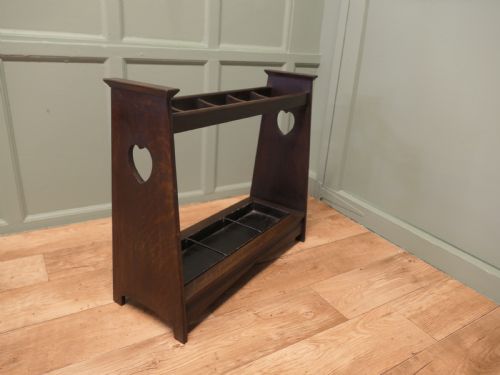
- A shallow metal basin placed beneath a stick or umbrella stand to collect moisture. They are frequently made from brass, copper, or cast iron.
- Side Table
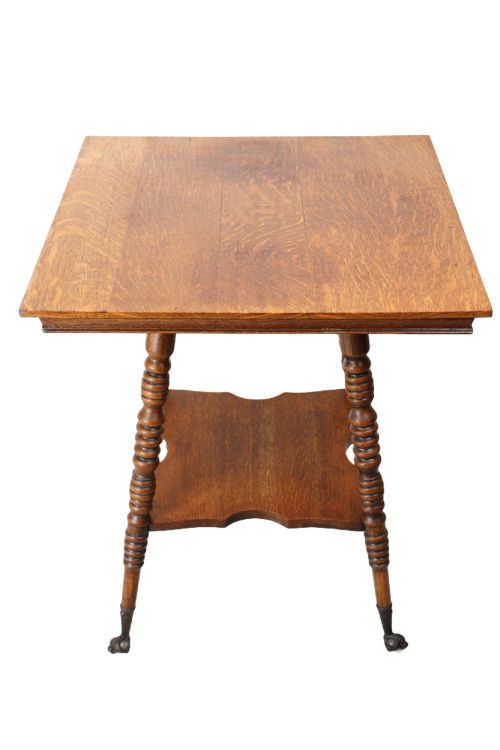
- A small occasional table positioned against a wall or in a hallway. In this context, they often feature lower tiers for hat storage or single drawers.
- Hall Robe
- A tall enclosed piece of furniture designed for hanging coats and storing shoes out of sight. They share the footprint of a traditional wardrobe but are scaled for narrow entrance spaces.
Arts and Crafts Oak Hall Stand: Frequently Asked Questions
How were umbrella stands used?
They provided a designated spot in the reception hall for wet walking sticks, canes, and umbrellas upon entering a home.
Metal drip trays positioned at the base protected wooden floors and carpets from pooling water.
How do I fit one in a hallway?
Many examples feature narrow proportions and flush backs specifically designed to sit against narrow corridor walls.
Measuring the clearance for coat hooks and opening umbrella sections ensures the piece does not obstruct movement.
How do I date an oak hall stand?
Dating relies on observing stylistic markers, hardware materials, and construction methods characteristic of periods from the eighteen eighties to the nineteen thirties.
Art Nouveau curves, Edwardian square legs, and Arts and Crafts strapwork provide key chronological clues.