
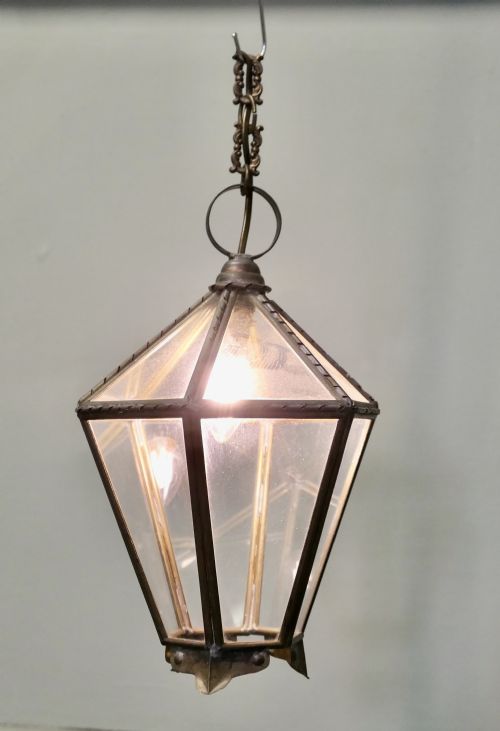
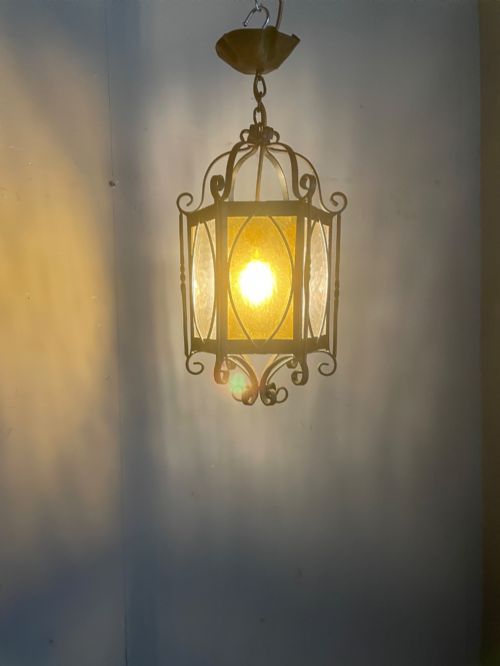
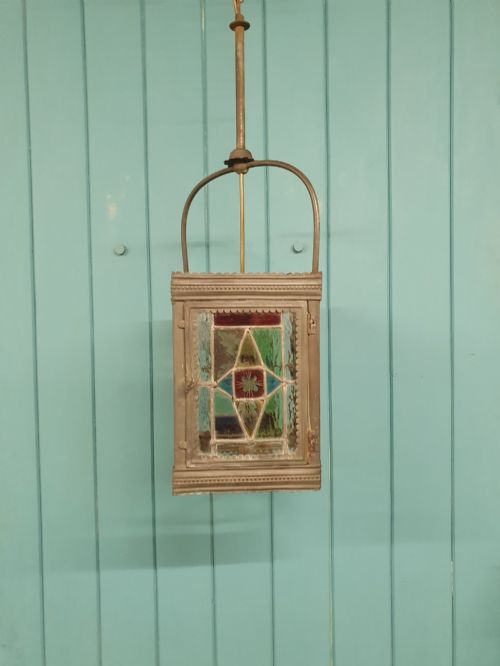


Arts and Crafts Glass Light
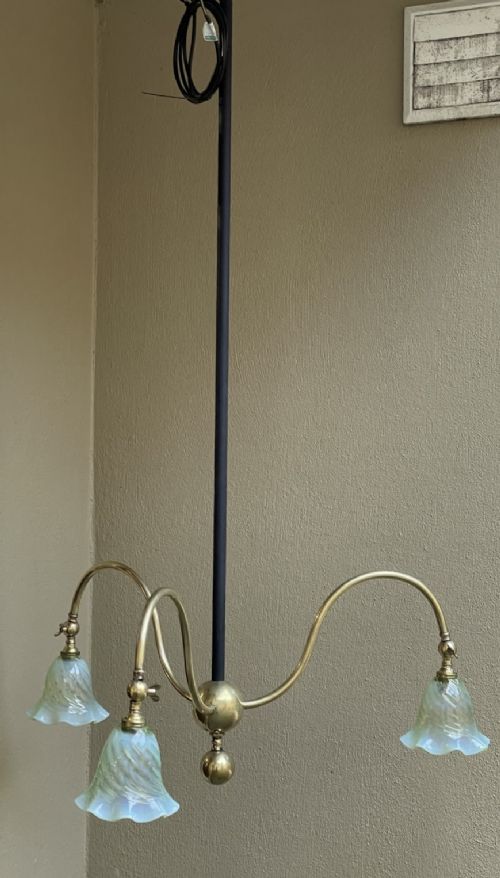
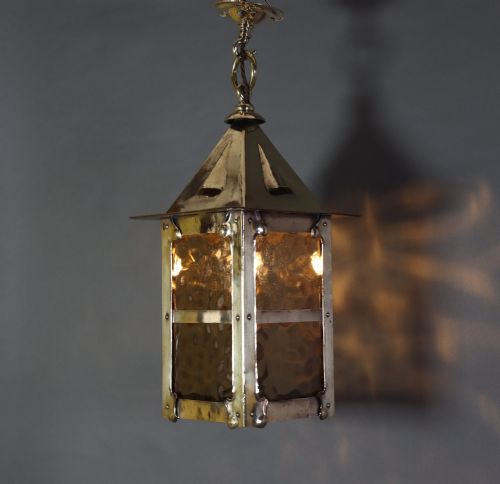
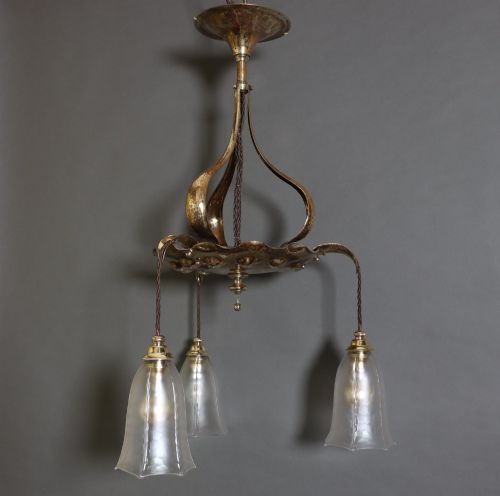
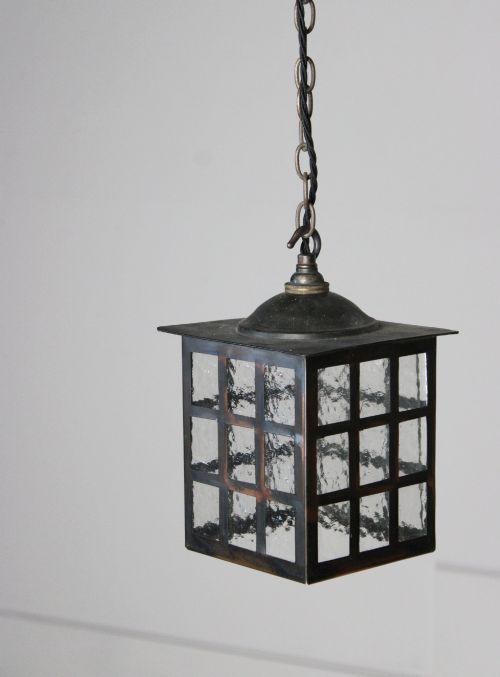
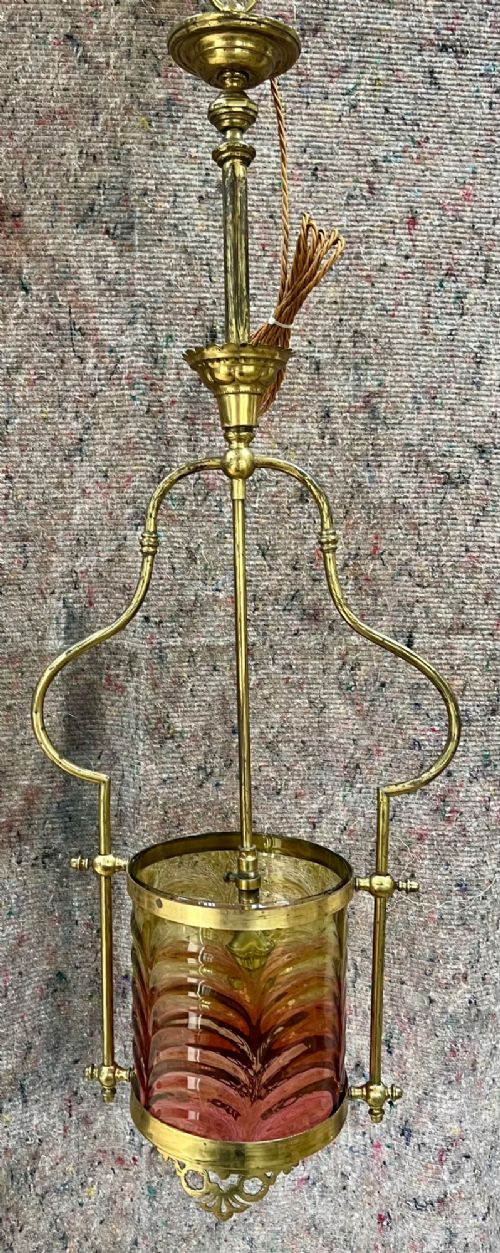
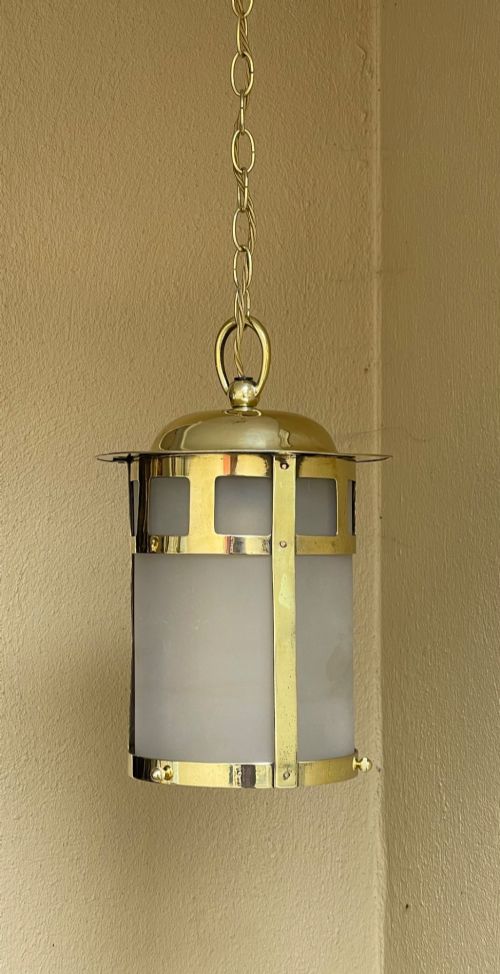
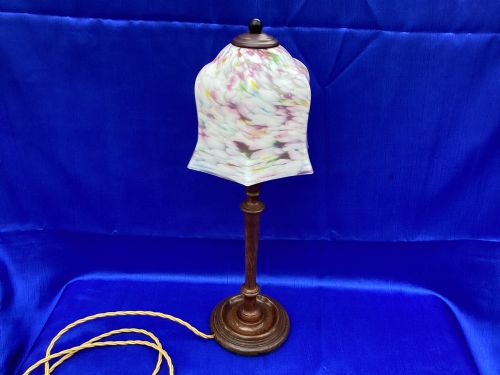
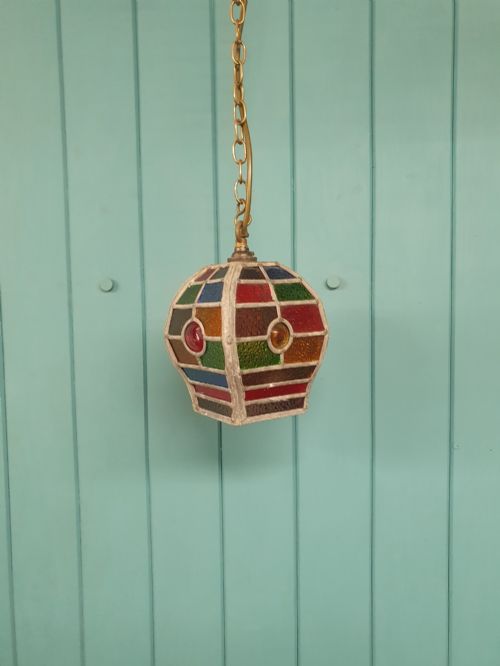
These arts and crafts glass light fixtures combine leaded panels and metal frames to illuminate period interiors.
Arts and Crafts Glass Light
When you search for an arts and crafts glass light, you encounter various ceiling pendants, hall lanterns, and wall brackets from the late nineteenth and early twentieth centuries.
The selections span styles from Victorian Gothic and Art Nouveau to pure Arts and Crafts, frequently utilising leaded or stained glass panels.
Most examples originate from the Edwardian era or around nineteen hundred, reflecting the domestic lighting requirements of period properties.
Distinguishing quality in period lighting
The standard of metalwork dictates quality, separating heavy hand-beaten copper and cast bronze frames from lighter stamped metal alternatives.
The complexity of the glass panels matters, as intricate leaded configurations and hand-painted pictorial scenes require superior craftsmanship.
Original patination and untouched surface finishes elevate an object above pieces with modern alterations or replacement components.
Maple & Co.·Minty·Farraday & Son
The Arts and Crafts Glass Light Glossary
- Opalescent glass
- Glass that displays a milky, iridescent appearance, diffusing light softly through ceiling bowls and pendant shades.
- Leaded light
- A window or lampshade formed of small glass panes held together by narrow strips of lead came.
- Hall lantern
- An enclosed hanging light designed specifically for entrance halls, corridors, and vestibules.
- Patination
- The natural surface ageing and oxidation acquired by brass, copper, and bronze over decades of exposure.
- Art Nouveau
- A decorative style characterised by organic, flowing lines and natural motifs, frequently overlapping with period lighting design.
Arts and Crafts Glass Light: Frequently Asked Questions
How do I hang a heavy hall lantern safely?
These lanterns require secure ceiling joist fixing and appropriate chain suspension to support substantial brass and iron weights.
Professional electrical installation ensures the internal wiring safely accommodates modern voltage requirements.
Where were these glass lights originally used?
Pendant lights and lanterns hung primarily in entrance halls, stairwells, and reception rooms of Edwardian and Victorian homes.
Table lamps and reading lamps provided targeted illumination for desks and libraries during the early twentieth century.
How do I distinguish Edwardian from Victorian lighting?
Victorian designs often incorporate heavier Gothic Revival elements and darker patinated bronze or cast iron.
Edwardian pieces tend toward lighter brass frames, brighter copper tones, and simpler opalescent glass shades.
Can I use modern bulbs in these antique fittings?
Many fixtures accept standard contemporary LED bulbs provided the internal lamp holder matches standard sizing.
Checking the wiring condition with a qualified electrician is essential before daily domestic use.