





Arts and Crafts Fireplace Surround
These arts and crafts fireplace surround pieces bring honest metalwork and timber into the hearth, offering solid character for any room.
Arts and Crafts Fireplace Surround
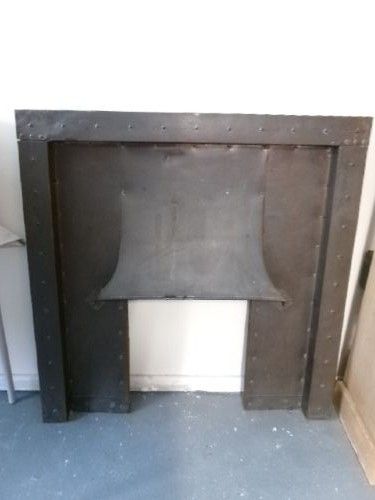
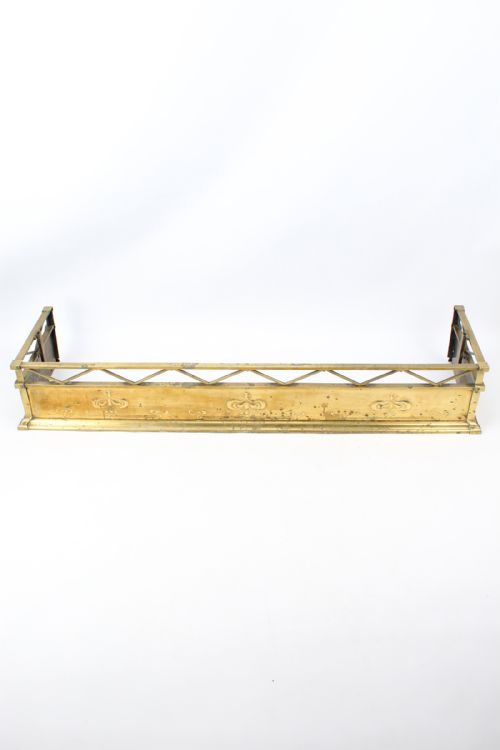
An arts and crafts fireplace surround brings substantial period presence to a room, drawing the eye straight to the hearth. Buyers seeking this look will encounter a variety of practical forms including fenders, curbs, surrounds, and inserts.
The selection ranges across Victorian, Edwardian, and later twentieth-century iterations, spanning periods from the nineteenth century up to nineteen thirty. Pieces appear in distinct styles such as Arts and Crafts, Art Nouveau, and Jacobean Revival.
Fenders and surrounds form the backbone of these listings, often accompanied by club fenders and overmantels. Oak and mahogany timbers sit alongside heavy cast iron, brass, and copper to define the domestic interior.
Materials and Construction
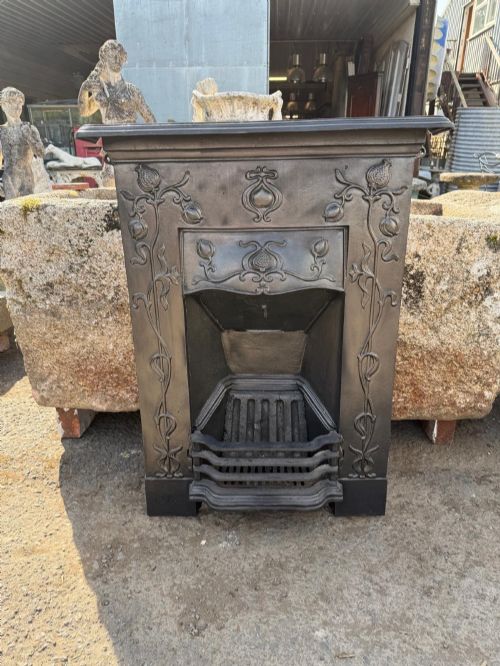
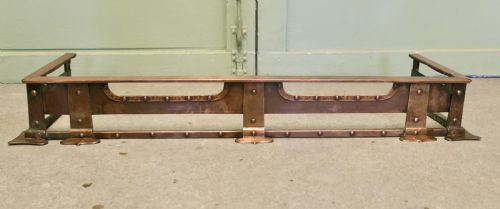
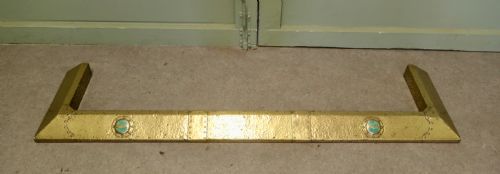
Metals form the core of these hearth pieces, utilising beaten and riveted copper, polished brass, and durable cast iron. Enamel cabochons and leather upholstery frequently accent the metal structures.
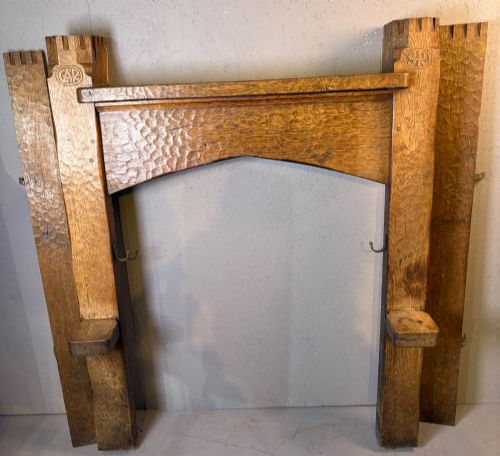
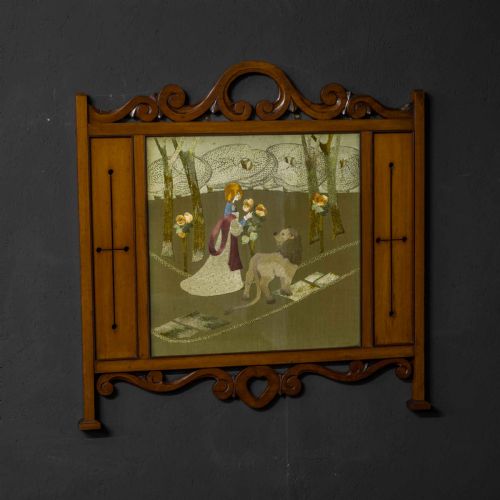
Timber elements rely on solid oak and mahogany, sometimes featuring carved details or limed finishes. Workshops combined these woods with heavy metals to build robust club fenders and overmantels designed for daily use.
Arts and Crafts Fireplace Surround Retail Price Guide 2026
Typical asking prices for arts and crafts fireplace surround among the pieces listed under this phrase on Sellingantiques today, from the lower quarter to the upper quarter. They describe what is for sale here now, not the wider market.
Listings span the Victorian and Edwardian eras, incorporating nineteen hundred through nineteen thirty alongside nineteenth-century works.
Assessing Quality and Execution
Quality shows in the weight of the metal and the depth of the hand-beaten work on copper panels. Superior examples display careful riveting and well-secured enamel cabochons rather than pressed, uniform stamping.
In wooden frames, the integrity of the joinery and the crispness of any carved ornamentation separate standard pieces from finer workshop productions. Adjustable mechanisms on club fenders operate smoothly on higher-grade specimens.
William Birch·Sir Edwin Lutyens
The Arts and Crafts Fireplace Surround Glossary
- Fender
- A low metal or wooden guard placed around the hearth to keep stray embers on the hearthstone. These frames often include padded seats in club configurations.
- Club Fender
- A heavy hearth surround featuring upholstered leather seats on either side. This form allows people to sit close to the fire.
- Overmantel
- A decorative wooden frame with a mirror or panel placed directly above the mantelpiece. They match the wider woodwork of the room.
- Cabochon
- A polished, convex gem or enamel stone set without facets into metalwork. They provide colourful highlights on copper and brass fenders.
Arts and Crafts Fireplace Surround: Frequently Asked Questions
What is a club fender?
A club fender is a hearth surround built with low upholstered seats running along the sides. It allowed Victorians and Edwardians to sit comfortably right next to the open fire.
These pieces combine robust metal or oak frames with leather padding. They remain practical additions for modern living rooms with working fireplaces.
How do I date a copper fender?
Dating relies on observing the manufacturing techniques, such as hand-beating marks, riveted joints, and stylistic cues like Art Nouveau whiplash lines. Earlier Victorian examples often feature heavier cast elements.
Later pieces from the nineteen twenties and thirties tend toward simpler, more streamlined profiles. Comparing the materials and construction methods helps place the piece within its historical period.
How should I clean beaten copper?
Beaten copper benefits from gentle dusting and occasional cleaning with a mild, non-abrasive metal cleaner. Preserving the natural patina prevents the metal from looking overly bright or modern.
Avoid harsh chemical dips that strip away the historical surface character. Regular soft cloth maintenance keeps the hand-beaten texture distinct and protected.