

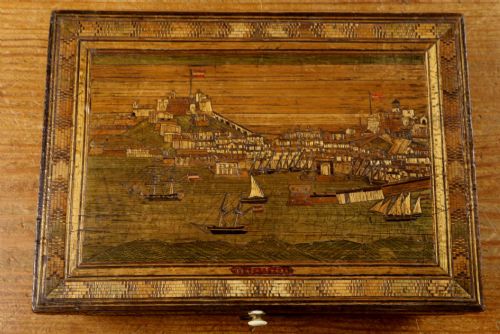


Arts and Crafts Decorative Box
An arts and crafts decorative box brings tactile metalwork and timber into a room, offering both practical storage and distinctive period character.
Arts and Crafts Decorative Box
When you search for an arts and crafts decorative box, you find containers that span jewellery boxes, tea caddies, and small caskets made in wood and metal. These pieces reflect the shift from mass production towards handcrafted domestic objects during the late nineteenth and early twentieth centuries.
The versions you meet most frequently on this page date from the Victorian and Edwardian periods, stretching into the 1930s. They include wooden jewellery boxes, painted pine items, and heavy metal caskets.
Alongside standard decorative boxes, related forms like letter racks, coal receivers, and tea caddies appear under this broad heading. Their shared trait is a reliance on manual construction methods rather than factory stamping.
Materials and construction
Makers utilised copper, brass, and wrought iron alongside various woods like oak and pine. Metal elements often display visible riveting and beaten surfaces that record the hammer blows of the smith.
Wooden examples range from inlaid oak to painted pine, occasionally incorporating straw work or bone details. Joinery is straightforward and robust, prioritising structural honesty over hidden assembly.
Arts and Crafts Decorative Box Retail Price Guide 2026
Typical asking prices for arts and crafts decorative box among the pieces listed under this phrase on Sellingantiques today, from the lower quarter to the upper quarter. They describe what is for sale here now, not the wider market.
One remarkably travelled box originates from Napoleonic prisoners of war making intricate straw work on the island of Elba.
Judging quality
The distinction between ordinary and superior pieces lies in the crispness of the handwork and the integrity of the materials. A finer box shows deliberate control in its beaten metal panels or precise wood inlay rather than rushed assembly.
Surface treatment dictates much of the character, where genuine patination from age outweighs synthetic finishes. Detail work, such as integrated cloisonné enamel or hand-wrought iron hinges, elevates an everyday container into a notable example of the style.
The Arts and Crafts Decorative Box Glossary
- Arts and Crafts
- A design movement spanning the late nineteenth and early twentieth centuries that valued hand workmanship over industrial manufacturing. It promoted traditional skills and simple forms.
- Cloisonné enamel
- A technique where enamel powder is fired within wire partitions soldered to a metal base. It creates colourful decorative cells across metal boxes and caskets.
- Wrought iron
- Iron shaped by heating and hammering by hand rather than casting in a mould. This process leaves subtle surface textures unique to each piece.
- Tea caddy
- A small container originally designed for storing loose tea leaves securely. Many surviving examples feature internal compartments and lids.
Arts and Crafts Decorative Box: Frequently Asked Questions
What were these boxes used for originally?
These boxes served multiple domestic functions, from holding jewellery and letters to storing tea leaves in the parlour. Their robust construction also suited functional items placed near hearths.
Smaller caskets held personal valuables, while larger wooden and metal chests accommodated household goods or documents.
How do I date an arts and crafts box?
Dating relies on observing material combinations, construction marks, and stylistic indicators recorded across the Victorian and Edwardian eras. Hand-beaten copper and exposed rivets typically point towards the turn of the twentieth century.
Earlier nineteenth-century pieces often utilise traditional timber joinery, while later 1930s items show simpler, more streamlined domestic forms.
Are these boxes suitable for daily use?
Most of these containers remain sturdy enough for contemporary storage use, whether holding desk accessories or small personal items. Their solid wood and heavy metal construction stands up well to normal handling.
Care should be taken with delicate surfaces, such as painted pine or antique straw work, which benefit from placement away from direct sunlight.
How do I clean antique copper boxes?
Antique copper surfaces require minimal intervention to preserve the natural patinated layer built up over decades. Dusting with a soft dry cloth is usually sufficient for regular maintenance.
Avoid aggressive metal polishes that strip away historical character and leave the surface unnaturally bright.