




Arts and Crafts Brass Lamp
These arts and crafts brass lamp designs deliver functional illumination paired with hand-wrought metalwork, offering a direct link to early twentieth-century domestic interiors.
Arts and Crafts Brass Lamp
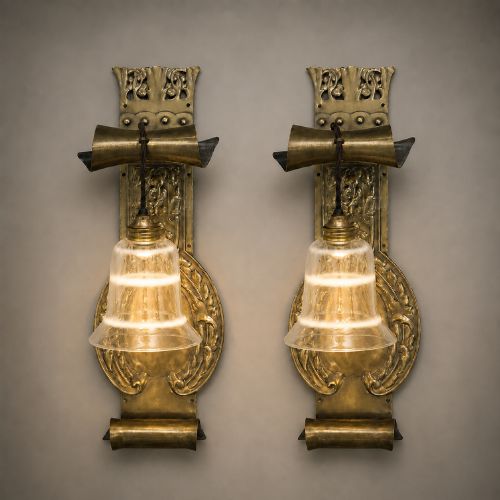
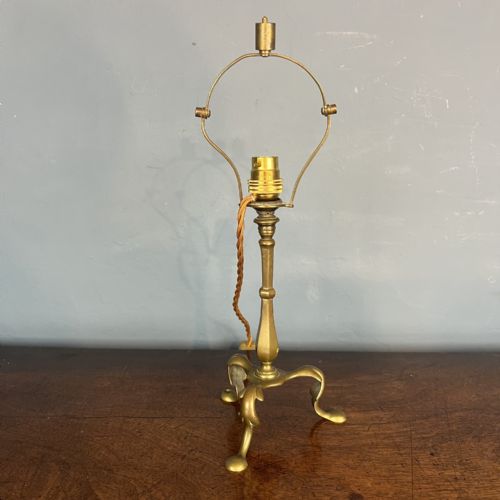
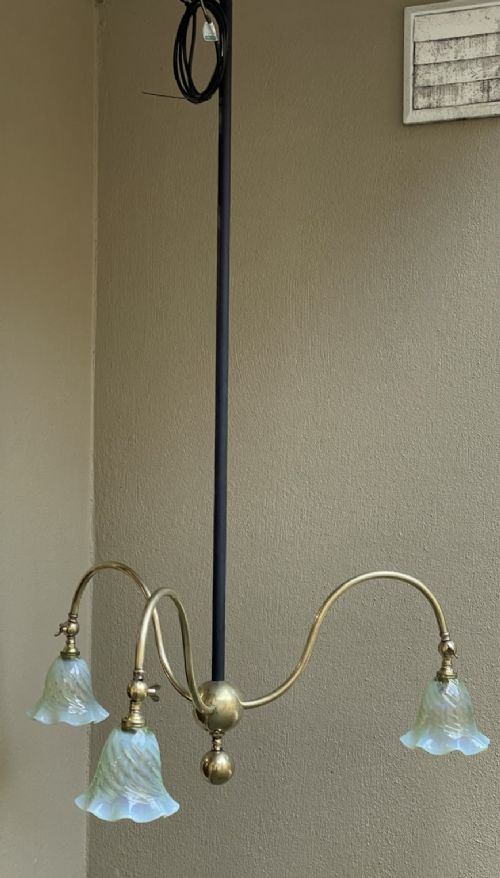
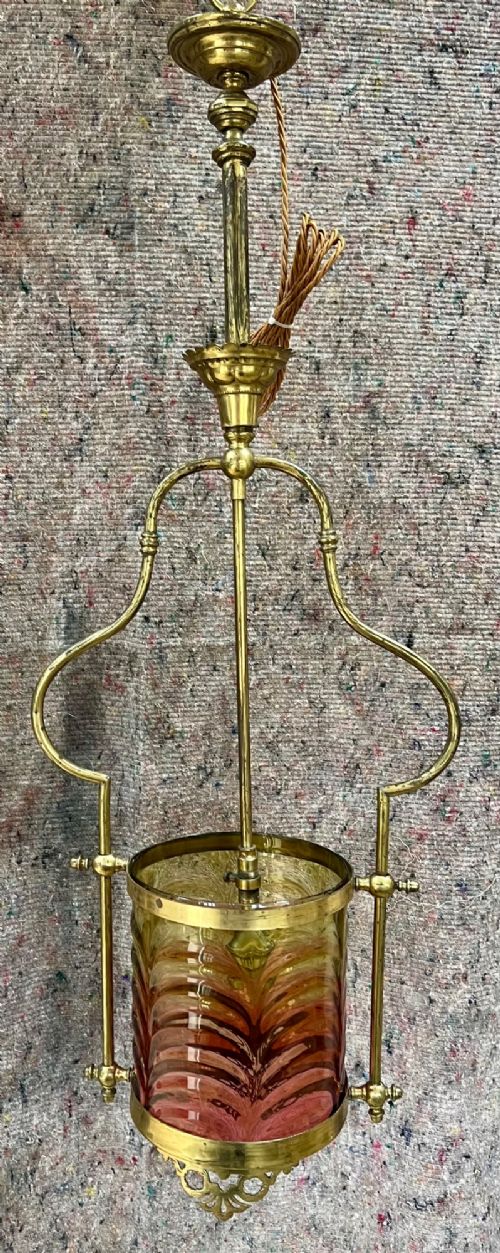
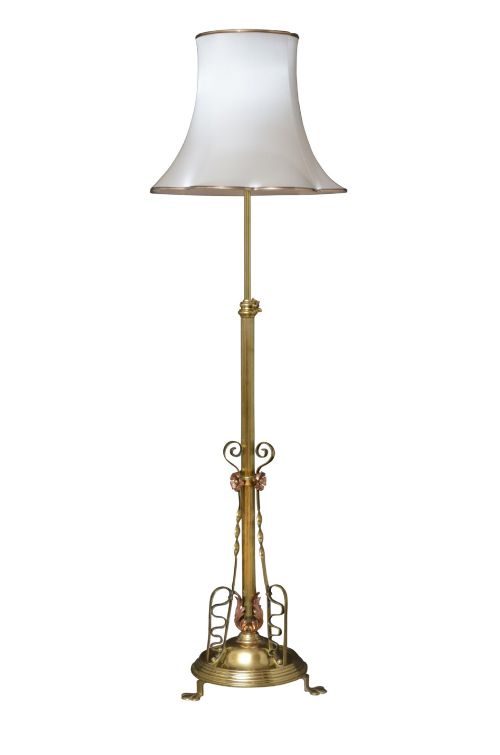
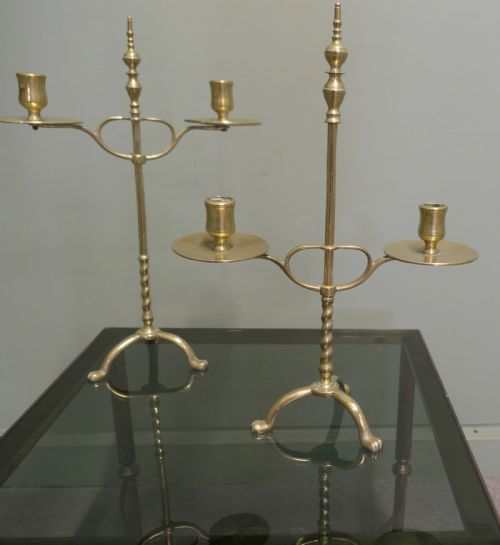
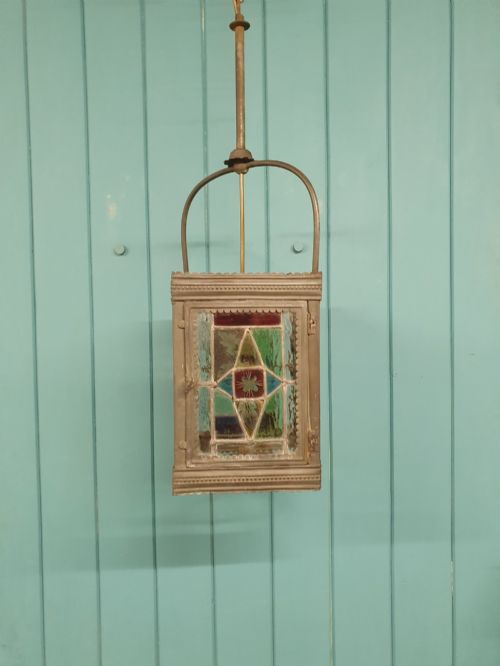
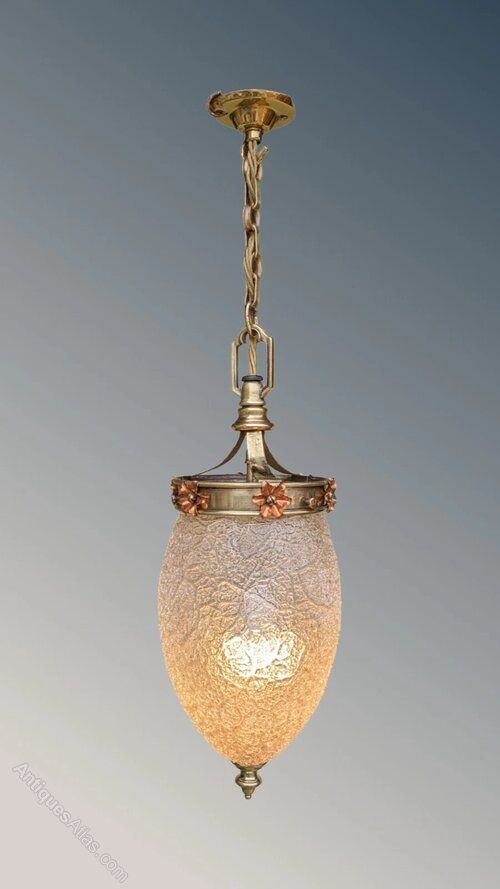
An arts and crafts brass lamp encompasses a range of lighting forms spanning floor-standing standards, adjustable table models, and multi-light ceiling fixtures. These pieces originate primarily from the late nineteenth century through the early decades of the twentieth century, aligning with Victorian, Edwardian, and Jugendstil design movements.
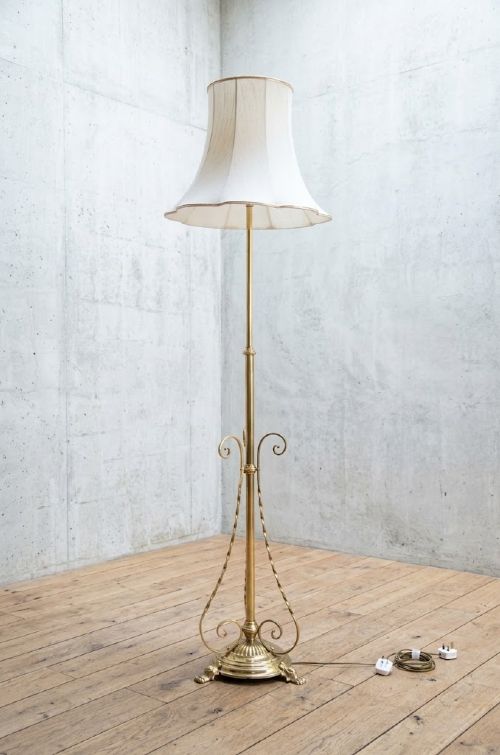
Floor-standing models frequently incorporate telescopic or height-adjustable mechanisms designed for oil or electric utility. Table variants often utilise heavy metal bases paired with fabric or glass shades, while wall lights and hanging pendants complete the domestic repertoire.
The aesthetic bridges utilitarian function with decorative metalwork, frequently combining brass with copper, wrought iron, or opalescent glass. Pieces emerge from English workshops as well as continental European centres, displaying distinct regional interpretations of the style.
Materials and construction methods
Makers utilised brass and copper as primary structural metals, often combining them with wrought iron, bronze, and patinated metal components. Sheet metal was beaten, spun, or riveted by hand to create the characteristic surfaces observed on shades and bodies.
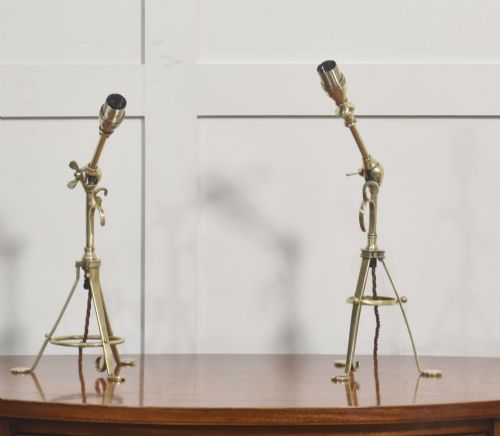
Adjustable elements relied on telescopic tubing and articulated joints that permitted height variation and directional light control. Glass shades, including opalescent and crystal bowls, were integrated alongside fabric elements to diffuse illumination.
Arts and Crafts Brass Lamp Retail Price Guide 2026
Typical asking prices for arts and crafts brass lamp among the pieces listed under this phrase on Sellingantiques today, from the lower quarter to the upper quarter. They describe what is for sale here now, not the wider market.
Some reading lamps designed for railway carriages utilised clever swivel joints to survive vigorous travel without tipping over.
Distinctions in manufacture and design
The standard of metalwork execution defines the calibre of a piece, separating hand-beaten components from mass-produced stamped elements. Weight, gauge of brass, and the integration of mechanical adjustments reveal the original workshop intent.
Design complexity and maker attribution influence the standing of individual pieces. Works associated with known producers or specific municipal commissions exhibit higher levels of finish compared to standard commercial outputs.
W.A.S. Benson·Dryad Leicester·Whytock & Reid
The Arts and Crafts Brass Lamp Glossary
- Standard Lamp
- A floor-standing lighting fixture designed to illuminate a room from standing height. These often feature telescopic or adjustable brass columns.
- Pullman Lamp
- A compact, adjustable lighting form originally designed for railway carriage use. They utilise pivoting arms and secure brass mountings.
- Opalescent Glass
- A milky, translucent glass type used for shades and bowls. It diffuses light evenly while displaying subtle colour variations.
- Patinated Metal
- Metal surfaces treated with chemical processes or natural oxidation to produce specific tonal finishes. This ageing protects the base metal and alters visual depth.
- Jugendstil
- The continental European manifestation of the Art Nouveau movement. It emphasises organic motifs and flowing linear forms in metalwork.
Arts and Crafts Brass Lamp: Frequently Asked Questions
How do I identify a standard lamp?
A standard lamp functions as a floor-standing lighting fixture, typically featuring a vertical brass column resting on a weighted base. Many examples incorporate adjustable mechanisms to alter the height of the light source.
These pieces were constructed to illuminate large spaces and often accommodate multi-branch burners or electric fittings.
Were these lamps electrified originally?
Many early pieces were manufactured to burn oil before undergoing later conversion to electricity. This evolution means existing wiring is frequently modern while the structural metalwork retains its original period character.
Adjustable brackets and telescopic stems were initially engineered to manage fuel reservoirs or direct candlelight and oil flames.
How should I clean brass metalwork?
Maintaining brass requires gentle dusting and the avoidance of harsh abrasive compounds that strip historical patination. Preservation of the surface finish maintains the visual integrity of the metal.
Unlacquered brass naturally develops a darker oxidation over time, which many collectors prefer to leave undisturbed.
What distinguishes Jugendstil from standard designs?
Jugendstil lighting draws on continental European Art Nouveau principles, favouring asymmetric organic lines and botanical motifs. British arts and crafts pieces often display a more structural, honest approach to construction and materials.
Comparing the bracket forms and decorative stamping reveals these distinct regional design philosophies.