





Art Nouveau Seat
An art nouveau seat brings organic lines and floral motifs into domestic spaces, offering both utility and distinct decorative flair.
Art Nouveau Seat
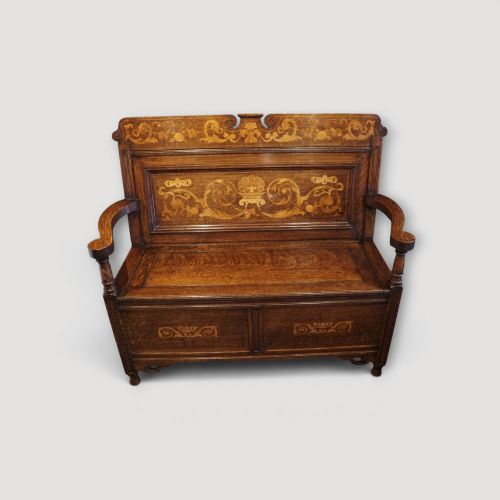
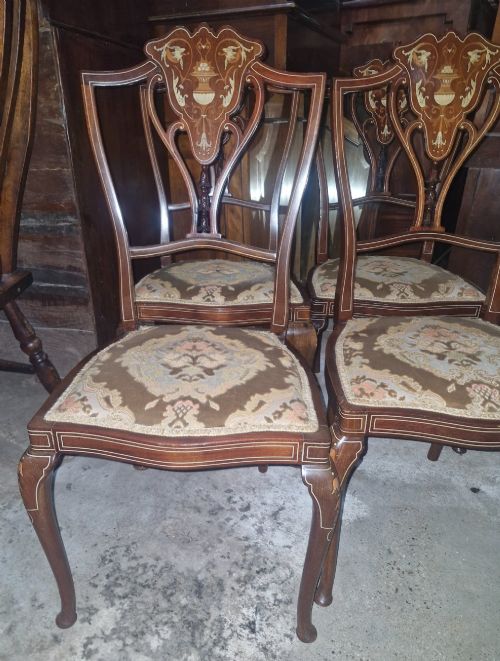
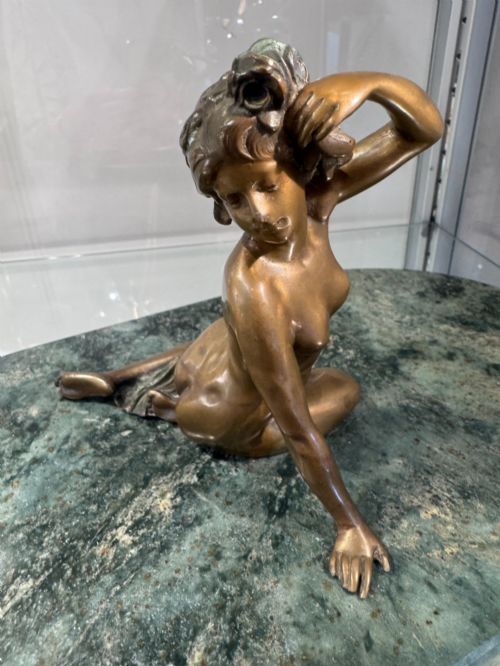
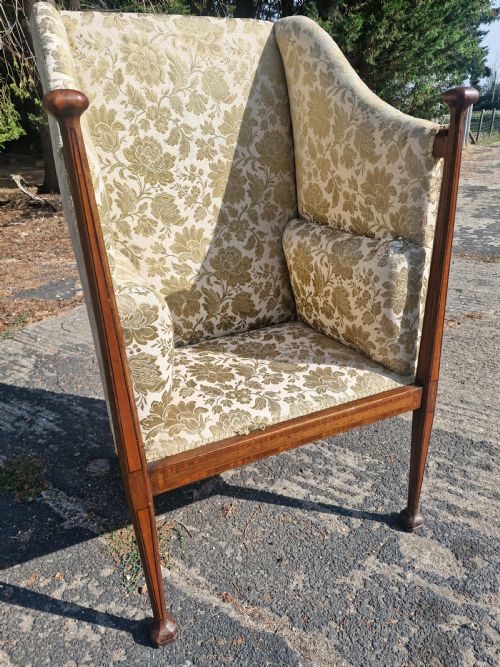
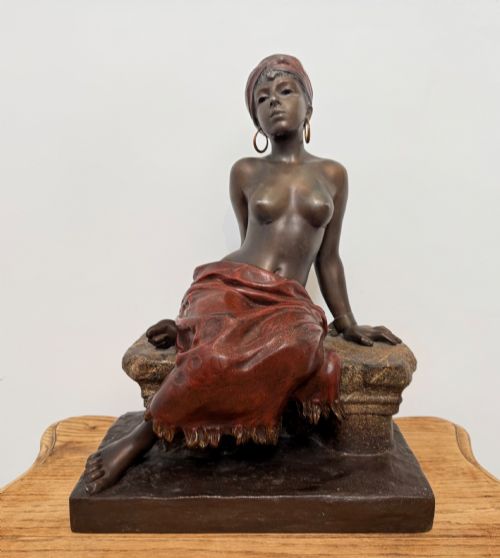
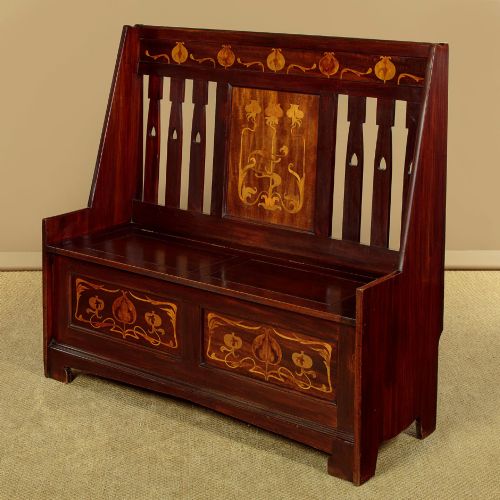
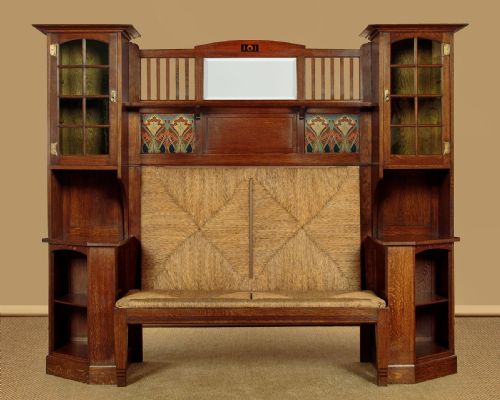
When you examine an art nouveau seat on this page, you encounter domestic furniture designed with the characteristic flowing curves and botanical motifs of the movement. The selection encompasses diverse forms ranging from dining chairs and armchairs to settles, settees, and benches, alongside sculptural figures depicting seated subjects.
The material palette is predominantly timber, featuring mahogany, oak, walnut, beech, and limewood, frequently complemented by marquetry or wood inlay, brass, leather, and various fabrics for upholstery. These pieces emerge from periods spanning the late nineteenth century through to the early decades of the twentieth century, including Victorian, Edwardian, and specific decades up to 1930.
How they were made
Cabinet makers utilised solid woods like mahogany, oak, walnut, and beech to construct the primary frames of these chairs and settees, employing traditional joinery alongside steam bending techniques for curved components. Decoration was often achieved through intricate wood inlay and marquetry, integrating satinwood or contrasting timbers to depict floral and linear motifs directly onto the surfaces.
Metal elements such as brass appeared as structural or decorative accents, while sculptural works combined bronze figures with marble elements or featured carved limewood. Upholstery involved durable materials including leather and woven fabric to pad the seats and backs of armchairs, salon suites, and fireside chairs.
Art Nouveau Seat Retail Price Guide 2026
Typical asking prices for art nouveau seat among the pieces listed under this phrase on Sellingantiques today, from the lower quarter to the upper quarter. They describe what is for sale here now, not the wider market.
Listings feature seating in mahogany, oak, walnut, and beech, alongside upholstered fabrics and leather.
What varies in quality
The distinction between standard examples and superior pieces rests upon the ambition of the design and the execution of the decorative elements. Chairs and settees featuring complex wood inlay, marquetry, and carved high backs demonstrate greater craftsmanship than plain timber frames.
The choice of primary wood, the precision of bentwood shaping, and the integration of maker-stamped elements or recognised manufacturing houses elevate individual pieces within the overall range.
James Shoolbred And Co·Thonet·Liberty And Co·Hans Muller·Louis Majorelle·J And J Kohn Ltd
The Art Nouveau Seat Glossary
- Marquetry inlay
- The art and craft of applying pieces of veneer to a structure to form decorative patterns. This technique frequently portrays botanical and sweeping linear designs on seat backs.
- Bentwood
- Timber shaped by applying steam and pressure to create curves. This process produced the rounded frames seen in chairs and settees.
- Settle
- A wooden bench featuring high backs and arms, often incorporating storage beneath the seat. These served as substantial seating arrangements in halls and living spaces.
- Salon suite
- A matched set of seating furniture designed for formal reception rooms. These typically comprise a settee and multiple matching armchairs or side chairs.
Art Nouveau Seat: Frequently Asked Questions
How do I identify an art nouveau seat?
Look for characteristic design motifs including whiplash lines, asymmetrical floral patterns, and stylized plant stems integrated into the wooden frames or inlay. These stylistic markers distinguish them from standard Victorian or Edwardian furniture.
Examination of the woodwork often reveals curved profiles and carved details that reflect the natural forms favoured by designers of the period.
Were these seats used in dining rooms?
Dining chairs and sets of high back chairs were regularly produced for dining spaces during the late nineteenth and early twentieth centuries. They provided formal seating around dining tables while incorporating the decorative aesthetic of the period.
Smaller side chairs and armchairs fulfilled similar roles in parlours, salons, and morning rooms rather than dining areas.
Can I use an antique settee daily?
Many upholstered settees and wooden benches remain structurally sound for regular domestic use provided the frame and joints are stable. Assessing the underlying timber and stability of the joints ensures safe everyday seating.
Periodic checks on the upholstery and fabric condition help maintain the comfort and longevity of pieces placed in active living areas.
What is the difference between a settle and a settee?
A settle is typically constructed from solid wood with a high back, solid arms, and occasionally an enclosed storage compartment beneath the seat. They originated as functional hallway or fireside furniture.
A settee functions as a two-seater or multi-seater upholstered piece designed primarily for comfort in parlours and reception rooms.