


Art Nouveau Lalique Glass
Art nouveau lalique glass pieces are moulded and frosted glass objects of refinement that bring tactile elegance and French artistry to a room.
Art Nouveau Lalique Glass
When you search for art nouveau lalique glass, you encounter small decorative and wearable items from the early twentieth century. The selection on this page centres on pieces created during the periods spanning nineteen ten and nineteen twenty.
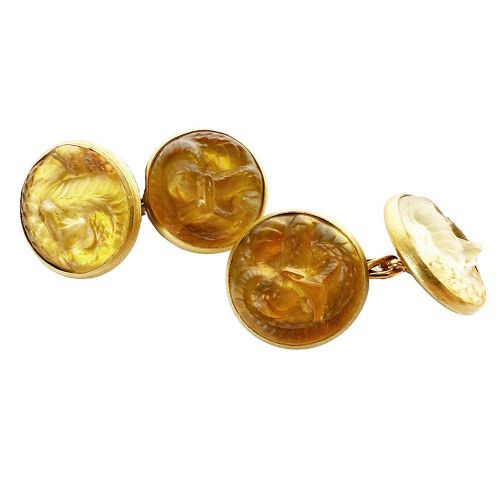
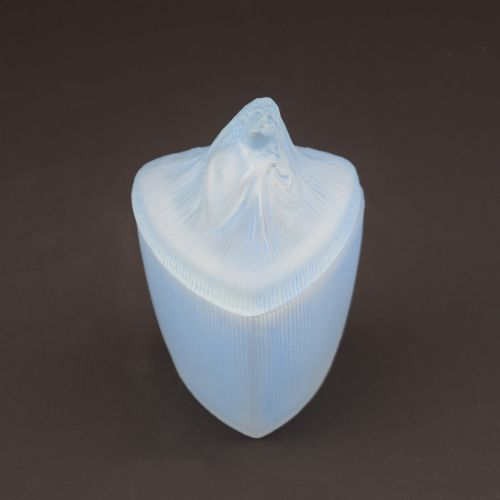
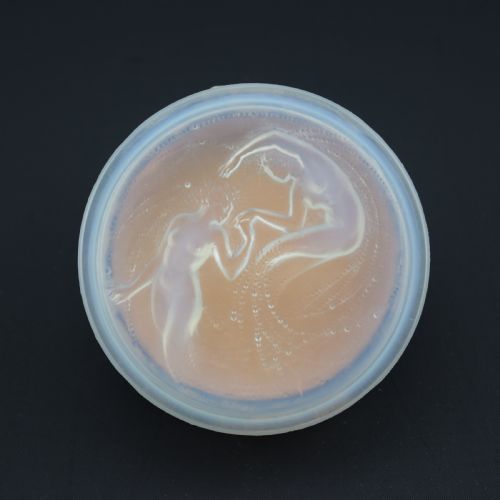
You are most likely to meet utilitarian and dressing table objects such as powder boxes, perfume bottles, shot glasses, and decorative plates. Items range from desk seals and cufflinks to bowls and small boxes.
The aesthetic bridges late nineteenth century organic curves and early twentieth century geometric transitions, capturing the essence of French design during the height of glass production.
Materials and techniques
The makers utilised frosted glass, moulded glass, and opalescent glass to achieve tactile surfaces and depth. Clear glass forms the foundation for many vessels, whilst specialist finishes add visual contrast.
Colour and tone are introduced through sepia stain, red staining, grey staining, and enamel. Some items incorporate gold or are paired with other precious materials to elevate the finished object.
Listings feature items from nineteen ten and nineteen twenty utilising frosted, moulded, and opalescent glass alongside enamel and gold.
Judging quality and finish
Quality rests in the crispness of the moulded relief and the subtlety of the staining. Pieces where the sepia, red, or grey stain settles evenly into the recesses display superior control during manufacturing.
The tactile contrast between polished highlights and frosted backgrounds defines the better examples. A successful piece balances sculptural form with the translucent qualities inherent in the glass.
R Lalique·Rene Lalique
The Art Nouveau Lalique Glass Glossary
- Frosted glass
- Glass treated to produce a textured, matte surface that diffuses light. This finish is central to accentuating relief details on figures and floral motifs.
- Opalescent glass
- Glass containing ingredients that cause it to milky-blue in transmitted light and warm amber in reflected light. It creates an iridescent depth across the surface.
- Sepia stain
- A dark brownish pigment applied to the glass recesses and wiped back to create shadow and definition. It highlights the intricate modelling of animals and figures.
- Cachet
- A small desk seal or stamp used for sealing correspondence with wax. These items feature detailed figural handles moulded in glass.
- Moulded glass
- Glass shaped by being pressed into a metal or wooden matrix while hot. This technique allows for consistent production of complex three-dimensional designs.
Art Nouveau Lalique Glass: Frequently Asked Questions
What are these art nouveau lalique glass pieces?
These pieces are small moulded glass objects including perfume bottles, powder boxes, cufflinks, and decorative plates produced in the early twentieth century.
They represent the intersection of sculptural design and functional art from French workshops of the period.
How were perfume bottles and boxes used?
Perfume bottles served as vessels for fine fragrances on dressing tables, featuring intricate stoppers like butterflies or figural designs.
Boxes were designed to hold powder or trinkets, combining practical storage with sculptural lids depicting figures, animals, or floral motifs.
How do I live with glass items safely?
Display these pieces away from direct sunlight and areas where they might be knocked, placing them on stable shelves or cabinets.
Clean them gently with a soft, dry cloth to avoid disturbing any original staining or enamel work on the surface.
How do I tell nineteen ten pieces from nineteen twenty ones?
Pieces from nineteen ten often lean closer to flowing organic art nouveau curves, whilst those from nineteen twenty sometimes show transitional geometric influences.
Comparing the specific motifs, such as serpent or floral designs against later figural compositions, helps identify the approximate period of production.