




Art Nouveau Easel
An art nouveau easel brings sweeping floral lines and organic curves to desk and dressing table.
Art Nouveau Easel
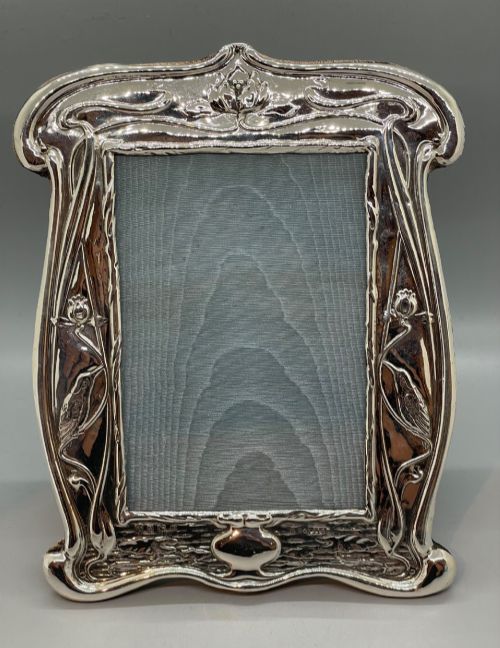
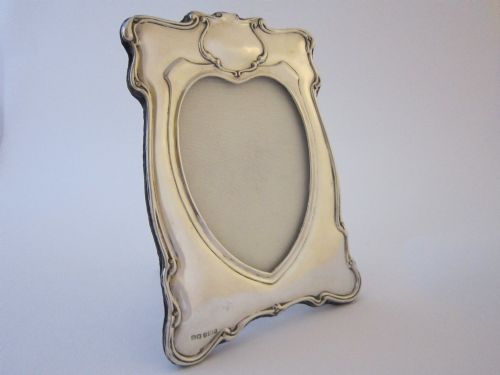
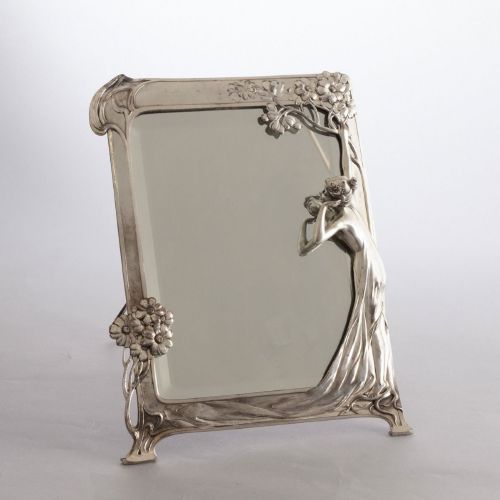
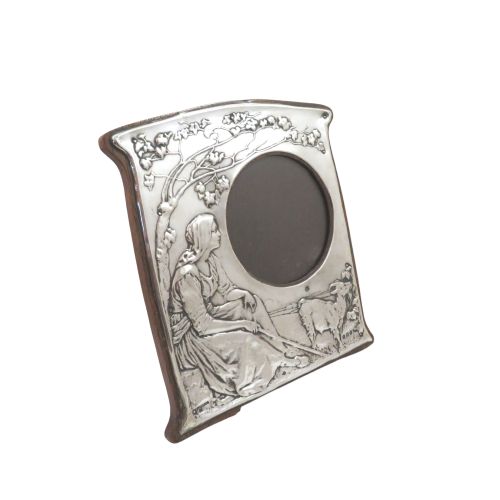
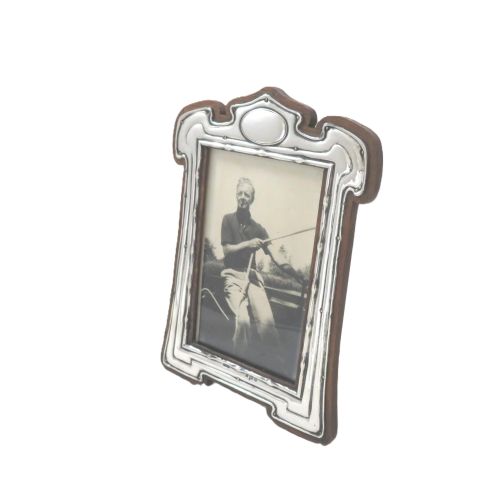
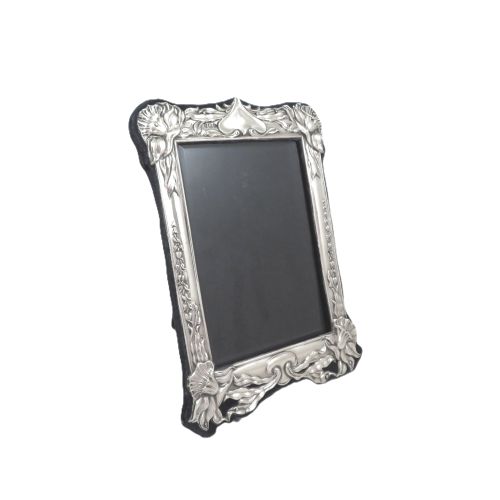
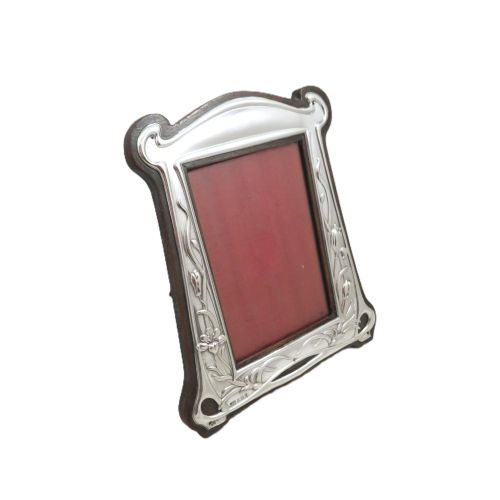
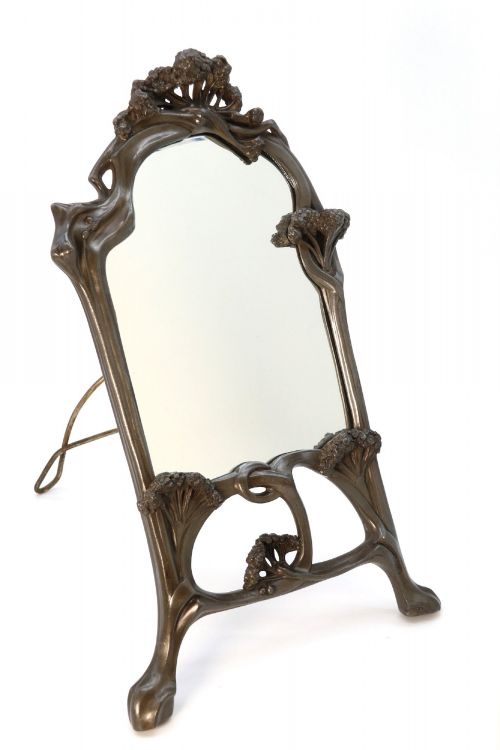
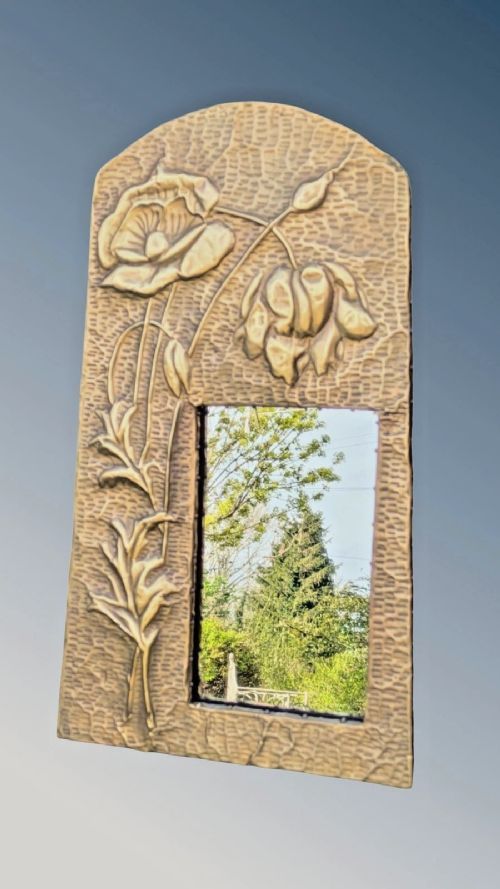
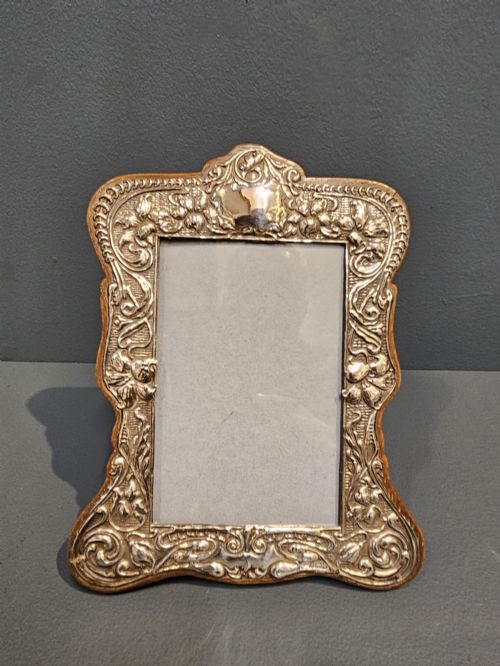
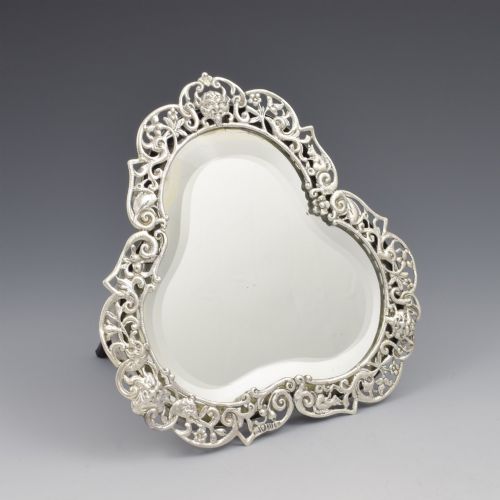
When you search for an art nouveau easel, you are looking at domestic desk accessories, table mirrors, and photograph frames supported by folding rear struts. These objects bring the fluid plant motifs and sinuous whip lines of the turn of the twentieth century directly into domestic display.
The pieces you meet on this page span the late Victorian, Edwardian, and early twentieth century periods, appearing in forms designed to prop portraits, mirrors, and small clocks upon a flat surface. Continental makers and English workshops both contributed to this body of work, utilising distinctive strut mechanisms to hold items upright.
Table mirrors and photo frames dominate the selection, often incorporating bevelled glass and velvet or leather backing boards behind the metal framework. Each example relies on its hinged rear leg to maintain an upright posture on a mantelpiece or bureau.
Materials and construction
Metalwork forms the core of these pieces, utilising sterling silver, brass, pewter, and silver plate shaped through casting, stamping, and piercing. Silversmiths and metalworkers hammered and embossed the sheet metal to raise intricate floral and animal motifs in relief.
Glass, wood, and enamel complete the construction, paired with velvet or leather on the reverse to cover the wooden backing plates. Champlevé enamel and gilt details add colour and contrast to the metal frames, while hallmarked silver pieces demonstrate precise British assay office standards.
Art Nouveau Easel Retail Price Guide 2026
Typical asking prices for art nouveau easel among the pieces listed under this phrase on Sellingantiques today, from the lower quarter to the upper quarter. They describe what is for sale here now, not the wider market.
Listings span the late nineteenth century through the Edwardian period, uniting sterling silver, pewter, and brass forms.
Quality and execution
Depth of relief and crispness of chasing separate standard pressings from superior metalwork, as skilled artisans hand-finished cast pewter and sterling silver to sharpen naturalistic details. The weight of the metal gauge and the integrity of the hinges dictate how well the piece stands over time.
Maker marks and hallmarks indicate origin and workshop standards, adding distinction to marked silver and stamped pewter pieces. Original backing materials and intact glass panels preserve the integrity of the design, whereas replaced components alter the historical balance of the object.
WMF·Louis Auguste Moreau
The Art Nouveau Easel Glossary
- Strut
- A hinged support leg attached to the back of a frame or mirror to hold it upright. This mechanism allows the object to rest at an angle on flat surfaces.
- Chasing
- The technique of hammering metal from the front to push details into relief. This method defines the soft floral curves typical of the period.
- Champlevé
- An enamelling process where troughs are gouged into metal and filled with vitreous paste before firing. It creates vibrant coloured sections flush with the surrounding surface.
- Hallmark
- A series of official stamps applied to precious metals indicating purity, maker, and assay office. These marks confirm the silver standard and year of production.
- Pierced work
- Metalwork cut through to create openwork patterns and negative space. This technique lightens heavy frames and highlights organic motifs.
Art Nouveau Easel: Frequently Asked Questions
What is an art nouveau easel?
An art nouveau easel is a decorative desk accessory, photo frame, or table mirror featuring the curving, organic lines characteristic of the turn of the twentieth century. These objects use hinged rear struts to stand upright on furniture.
They combine functional utility with sculptural metalwork, often displaying motifs drawn from plants, flowers, and animals.
How were these frames used?
Households placed them on dressing tables, mantelpieces, and writing desks to display family photographs, small mirrors, or pocket watches. The folding rear support allowed easy repositioning across different rooms.
They served as decorative ornaments as well as practical desktop items during the Victorian and Edwardian eras.
What materials are common?
Sterling silver, pewter, brass, and silver plate form the primary metal structures seen in these designs. Makers added glass, velvet, leather, and champlevé enamel to complete the backing boards and decorative accents.
English and continental workshops utilised these materials to achieve contrasting textures and polished surfaces.
How do I date an easel?
Dating relies on silver hallmarks, maker stamps, stylistic cues, and the construction methods used on the backing boards and hinges. British silver pieces often carry date letters corresponding to specific assay office years.
Continental pewter and brass items depend on workshop marks and registration numbers to narrow down their period of manufacture.