




Art Nouveau Decor
Art nouveau decor captures the fluid, organic lines of the turn of the twentieth century, bringing botanical forms and metallic lustre straight into the room.
Art Nouveau Decor
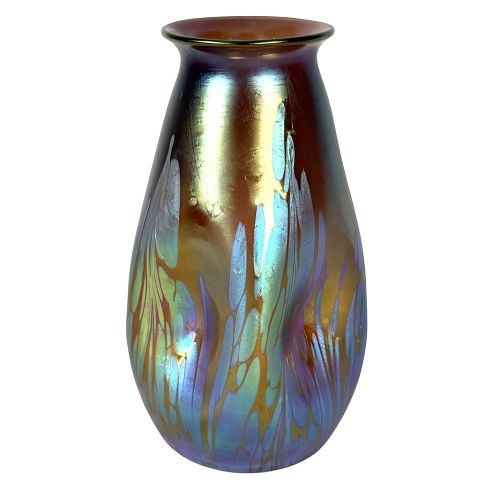
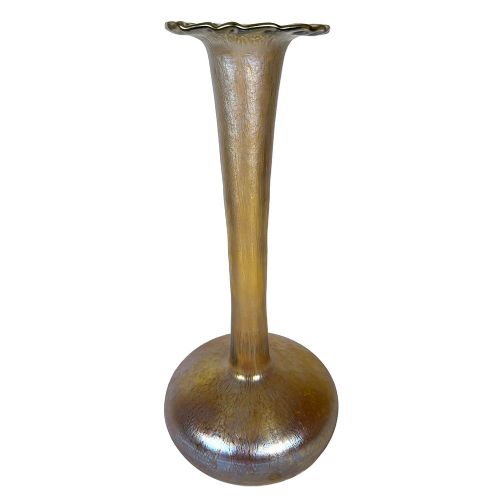
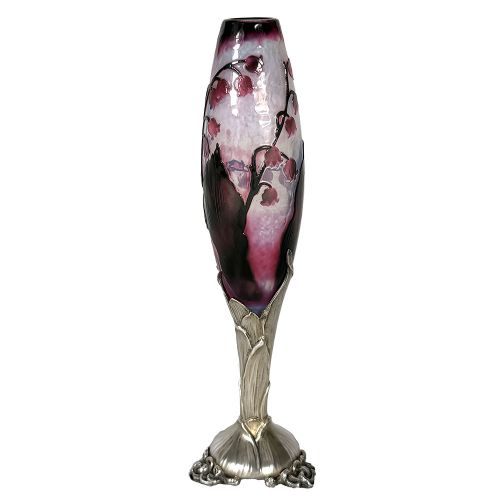
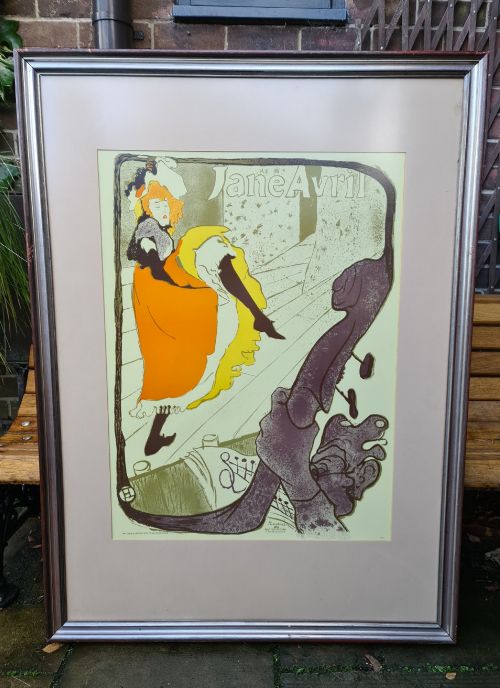
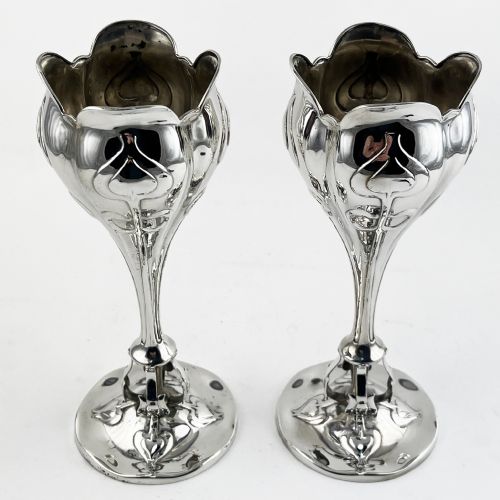
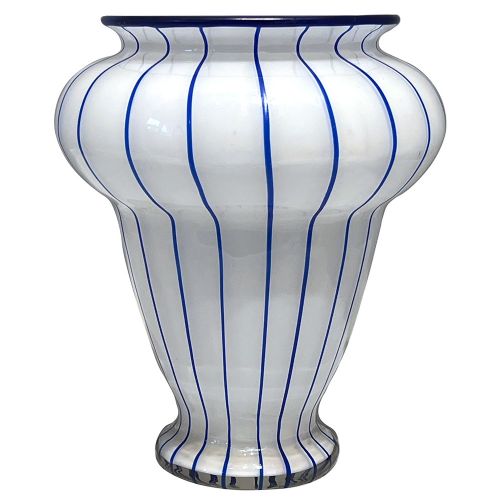
The most common forms found in this selection include iridescent glass vases, metal candlesticks, and decorative plaques. These domestic items display characteristic styling from French, Austrian, and British workshops working in the nineteenth and twentieth centuries.
Materials and methods
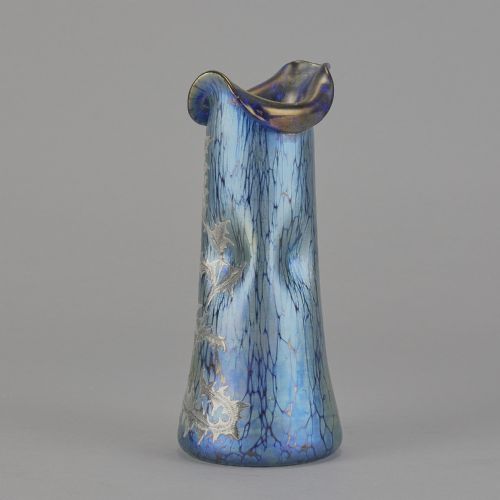
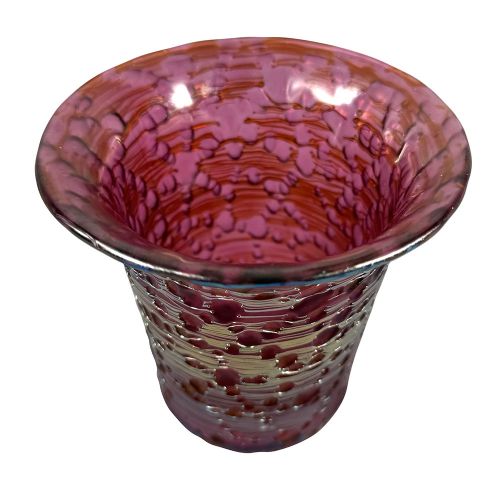
Makers shaped iridescent and wheel-carved glass using chemical treatments to produce metallic sheens, often pairing the fragile material with heavy metal mounts. Molten glass received optic patterns through specialised blowing techniques before cooling.
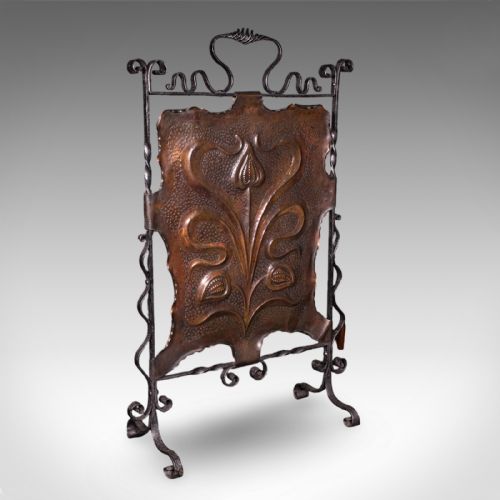
Metalworkers utilised pewter, copper, and sterling silver, casting them into flowing botanical shapes or applying patinas and silvering. Pewter items by firms like WMF and Kayserzinn demonstrate detailed casting of flora such as mistletoe.
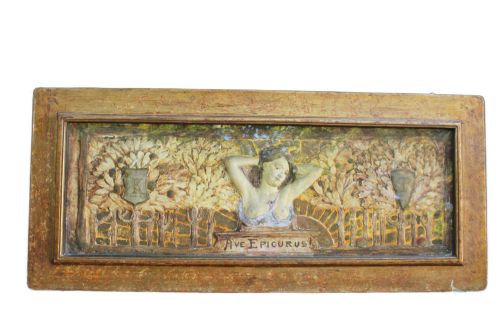
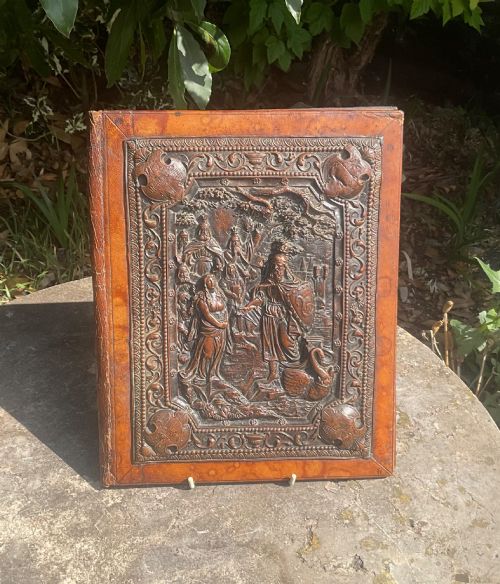
Wood and plaster were carved or moulded with gesso, then gilded or painted to create sculptural wall reliefs and picture frames. These mixed media pieces capture the era's preference for tactile, handcrafted surfaces.
Art Nouveau Decor Retail Price Guide 2026
Typical asking prices for art nouveau decor among the pieces listed under this phrase on Sellingantiques today, from the lower quarter to the upper quarter. They describe what is for sale here now, not the wider market.
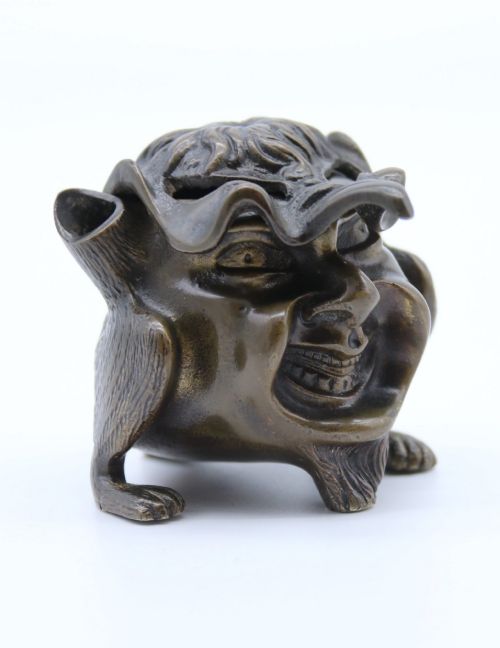
Some bronze inkwells take the physical shape of a grotesque creature, ready to guard your desk.
Judging quality
Quality rests in the precision of the casting and the depth of the finish, particularly how cleanly metalwork renders intricate botanical details. Superior glass shows rich iridescence and complex surface patterns rather than flat colouration.
The reputation of the designer or workshop elevates a piece, as seen in documented glass decors by Loetz or pewter work designed by Archibald Knox. Signed pieces or those retaining original mounts and enamels hold greater distinction.
Loetz·Georg Adam Scheid·Daum·Archibald Knox·Liberty and Co·WMF·Kayserzinn·Royal Dux·Legras
The Art Nouveau Decor Glossary
- Iridescent glass
- Glass treated with metallic salts while hot to produce a shimmering, rainbow-like surface effect. This technique was mastered by bohemian makers such as Loetz.
- Jugendstil
- The German-language manifestation of the art nouveau movement, named after the Munich art magazine Die Jugend. It shares the same floral vocabulary and sinuous line.
- Pewter
- A malleable metal alloy primarily composed of tin, used widely for candlesticks and vases. In this period, Liberty and Co and WMF refined pewter into artistic domestic forms.
- Secessionist
- A style arising from artists breaking away from traditional academic art bodies, particularly in Vienna. It favours geometric restraint alongside organic motifs.
- Décor
- A term used to describe the specific colour combination, pattern, or chemical treatment applied to art glass. Collectors use it to categorise different production runs by makers like Loetz.
Art Nouveau Decor: Frequently Asked Questions
What is art nouveau decor?
Art nouveau decor comprises decorative items made around nineteen hundred that feature flowing, plant-inspired lines and naturalistic subjects. It includes glass vessels, metalware, and wall reliefs.
These pieces reflect an international turn-of-the-century aesthetic valuing craftsmanship and organic form over rigid industrial symmetry.
How do I identify Loetz glass?
Loetz glass is recognised by its distinctive iridescent decors, such as papillon or strand patterns, which produce a metallic sheen. Many pieces also feature polished pontil marks on the base.
Studying the specific colour combinations and surface textures helps distinguish these Bohemian glassworks from other European makers.
What is Tudric pewter?
Tudric pewter is a brand name used by Liberty and Co for pewter homeware produced during the early twentieth century. It often incorporates enamels and cabochons.
Many of these metal designs were created by prominent artists such as Archibald Knox, blending Celtic revival patterns with art nouveau styling.
Where should I place these items?
These pieces suit spaces where their sculptural forms and reflective glass surfaces can catch natural light. They work well on wooden sideboards or mantels.
Allowing sufficient room around each object highlights its organic silhouette without crowding the surrounding room.
How do I care for silvered metal?
Silvered and plated metal requires gentle dusting with a soft, dry cloth to preserve the delicate finish. Avoid abrasive metal polishes that strip away historical patinas.
Keeping items away from excessive moisture prevents further oxidation of the copper, pewter, and silver surfaces.