





Art Glass Plates
Art glass plates bring distinctive texture and period design to a table, combining moulded relief with the luminous qualities of early twentieth-century manufacture.
Art Glass Plates
When searching for art glass plates, buyers encounter decorative vessels and tableware originating primarily from the Art Deco and Art Nouveau periods, spanning the late nineteenth century through the 1930s. These items frequently display distinct stylistic characteristics tied to European design movements, including the stylised motifs of the 1920s and the flowing organic lines typical of turn-of-the-century work.
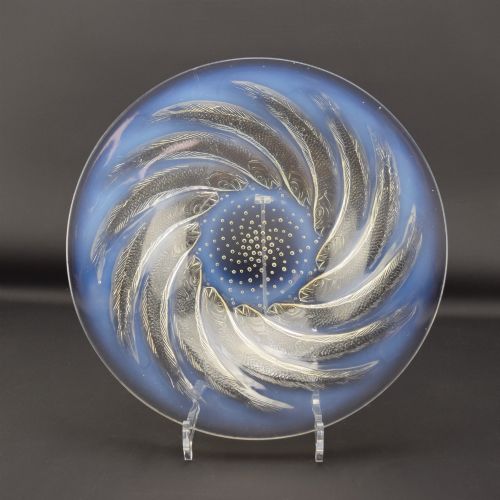
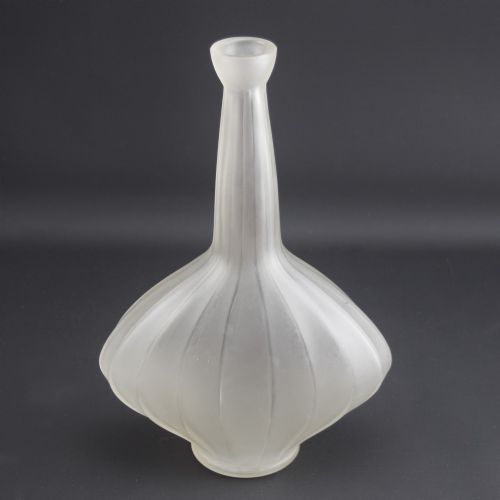
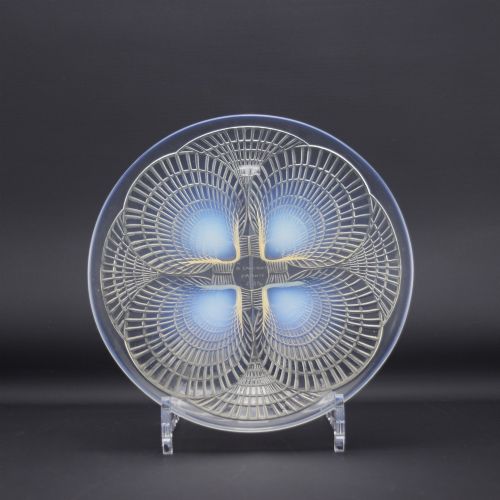
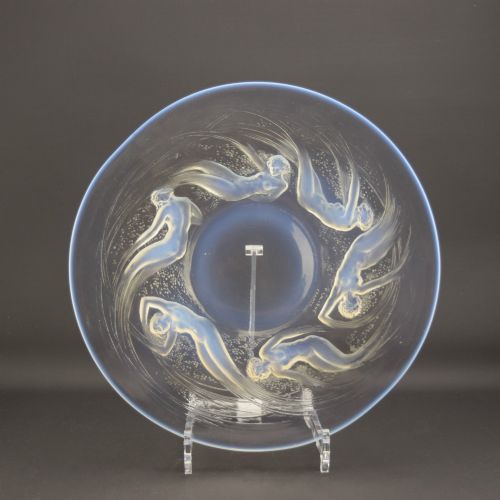
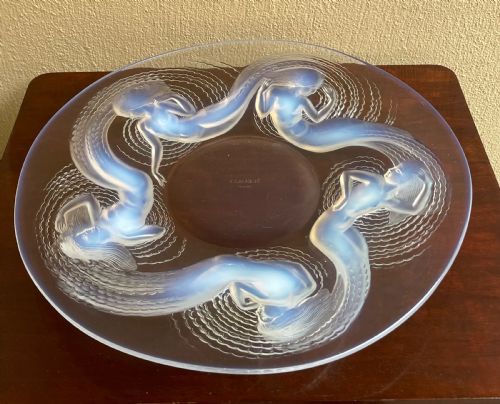
The objects listed under this description include moulded opalescent dishes, shallow bowls, and decorative chargers bearing specific manufacturer designs. Production from this era relies on heavy glass pressing techniques that allow intricate aquatic, floral, or geometric patterns to stand out in relief against clear, coloured, or frosted backgrounds.
Materials and production methods
Makers utilised specialised glass formulations, incorporating opalescent effects, frosted finishes, and contrasting sepia or enamel stains to accentuate moulded surface details. These tactile elements required precise temperature control during the cooling process to achieve the characteristic luminescence seen in pieces from major interwar workshops.
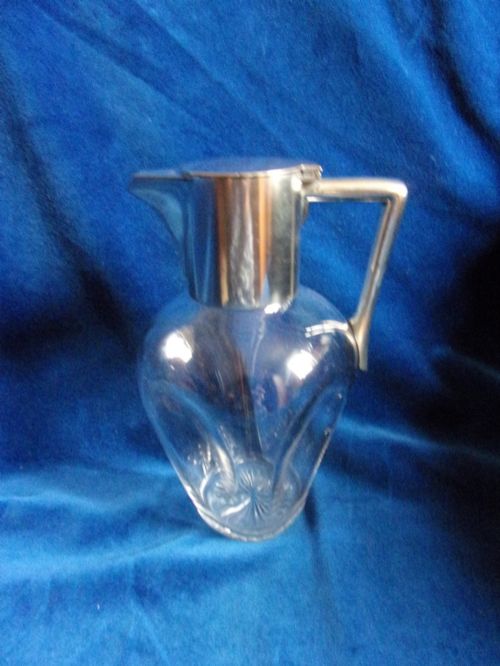
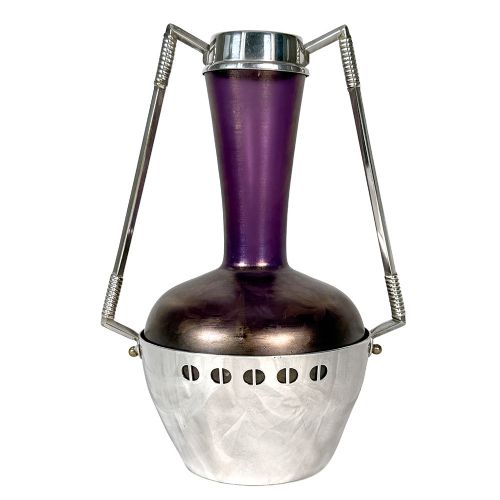
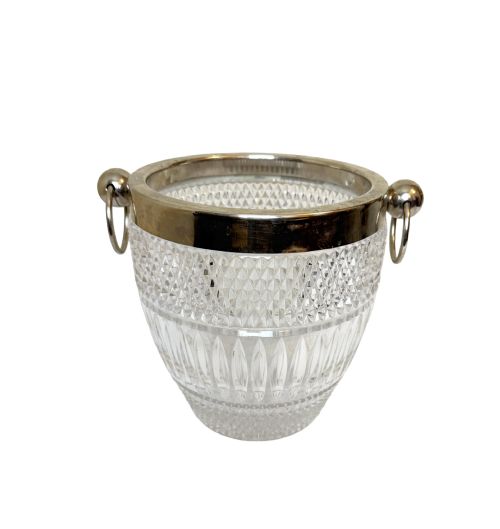
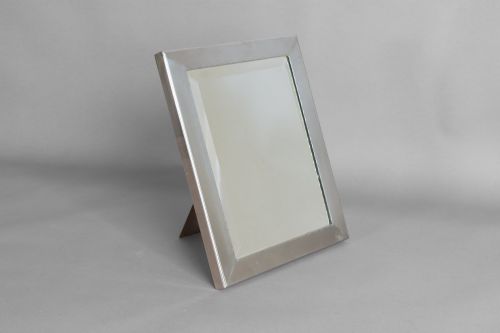
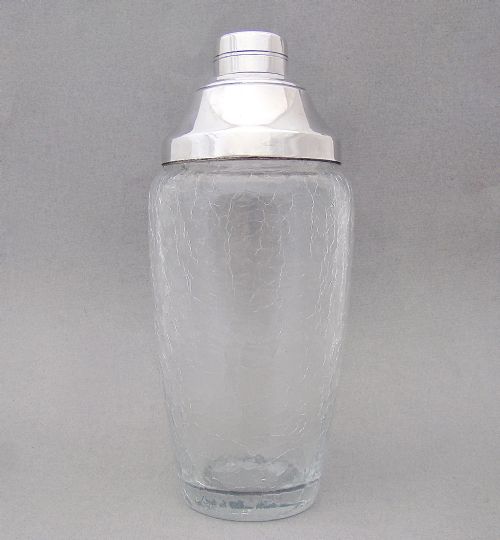
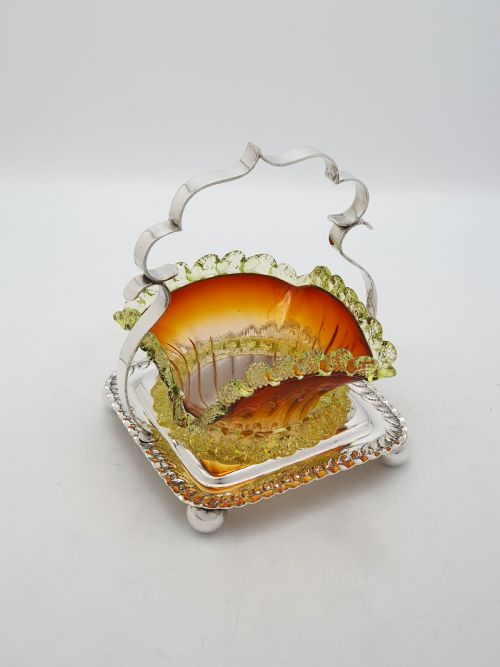
Production combined pressed or cast glass components with metal mounts, notably silver plate and chrome, linking glassware to the broader metalworking practices of the period. This pairing of heavy glass plates and bowls with structural metal framing defined much of the decorative tableware produced across European studios.
Art Glass Plates Retail Price Guide 2026
Typical asking prices for art glass plates among the pieces listed under this phrase on Sellingantiques today, from the lower quarter to the upper quarter. They describe what is for sale here now, not the wider market.
Several plates depict running dogs and swimming fish frozen mid-motion in thick, milk-blue glass.
Evaluating manufacturing quality
Quality in these pieces rests upon the crispness of the moulded relief and the depth of the opalescent or stained finish applied to the glass surface. Superior examples maintain sharp definition in complex pictorial or geometric motifs without blurring across the high points of the design.
The integrity of secondary materials, such as heavy silver-plated mounts or structural frames, influences the overall standard of an object. Finer items demonstrate careful integration between the glass body and any metal elements, showing balanced proportions and disciplined finishing in both components.
Rene Lalique·WMF·Loetz·Argentor·Hukin and Heath·Mappin and Webb·Elkington
The Art Glass Plates Glossary
- Opalescent glass
- Glass containing agents that cause it to milky-blue in transmitted light and warm amber or orange in reflected light. This optical property creates shifting colour tones across moulded relief surfaces.
- Frosted glass
- Glass treated by acid-etching or sandblasting to produce a textured, translucent surface finish. The technique diffuses light and mutes transparency to highlight decorative motifs.
- Art Deco
- A design style dominant in the 1920s and 1930s characterising symmetry, geometric patterns, and stylised representations. It marked a transition away from organic curves toward streamlined industrial forms.
- Art Nouveau
- An international style of the late nineteenth and early twentieth centuries defined by undulating asymmetrical lines and natural motifs. Makers drew inspiration from plant stems, floral shapes, and aquatic life.
- Silver plate
- A base metal object coated with a thin layer of silver through electroplating or older mechanical methods. It provided the appearance of solid silver for domestic tableware and mounts.
Art Glass Plates: Frequently Asked Questions
How were art glass plates used originally?
These pieces served primarily as decorative table service items, holding fruit, bonbons, or small sweetmeats during formal dining. Their intricate moulded designs allowed them to function as ornamental centerpieces when not in active use.
Over time, many of these plates transitioned from dining rooms to display cabinets as collectors began valuing the sculptural qualities of interwar glassware over functional utility.
What is opalescent glass?
Opalescent glass contains chemical additives that scatter light, causing the raised portions of a moulded design to catch a milky-blue or pearlescent glow. When held up to direct light, the same areas often shift to a warm amber tone.
This dual-colour reaction was a signature technique for decorative tableware during the early twentieth century, giving flat glass surfaces the appearance of depth and movement.
How should I clean vintage glass plates?
Wash these items by hand using lukewarm water and a mild, non-abrasive detergent. Avoid soaking pieces with silver-plated mounts or stained surfaces to prevent damage to the delicate finishes.
Dry them immediately with a soft, lint-free cloth to avoid water spots, and keep them away from automated dishwashers, which can etch vintage glass permanently.