

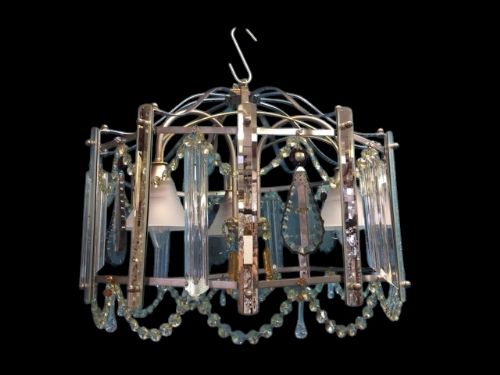
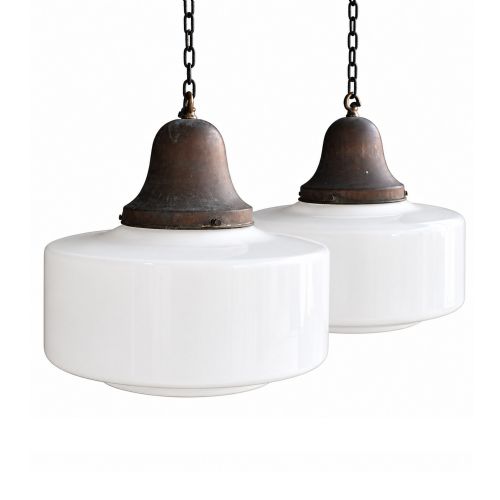
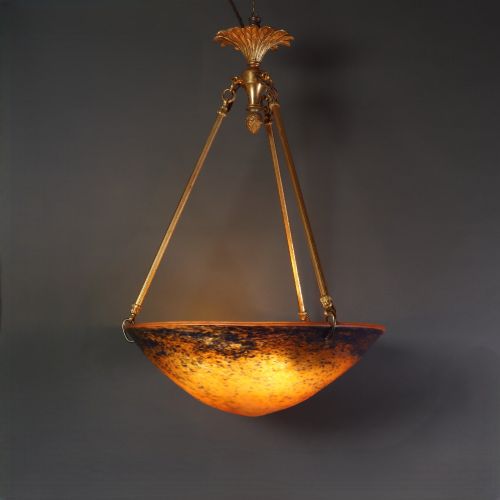

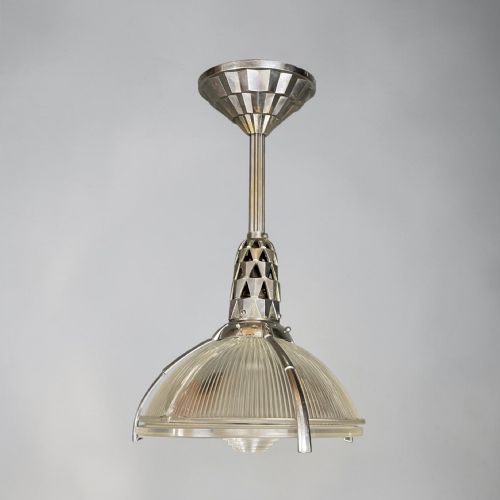

Art Glass Pendant Light
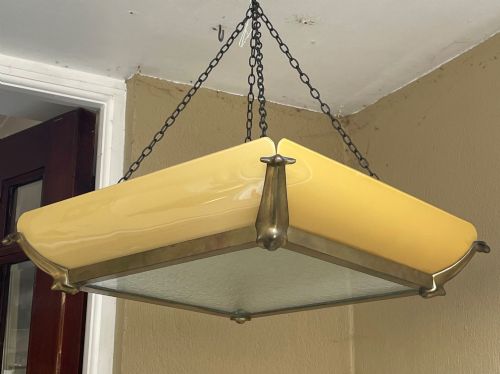
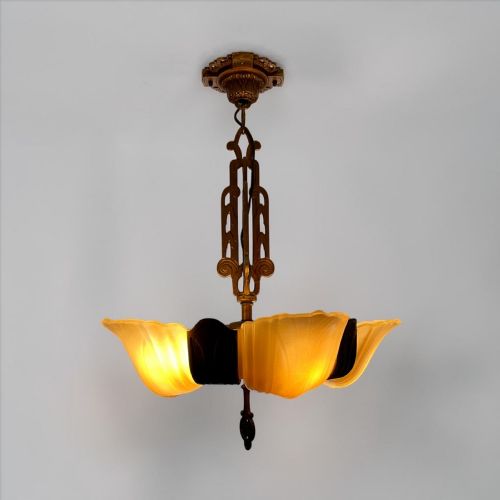
An art glass pendant light brings colour and focused illumination to a room, using moulded, frosted or leaded panels suspended from the ceiling.
Art Glass Pendant Light
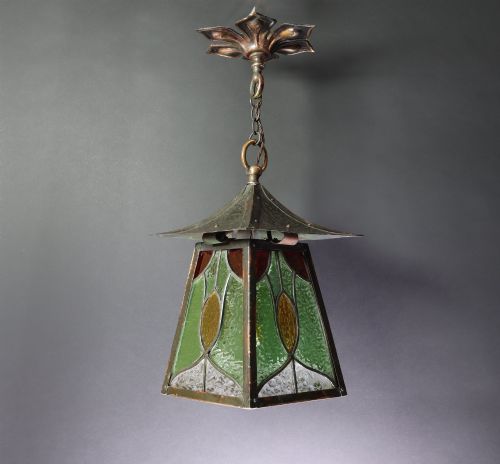
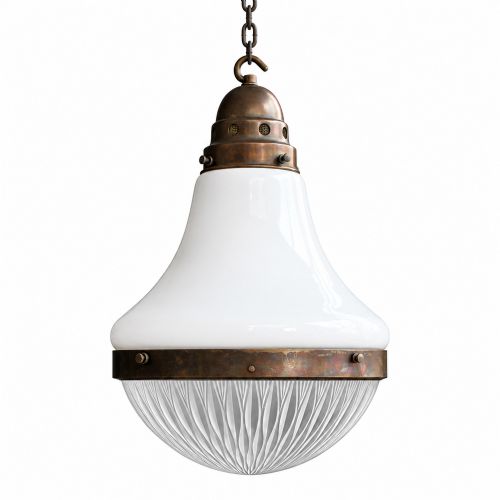
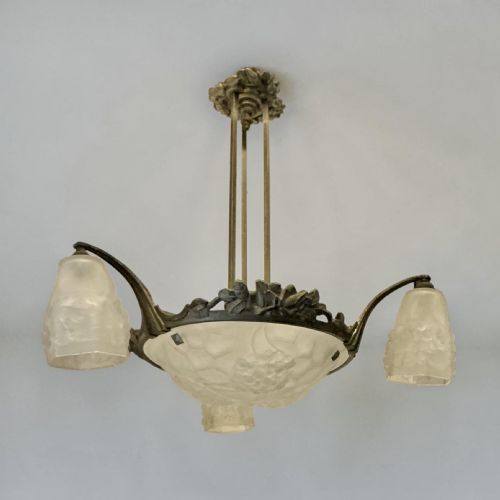
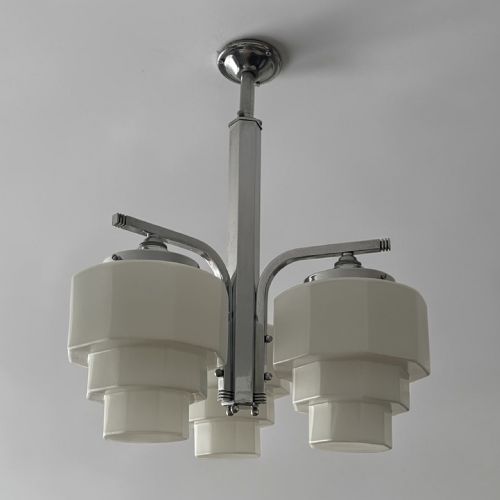
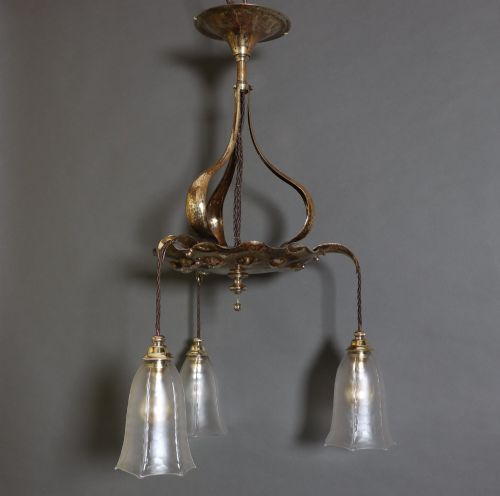
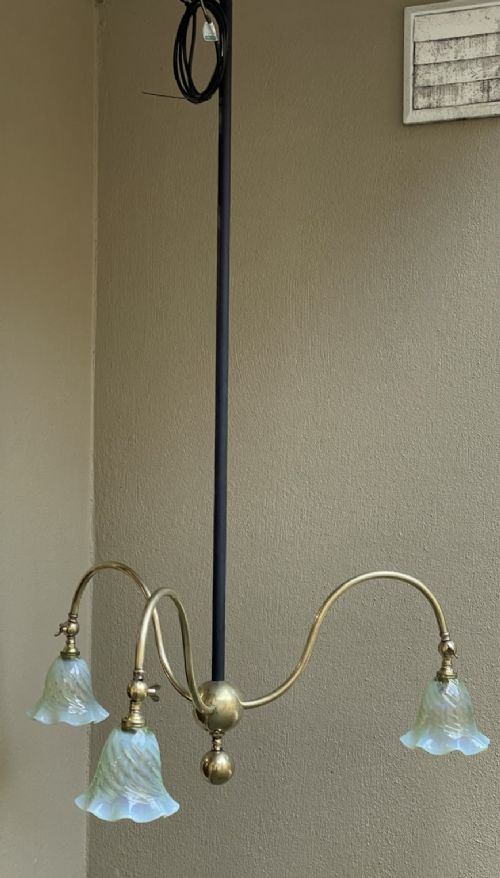
When you search for an art glass pendant light, you encounter hanging fixtures designed to illuminate interiors through decorative glass shades. The examples on this page span from the Victorian and Edwardian eras into the Art Nouveau, Arts and Crafts and Art Deco periods, encompassing various forms of ceiling lighting.
You are most likely to meet pendant lights and ceiling lights featuring moulded or frosted glass shades paired with metal frames. These pieces originate from workshops and makers across England, France and America, reflecting the distinct design movements of the late nineteenth and early twentieth centuries.
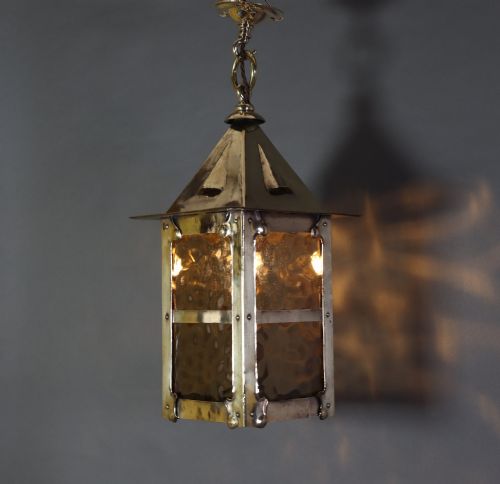
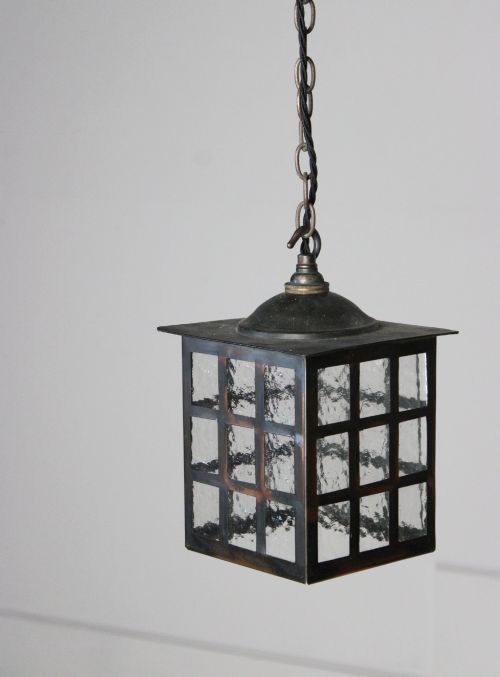
The selection includes hall lanterns, chandeliers and individual lampshades suspended by brass, copper, chrome or bronze chains and fixings. Each style demonstrates how illumination evolved from candle and early gas fittings to electric lighting during the 1880 to 1940 timeframe.
Materials and Construction
The construction relies on a combination of structural metalwork and worked glass components. Brass, copper, bronze and chrome provide the supporting frames, chains and suspension hardware, while iron appears in specific lantern designs.
Glass elements are formed through techniques such as moulding, acid frosting, leaded staining and hand painting. Clear, crackle, opaline and crystal glass are shaped into globes, slip shades, clamshells and plafonniers to diffuse the light emitted from within.
Art Glass Pendant Light Retail Price Guide 2026
Typical asking prices for art glass pendant light among the pieces listed under this phrase on Sellingantiques today, from the lower quarter to the upper quarter. They describe what is for sale here now, not the wider market.
Listings feature brass, copper, bronze and chrome paired with frosted, opaline and leaded glass.
Distinctions in Quality
The standard of a piece rests upon the weight and finish of the metal frame alongside the clarity and thickness of the glass shade. Substantial brass, bronze or copperwork with refined chasing or clean soldered joints indicates higher craftsmanship than lighter stamped metal.
Signatures or attributions to known designers and distinct glassworks elevate a fixture, as seen in pieces by identified makers. The complexity of the glass moulding, whether multi-tiered slip shades or intricate crackle and opaline textures, further separates standard production items from exceptional commissions.
Charles Schneider·Degué·Émile-Jacques Ruhlmann·Voysey
The Art Glass Pendant Light Glossary
- Plafonnier
- A bowl-shaped ceiling light mounted flush or close to the ceiling, directing illumination upward or outward through decorative glass.
- Slip Shade
- A moulded glass insert that fits into a metal frame or basket to form a bowl or shade, common in Art Deco design.
- Opaline Glass
- An opaque or translucent glass, often white or pastel tinted, used to diffuse light evenly without harsh glare.
- Hall Lantern
- An enclosed hanging light fixture designed for entryways and corridors, typically constructed with glass panels set into a metal frame.
Art Glass Pendant Light: Frequently Asked Questions
How do I hang a heavy pendant light?
Suspension requires proper ceiling joist anchoring and a weight-rated electrical box to support the metal and glass mass safely.
Heavier fixtures often use chain and ceiling roses that must be adjusted to the correct drop for your room height.
Can I use modern bulbs in these lights?
Most antique and vintage fixtures accommodate contemporary LED bulbs provided the Edison screw or bayonet fitting matches.
Care should be taken with older wiring, which often requires professional rewiring to meet current safety standards.
How do I clean antique glass shades?
Remove the glass from the metal frame where possible and wash gently in warm water with mild soap.
Avoid harsh abrasives or soaking painted and frosted surfaces to preserve the original finish.
What is the difference between an Art Nouveau and Art Deco light?
Art Nouveau designs feature fluid, organic lines inspired by natural forms, plant stems and floral motifs.
Art Deco relies on geometric symmetry, stylised motifs and streamlined industrial shapes popular in the interwar decades.