



Art Glass Figurine
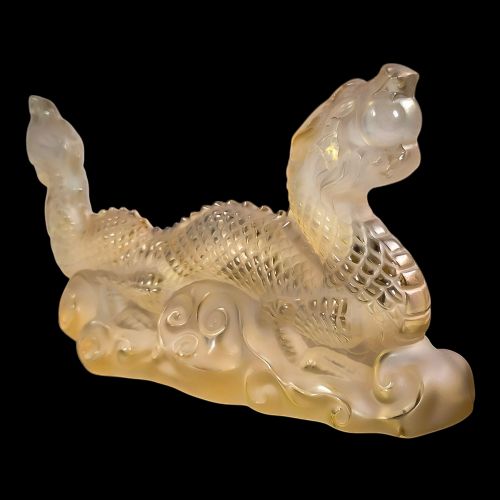
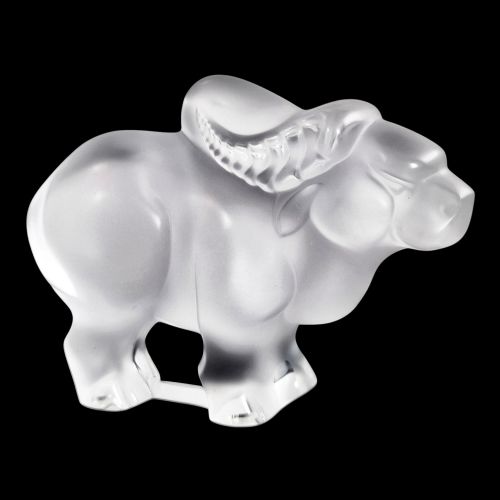
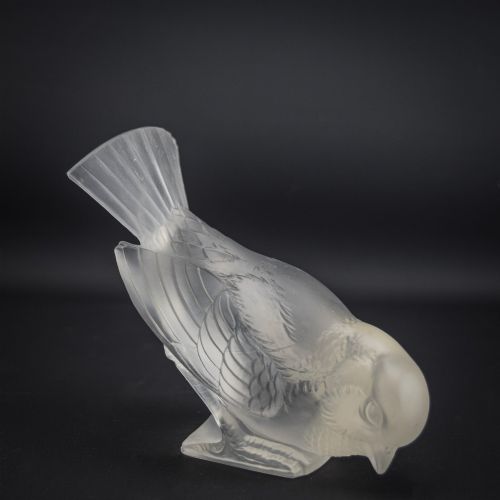
An art glass figurine brings expressive twentieth-century form and luminous material together into a striking decorative object for the mantel or desk.
Art Glass Figurine
When you search for an art glass figurine, you encounter sculptural works that bridge decorative arts and functional lighting across several distinct periods. The selection spans early twentieth-century creations up to eighteenth-century devotional pieces, capturing human, animal and botanical forms in translucent media.
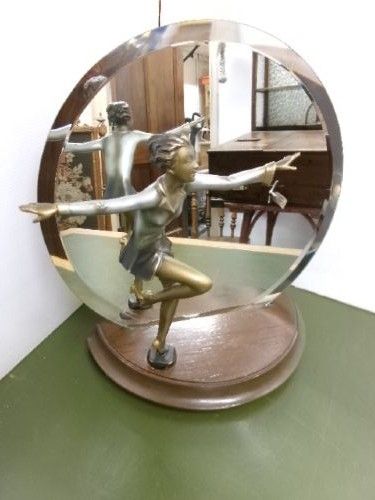
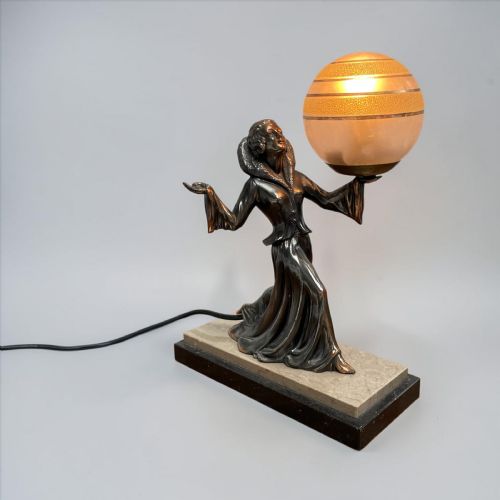
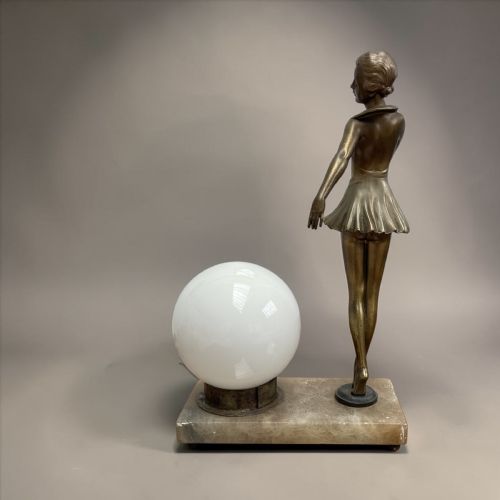
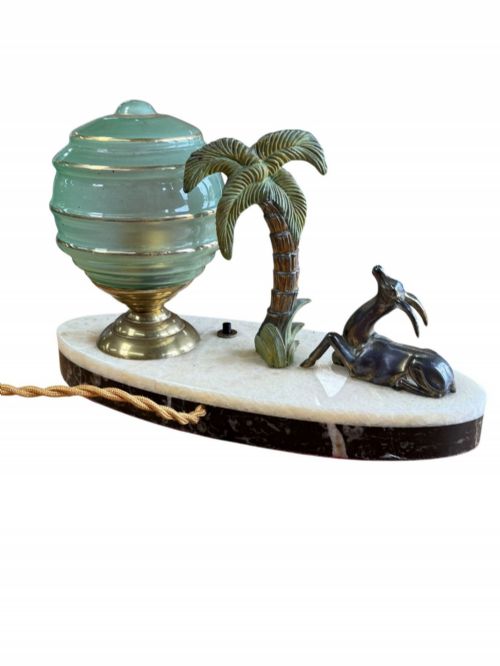
You are most likely to meet twentieth-century examples on this page, particularly Art Deco and Art Nouveau works from the 1920s and 1930s. These frequently incorporate moulded glass components mounted on marble bases or combined with metal elements like spelter and bronze.
The objects range from small paperweights and desk seals to car mascots, night lights and table lamps. Many double as functional items, integrating moulded glass figures into lighting fixtures or desk accessories.
Materials and construction
Makers utilised clear, frosted, and opalescent glass, often combining the medium with heavy stone and metal bases. Marble, spelter, bronze, and brass provide stable foundations for fragile glass figures in table lamps and night lights.
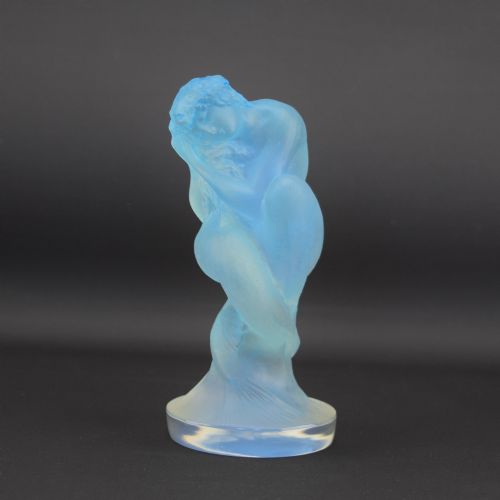
Production techniques involved intricate moulding, lampworking, and surface staining to highlight the sculptural details. Artisans exploited the reflective properties of glass by employing opalescent finishes, blue staining, or topaz coloration to catch the light.
Art Glass Figurine Retail Price Guide 2026
Typical asking prices for art glass figurine among the pieces listed under this phrase on Sellingantiques today, from the lower quarter to the upper quarter. They describe what is for sale here now, not the wider market.
Listings feature glass, frosted glass, opalescent glass, marble, spelter, bronze, and brass across pieces dated from the eighteenth century to 1930.
Judging quality and execution
The integration between the glass figure and its supporting base dictates the structural integrity of the piece. Well-executed works balance heavy materials like marble and bronze securely with delicate glass without awkward proportions.
Rene Lalique·Marius Ernest Sabino·Karl Ens·Anton Buschelberger·Bimini
The Art Glass Figurine Glossary
- Opalescent glass
- Glass that diffuses light to display a milky, iridescent appearance with shifting blue or amber tones. This optical effect enhances the contours of moulded animal and human figures.
- Car mascot
- A sculptural ornament mounted on the radiator cap of an automobile during the early twentieth century. Many popular glass versions were later adapted for display on desk socles.
- Spelter
- An alloy of zinc and lead often used as a substitute for bronze in decorative figures. It typically received a patinated finish to mimic heavier metals on lamp bases.
- Shadow box
- A deep framed container used to display three-dimensional objects protected behind glass. Eighteenth-century examples often house intricate devotional arrangements.
- Lampwork
- A technique where glass rods are melted over a torch and shaped by hand. This method allows for delicate, individual animal and human sculptures.
Art Glass Figurine: Frequently Asked Questions
What is an art glass figurine?
An art glass figurine is a sculptural object fashioned from moulded, pressed, or lampworked glass, often produced during the early twentieth century.
These pieces range from standalone desk ornaments and paperweights to functional lighting components and car mascots.
How do I identify Art Deco pieces?
Art Deco pieces typically feature stylised geometric forms, streamlined animal subjects, and figures of dancers or ladies from the 1920s and 1930s.
They frequently combine frosted or opalescent glass with contrasting materials such as marble bases and spelter mounts.
Were these figures used as lamps?
Many figural glass sculptures were designed specifically to function as table lamps and night lights.
Glass figures of ladies, animals, or Pierrots were mounted onto heavy marble bases equipped with internal lighting to illuminate the translucent material.
How should I display a glass figurine?
Display these pieces on stable surfaces where natural or artificial light can pass through the translucent glass.
Positioning them away from high-traffic edges ensures the delicate moulded or lampworked details remain safe from accidental knocks.