


Art Furniture Table
These art furniture table designs bring together solid timbers and distinctive period craftsmanship for daily use in the home.
Art Furniture Table
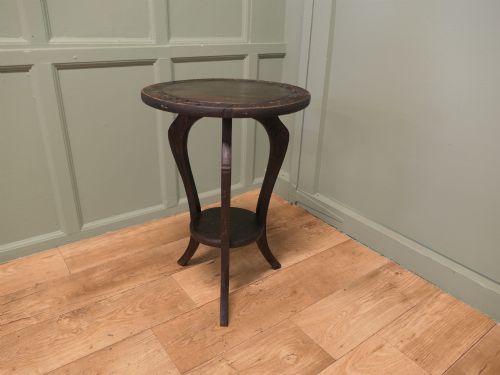
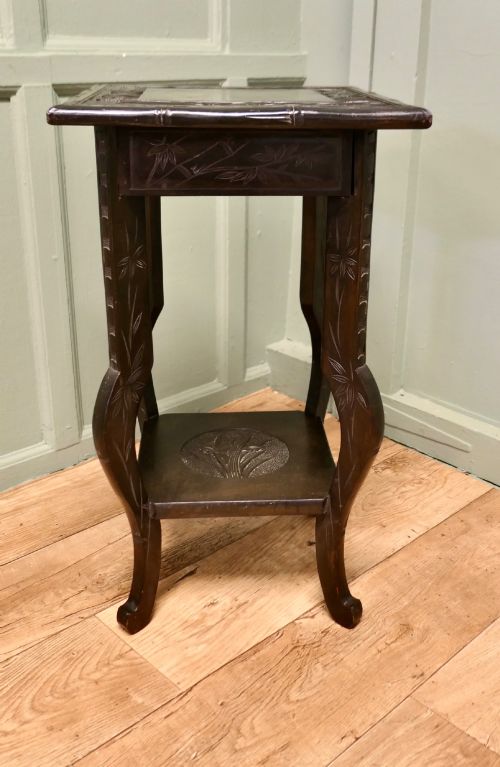
When browsing an art furniture table selection, expect to encounter forms ranging from compact occasional side tables to larger dining and desk formats. The materials span traditional oak and mahogany alongside burr walnut and satin birch, reflecting movements from the late nineteenth century through the interwar decades.
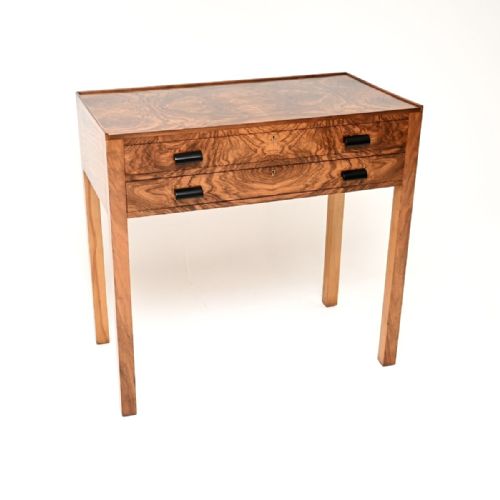
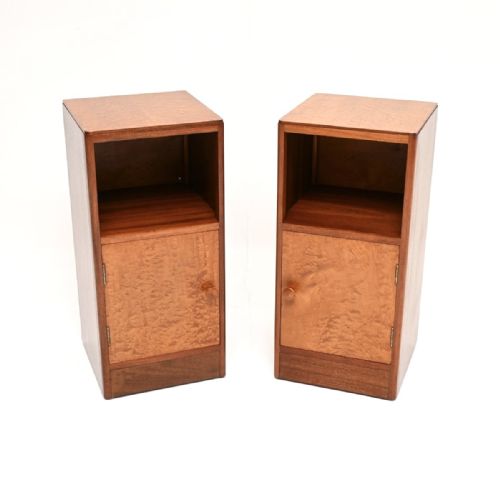
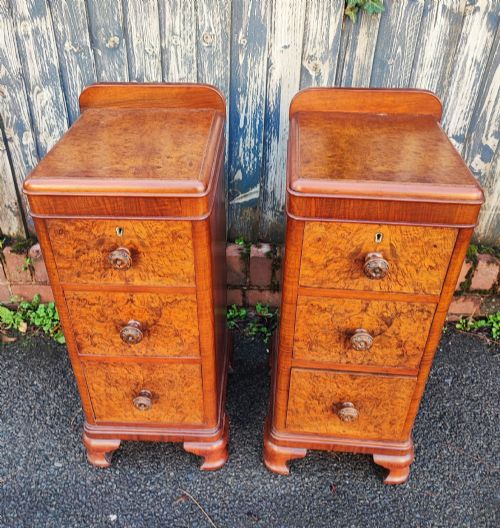
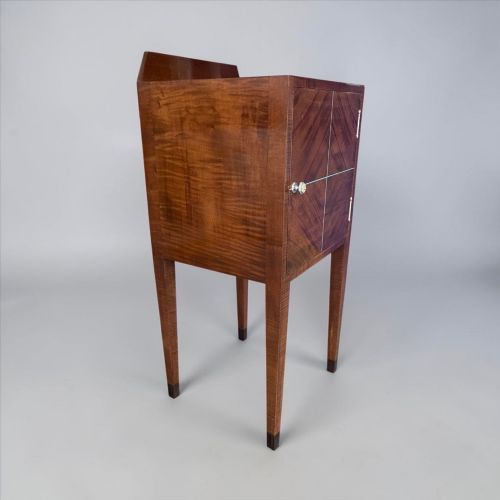
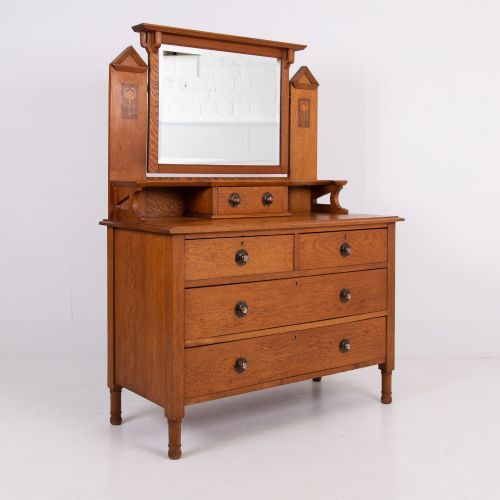
The most common examples on this page date from the Art Deco and Arts and Crafts periods, incorporating utilitarian forms with thoughtful decorative details. Pieces include nesting coffee tables, bedside cabinets, and dressing tables originating from British workshops and European makers.
Materials and construction methods
Cabinetmakers utilised solid timbers such as oak, ash, and walnut, often applying figured veneers to large surfaces like desk tops and dressing tables. Inlays of contrasting woods, copper inserts, and leather top panels appear across various items to add texture and colour.
Joinery techniques prioritize structural integrity, utilising mortise and tenon joints in Arts and Crafts pieces and sleek, geometric configurations in Art Deco iterations. Surface finishes include wax polish and French polish to protect the timber while highlighting natural grain patterns.
Art Furniture Table Retail Price Guide 2026
Typical asking prices for art furniture table among the pieces listed under this phrase on Sellingantiques today, from the lower quarter to the upper quarter. They describe what is for sale here now, not the wider market.
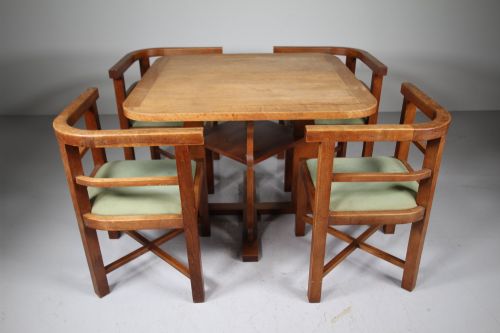
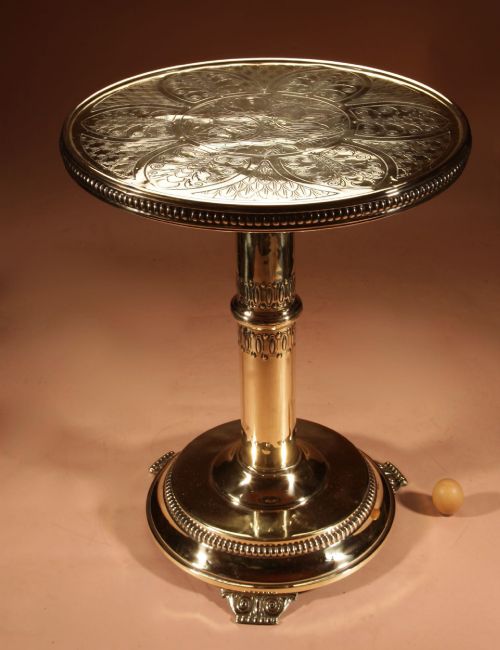
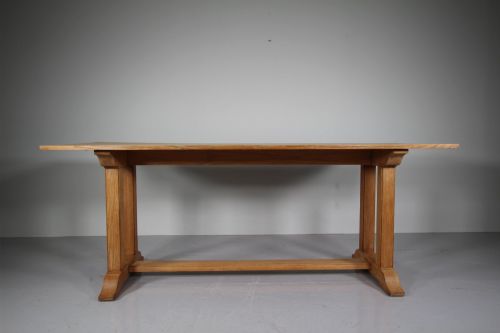
The furniture forms include nesting coffee tables, plant stands, refectory dining tables, and writing desks.
Evaluating craftsmanship and distinction
The distinction between standard examples and superior work lies in the selection of timbers and the precision of the joinery. Figured veneers and matched grain patterns across drawer fronts indicate deliberate planning by the maker.
Original hardware, maker stamps, and integrated decorative elements such as hand-beaten copper or precise inlay work elevate a piece. Structural stability and untouched original surfaces remain central to the integrity of each item.
Liberty and Co·Shapland and Petter·Maurice Adams·Edward Barnsley·Jack Grimble
The Art Furniture Table Glossary
- Burr walnut
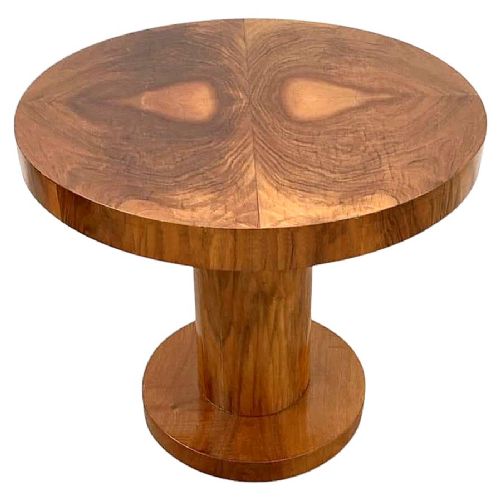
- A timber sourced from the growth growths of a walnut tree, yielding complex, swirling grain patterns. It is frequently utilised as a decorative veneer on Art Deco desk tops and cabinets.
- Occasional table
- A small, movable table designed for specific, intermittent tasks such as holding a lamp or books. These appear frequently in both Arts and Crafts and Edwardian iterations.
- Refectory table
- A long dining table historically used in communal halls and later adapted for domestic dining rooms. They are constructed with solid oak and sturdy stretcher bases.
- Satin Birch
- A pale, fine-grained timber often utilised in Swedish Art Deco furniture. It provides a light finish that contrasts with darker walnut and rosewood details.
Art Furniture Table: Frequently Asked Questions
How do I identify an Art Deco table?
Art Deco tables typically display clean geometric lines, symmetrical forms, and the use of figured walnut or exotic veneers. They emerged strongly during the interwar period, shifting away from heavy Victorian ornamentation towards streamlined modernity.
You will notice a distinct lack of excessive carving, replaced instead by the visual impact of contrasting wood grains and occasionally metal or leather insets.
What defines Arts and Crafts furniture?
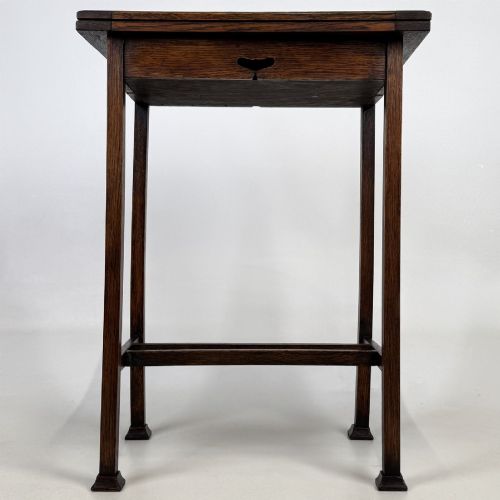
Arts and Crafts pieces emphasise visible construction, traditional joinery, and the natural grain of solid timbers like oak and ash. Makers focused on honest craftsmanship and functional design during the late nineteenth and early twentieth centuries.
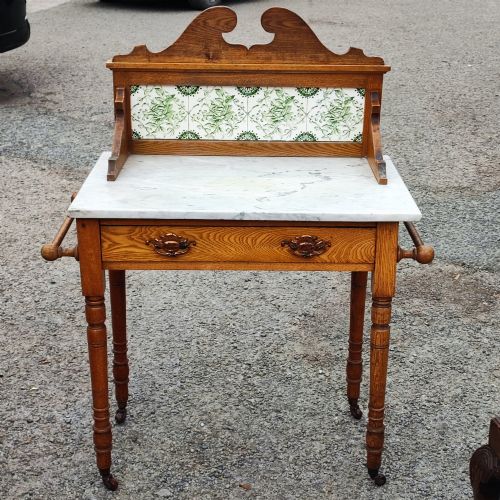
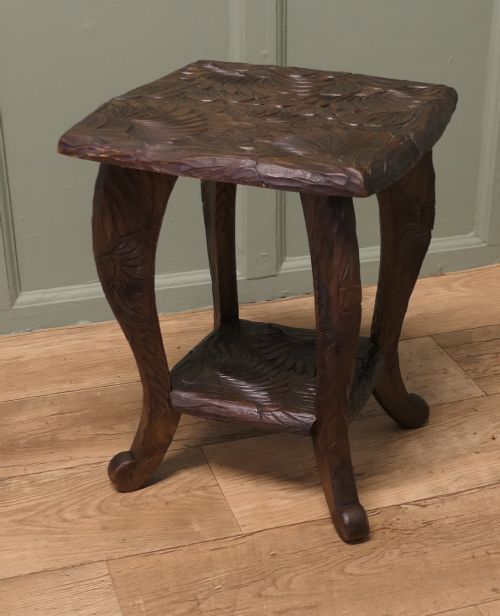
Decoration is often restrained, sometimes featuring hand-beaten copper elements, tiles, or subtle chip carving rather than mass-produced factory ornamentation.
How should I care for a wood table surface?
Maintain polished wooden surfaces by dusting regularly with a soft, dry cloth and avoiding placement near direct heat sources or strong sunlight. Periodic application of quality beeswax helps nourish the timber and preserve the finish.
Take care to use coasters and placemats to protect antique polished and leather-inset surfaces from moisture and heat damage during everyday use.
Are these tables suitable for modern interiors?
These historical tables offer versatile proportions that integrate well into contemporary living spaces, providing practical storage and surface area. Their enduring build quality ensures they function reliably alongside modern seating and decor.
Mixing periods allows a room to gain character, where a solid oak Arts and Crafts desk or an Art Deco lamp table serves as a functional focal point.