






Art Deco Woman Statue
An art deco woman statue captures the definitive kinetic elegance of the interwar period through stylised form and sharp metallics.
Art Deco Woman Statue
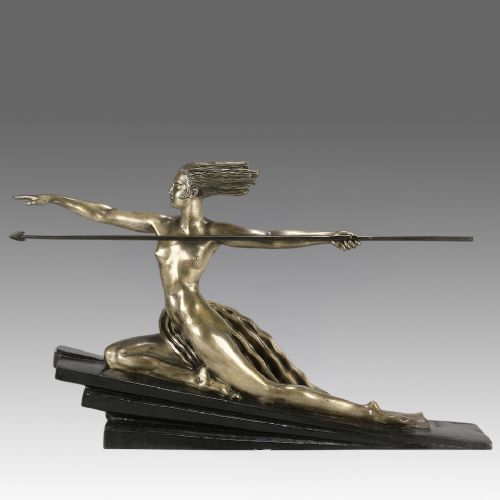
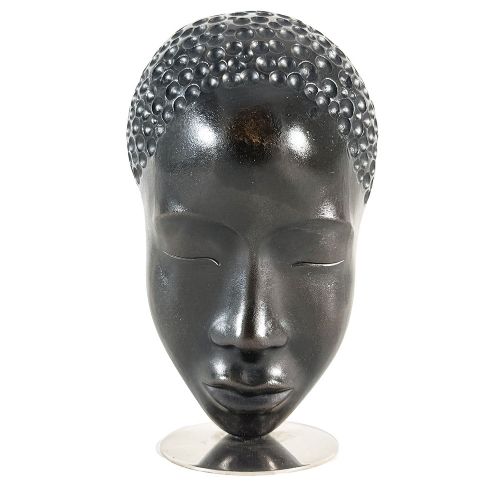
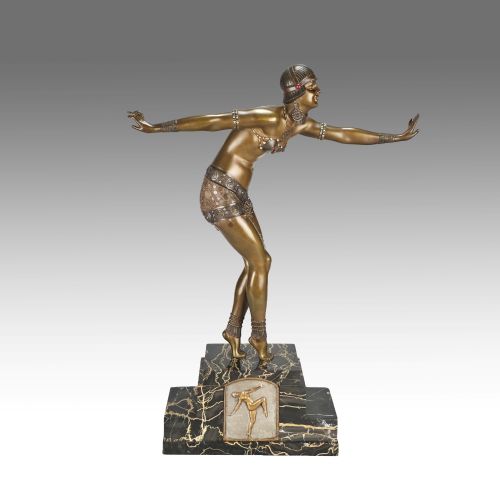
An art deco woman statue is primarily a sculpture, figurine, or bust capturing female figures through the design idioms of the 1920s and 1930s, alongside earlier Edwardian examples. You will frequently encounter dancing poses, mythological subjects such as Diana, and contemplative studies rendered in three dimensions.
The objects span varied scales, from monumental French floor figures to small car mascots designed to mount on motor bonnet caps. Many rest upon integral bases of contrasting stone or metal.
Makers and sculptors of the interwar period utilised both costly metals and accessible alloys, giving rise to distinct sculptural hierarchies that collectors still navigate today.
How they were made
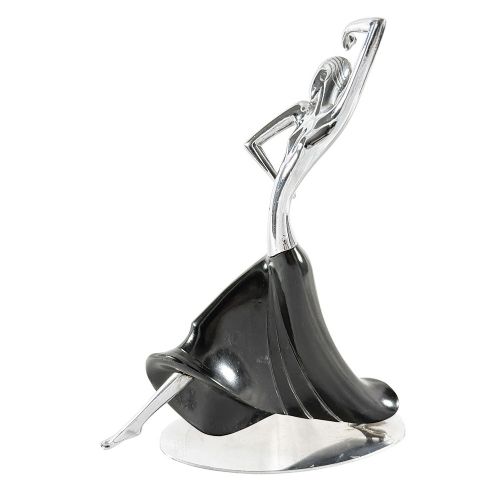
Foundries cast these figures in bronze or spelter, often finishing the latter with paint, chrome plate, or gilt layers to simulate more precious materials. Metal components frequently pair with carved marble or onyx bases that anchor the composition.
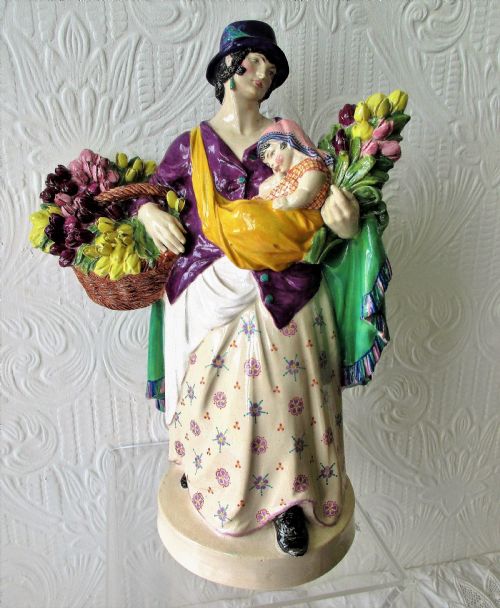
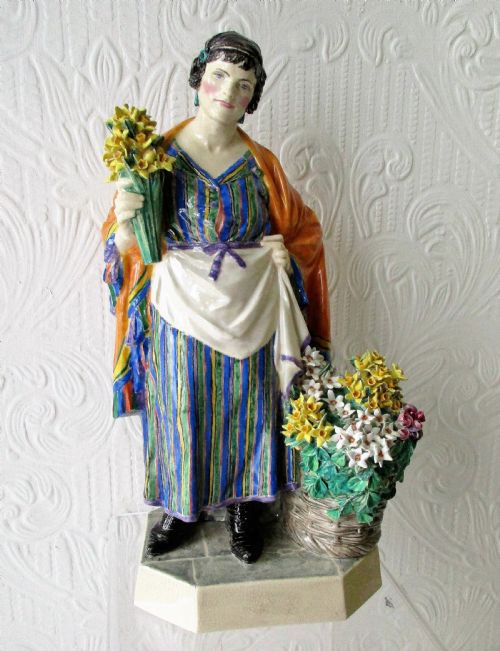
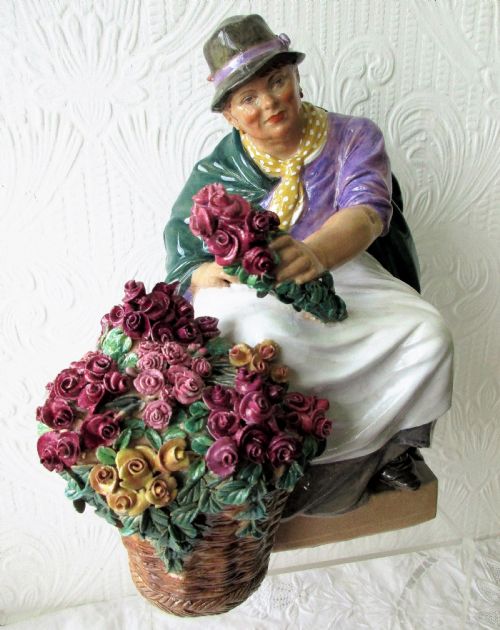
Ceramic works rely on earthenware bodies finished with coloured glaze, modelled by hand in studio pottery settings. Plaster and wood appear less frequently as primary sculptural mediums.
Art Deco Woman Statue Retail Price Guide 2026
Typical asking prices for art deco woman statue among the pieces listed under this phrase on Sellingantiques today, from the lower quarter to the upper quarter. They describe what is for sale here now, not the wider market.
Several ladies are caught mid-stretch holding mirrors or arrows, proving that interwar housework involved considerably more glamour than modern dusting.
What varies in quality
The choice of base material signals the original ambition of the piece, with solid carved marble and banded onyx carrying greater weight than simpler wooden plinths. Signed works by recognised modellers demonstrate superior anatomical control and compositional balance compared to anonymous foundry output.
Hagenauer·Demetre Chiparus·Charles Vyse·Sibylle May·H. Bal·Paul Joris·R Henn·Geo Maxim
The Art Deco Woman Statue Glossary
- Spelter
- A zinc-based alloy commonly used as an economical alternative to bronze during the interwar period. It accepts metallic paints and plating readily.
- Car mascot
- A small sculptural ornament fitted to the radiator cap of a motor car. These aerodynamic figures were popular during the 1920s.
- Patina
- The surface coloration and sheen developed naturally over time or applied chemically to metal sculptures. It defines the tonal depth of bronzes.
- Studio pottery
- Ceramic art created by individual artists working independently from large industrial factories. Charles Vyse pieces represent this tradition.
- Onyx
- A banded variety of chalcedony frequently utilised for heavy decorative statue bases. Its natural veining complements polished metal figures.
Art Deco Woman Statue: Frequently Asked Questions
How do I spot a spelter copy?
Spelter is a softer, lighter zinc alloy that often reveals a greyish white metal underneath any surface wear or chips in the paint. Bronze carries a heavier, denser feel and a warmer underlying metal tone.
Examining the underside or base fixing points usually reveals the true nature of the cast metal without damaging the patination.
Were these figures meant for gardens?
Almost all of these sculptures and figurines were designed strictly for interior display on mantelpieces, desks, or specialised display cabinets. Materials like painted spelter, plaster, and studio pottery glaze would degrade rapidly if exposed to outdoor weather.
Car mascots represent the sole exception, engineered to withstand the elements while mounted on moving motor vehicles.
How do I clean an onyx base?
Onyx is a sensitive stone that requires gentle dusting with a dry microfibre cloth rather than liquid cleaners or harsh chemical solvents. Moisture can seep into natural fissures or damage the adhesive securing the metal figure above.
Keeping the stone dry preserves the polish and prevents staining around the metal mounts.
What is a car mascot?
A car mascot is a small, weighted sculpture bolted to the radiator cap of luxury motor cars during the 1920s and 1930s. Drivers used them to personalize their vehicles with dynamic figures of dancers or mythical subjects.
These pieces feature robust mounting screws on their bases to withstand vibration at speed.