

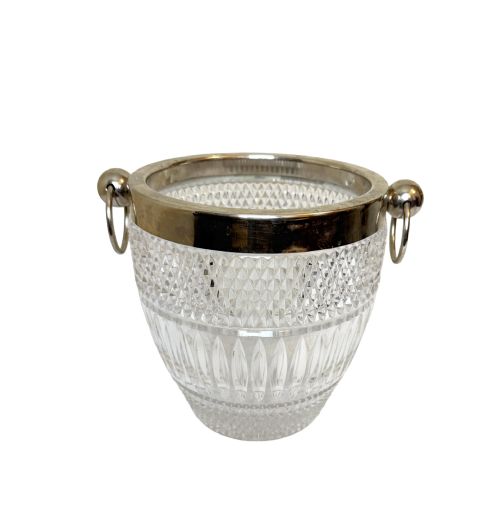


Art Deco Wine Bucket
An art deco wine bucket brings striking geometric lines and polished metal to the table, holding bottles at the proper temperature with undeniable style.
Art Deco Wine Bucket
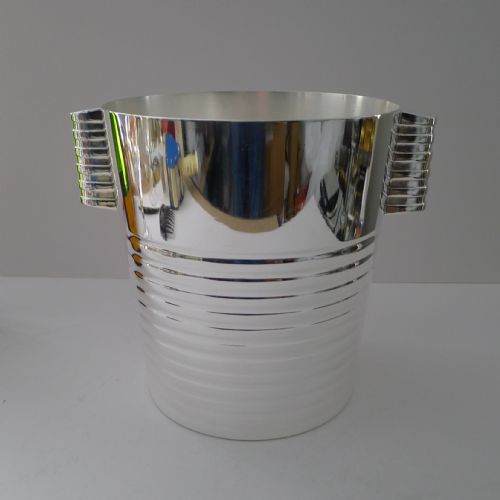
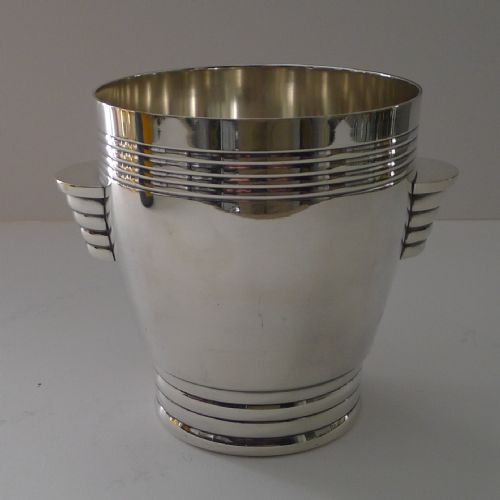
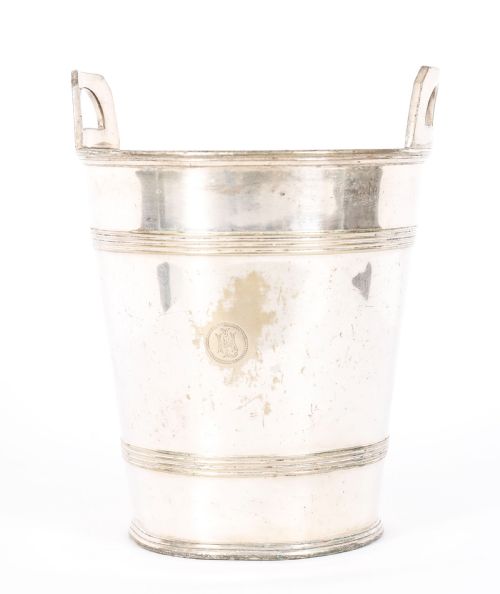
An art deco wine bucket takes several distinct forms, primarily appearing as champagne coolers, table ice buckets, and occasionally repurposed oak and copper planters. These pieces originate from workshops and makers across England, France, Belgium, and Italy during the early to mid-twentieth century.
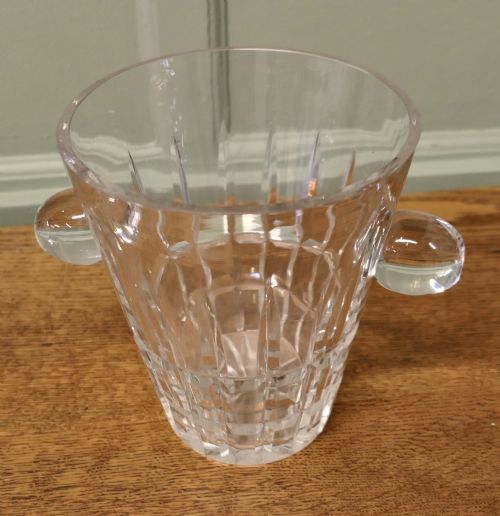
Buyers will most frequently encounter silver-plated vessels alongside combinations of cut crystal and glass liners. Floor-standing pairs and large table coolers represent the bolder domestic items created during this period.
The objects span production dates from the nineteen-tens through to nineteen-forty, reflecting the evolving geometric vocabulary of the era. Makers ranging from Paris houses to Sheffield firms produced these items for dining rooms and bars.
Materials and Techniques
Makers utilised silver plate over base metals, alongside solid chrome, copper, and sterling silver, shaping them into flared, octagonal, and cylindrical bodies. Heavy metal spinning and plating techniques created durable exterior walls capable of retaining chilled water and ice.
Glass components rely on hand-blown and hand-cut crystal liners that fit snugly within metal frames. Oak timber appears combined with copper in specific jardiniere-style coolers, introducing contrasting natural textures to polished surfaces.
Art Deco Wine Bucket Retail Price Guide 2026
Typical asking prices for art deco wine bucket among the pieces listed under this phrase on Sellingantiques today, from the lower quarter to the upper quarter. They describe what is for sale here now, not the wider market.
The archive reveals production dates spanning from nineteen-hundred through to nineteen-forty, concentrating heavily in the nineteen-twenties and thirties.
Craftsmanship and Distinction
The standard of a piece rests upon the weight of the metal, the depth and clarity of the hand-cut crystal, and the crispness of any applied handles or pedestals. Substantial wall thickness and balanced proportions separate utilitarian vessels from works bearing distinct maker signatures.
Execution of decorative detail distinguishes the output of prominent French and English houses from anonymous production. Marked pieces from recognised designers demonstrate superior finishing on hinges, rims, and base mounts.
Christofle·Mappin & Webb·Elkington·Ercuis·Asprey·WMF
The Art Deco Wine Bucket Glossary
- Silver Plate
- A thin layer of silver bonded to a base metal core such as copper or brass. This technique allowed manufacturers to produce substantial dining items at a lower cost than solid silver.
- Gallia
- A specific metal alloy and trademark utilised by Christofle for high-quality silver-plated tableware. It denotes a standard of production associated with Parisian manufacturing.
- Jardiniere
- An ornamental pot or stand designed to hold plants, which during the period was occasionally adapted for use as a wine cooler. These items incorporate waterproof linings or metal inserts.
- Cut Crystal
- Glass that has been decoratively shaped and faceted using abrasive wheels to create refractive patterns. It provides weight and brilliance when paired with metal frames.
Art Deco Wine Bucket: Frequently Asked Questions
How do I clean my art deco wine bucket?
Wash silver-plated and metal surfaces gently using warm water and a mild detergent, drying thoroughly with a soft cloth to prevent spotting. Avoid harsh abrasive cleaners that can wear away thin silver plating over time.
For crystal liners, wash separately in warm soapy water and rinse completely. Ensure all components are fully dry before storing the cooler away.
Were these buckets used only for wine?
These vessels served multiple purposes at dining tables and bars, functioning interchangeably as wine coolers, champagne buckets, and ice buckets. Some variations accommodated large bottles, while smaller versions held ice cubes for spirits.
Certain jardiniere forms were also adapted from plant holders into cooling vessels. This versatility means many items suit modern entertaining beyond their original intended use.
What metal is underneath the silver plate?
Makers typically employed base metals such as brass, copper, or nickel-silver beneath the silver-plated exterior. These materials provided the necessary structural rigidity and weight for holding heavy bottles.
Over decades of use, the underlying metal may occasionally show through areas of high wear. This reveals the composition of the core material beneath the original plating.