





Art Deco Walnut End Table
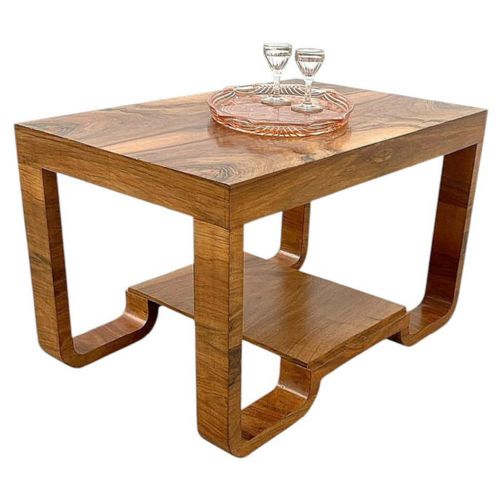
An art deco walnut end table brings striking geometric lines and rich grain patterns directly into a sitting room.
Art Deco Walnut End Table
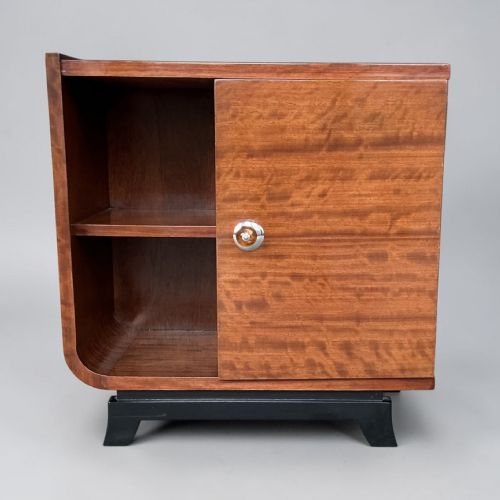
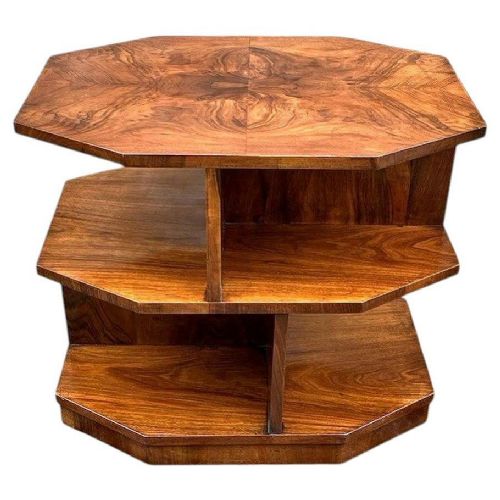
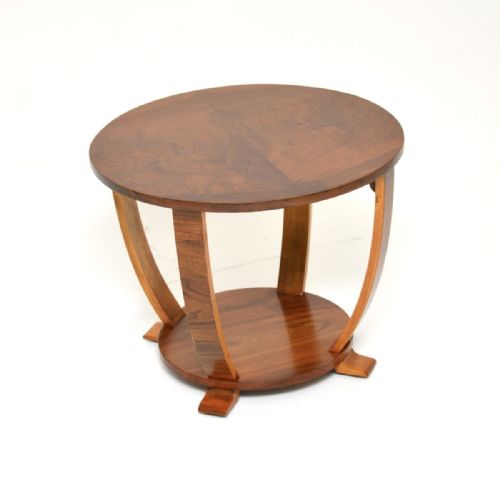
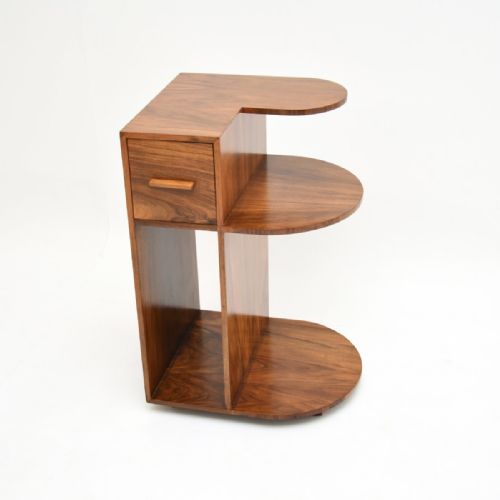
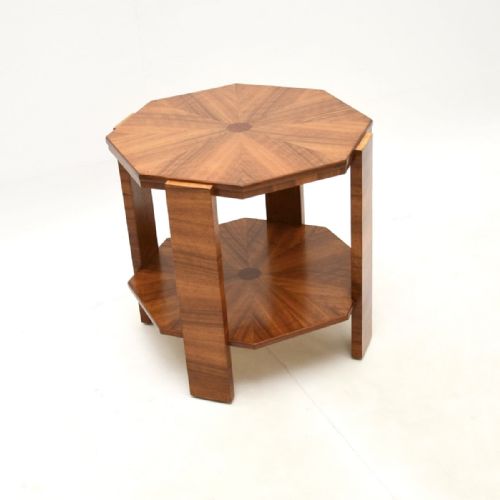
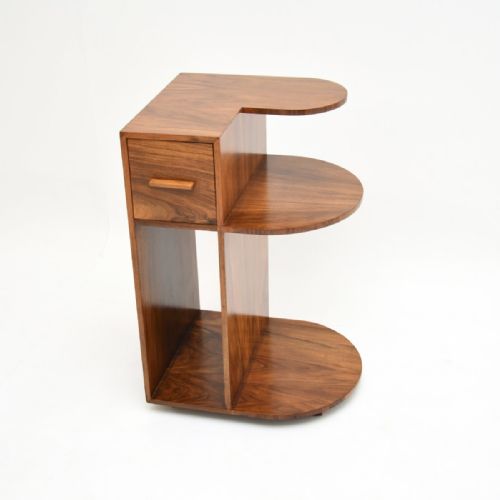
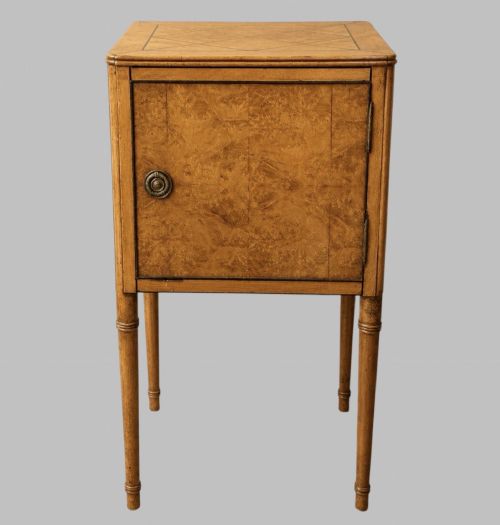
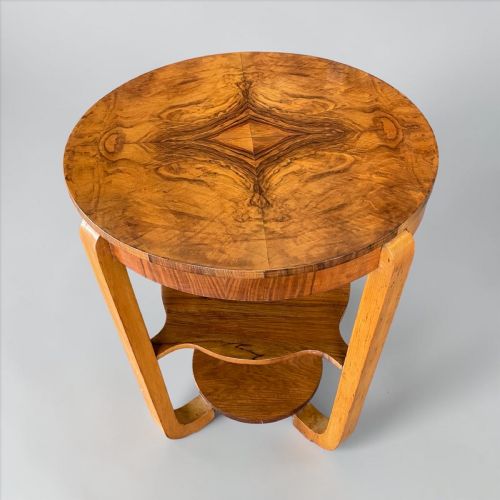
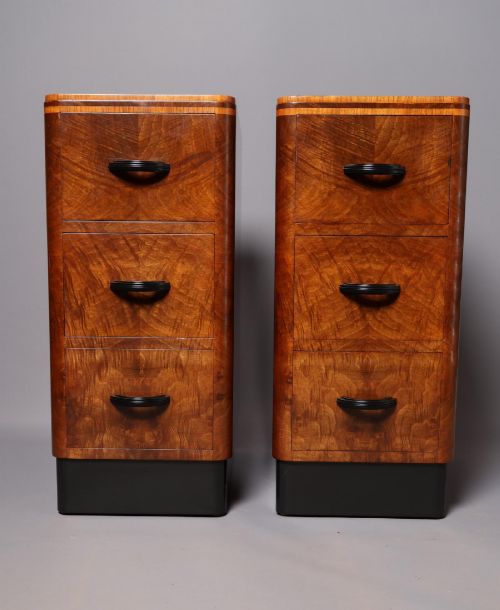
When you search for an art deco walnut end table, you encounter compact occasional furniture designed primarily during the nineteen-thirties. These pieces appear most frequently as side tables, bedside cabinets, and multi-tiered stands originating from English and French workshops.
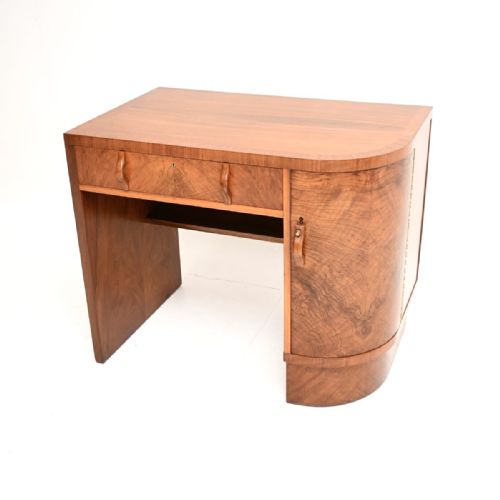
The selection ranges from simple occasional tables to sophisticated two-tier and three-tier designs incorporating maple, ebonised wood, and mirror tops. Alongside standard side tables, the inventory occasionally includes related forms such as desks, consoles, and nests of tables.
How they were made
Cabinet makers utilised solid walnut and decorative walnut veneers, often selecting figured or burr varieties to create dramatic grain patterns across table tops and cabinet doors. These wooden structures were frequently paired with contrasting materials such as ebony, maple, or ebonised wood.
Metal accents played a significant functional and decorative role, with chrome, brass, and standard metal incorporated into frames, trim, and casters. Construction techniques combined traditional cabinet-making skills with modern modernist design principles of the period.
Art Deco Walnut End Table Retail Price Guide 2026
Typical asking prices for art deco walnut end table among the pieces listed under this phrase on Sellingantiques today, from the lower quarter to the upper quarter. They describe what is for sale here now, not the wider market.
Listings feature items dated across three decades, spanning from nineteen-twenty through to nineteen-forty.
What varies in quality
Quality rests upon the selection and matching of the veneer, with highly figured burr walnut commanding greater visual presence than plain timber surfaces. The sophistication of the timber combination, such as integrating maple or ebony stringing, elevates the piece.
Construction complexity separates standard production items from high-end examples, particularly where multiple tiers, casters, or integrated chrome and brass hardware are executed with precision. Pieces bearing attribution to known makers demonstrate superior cabinet-making standards.
Walter Carter Harrods·Gilbert Rohde·Maurice Adams·Hille
The Art Deco Walnut End Table Glossary
- Burr walnut
- A highly prized wood veneer showing dark swirling knots and growth patterns formed in the tree. It creates distinctive decorative surfaces on table tops.
- Veneer
- A thin layer of superior wood applied over a stable timber base. This technique allowed makers to display rich grain patterns without using solid costly timber.
- Ebonised wood
- Timber treated with a dark finish to resemble ebony. It provides sharp contrast against lighter walnut surfaces.
- Occasional table
- A small, movable table designed for specific, intermittent use rather than permanent placement. They appear frequently in multi-tier formats.
Art Deco Walnut End Table: Frequently Asked Questions
What periods do these tables come from?
The pieces shown originate predominantly from the nineteen-thirties, with occasional examples dating from the nineteen-twenties and nineteen-forties. These dates reflect the core decades of the art deco movement.
Design influences remain firmly rooted in twentieth-century modernist aesthetics alongside occasional revivals.
How were these tables used originally?
These pieces functioned as practical surface space beside seating areas or beds for lamps, drinks, and books. Multi-tiered versions provided additional levels for storage and display.
Cabinets and bedside tables offered enclosed space within domestic rooms.
How do I care for walnut veneer?
Keep wooden surfaces away from direct sunlight and excessive heat to prevent the veneer from drying or fading. Dust gently with a dry cloth and avoid harsh chemical polishes.
Use coasters to protect the polished finish from moisture and heat rings.
What is the difference between a side table and an occasional table?
While both terms describe small movable tables, side tables typically station themselves permanently beside seating. Occasional tables suggest greater flexibility of placement around a room.
Many listings use these terms interchangeably for similar compact forms.