



Art Deco Trinket Tray
An art deco trinket tray holds small daily treasures on a dressing table, combining the sleek geometry and glasswork of the interwar years.
Art Deco Trinket Tray
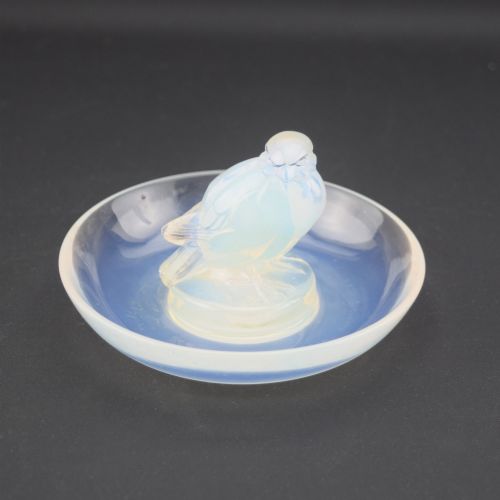
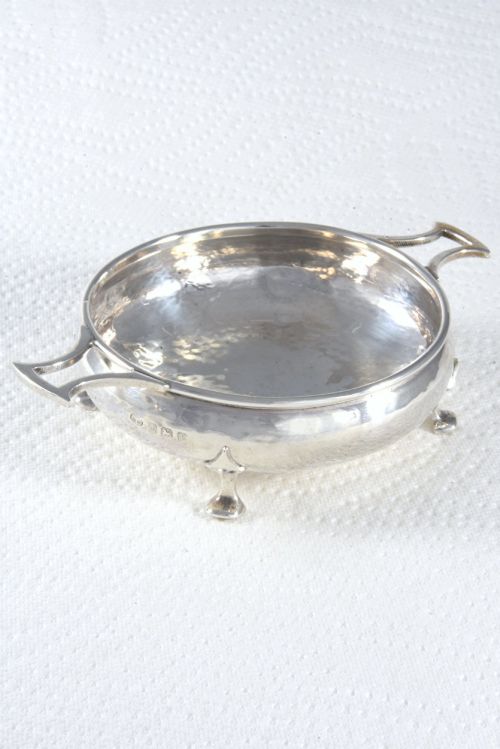
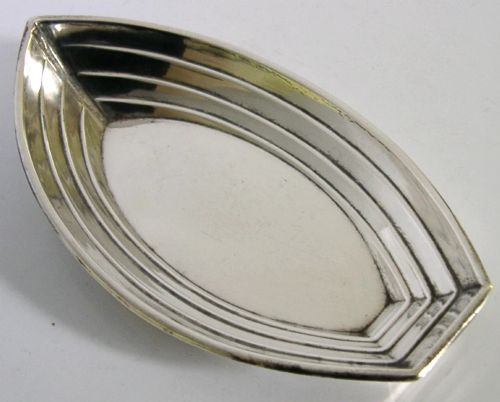
An art deco trinket tray takes many small forms across these listings, appearing as pin dishes, decorative dishes, ashtrays, and jewellery boxes with trays. These items serve to organise daily accessories on dressing tables and desks while displaying the characteristic lines of the period.
The materials span sterling silver, silver plate, metal, ebonised wood, and various forms of glass including opalescent, frosted, and clear types. Pieces range from George V silver items dated to the nineteen-twenties down to continental glass works from the nineteen-thirties.
Makers and origins vary from British silversmiths working in Birmingham and London to French glassmakers producing moulded pieces. Buyers meet both functional ash trays adapted for display and dedicated trinket dishes designed specifically for holding small valuables.
How they were made
Silver items involve traditional smithing techniques such as stamping, pressing, and plating, often bearing hallmarks from Birmingham or London silversmiths. These metal pieces utilise sterling silver or silver plate over a base metal, sometimes paired with ebonised wood for contrast.
Glass objects rely on mould-blowing and pressing methods to achieve opalescent, frosted, or clear finishes with low-relief sculptural details. French glassworks utilise these techniques to create tactile surfaces on dishes like the moineau and naiade designs.
Art Deco Trinket Tray Retail Price Guide 2026
Typical asking prices for art deco trinket tray among the pieces listed under this phrase on Sellingantiques today, from the lower quarter to the upper quarter. They describe what is for sale here now, not the wider market.
Listings feature materials spanning sterling silver, opalescent glass, ebonised wood, and cold-painted bronze from the nineteen-tens through the nineteen-thirties.
What varies in quality
Quality rests on the crispness of the casting in both metal and glass, determining how sharply the geometric or figurative details emerge. Finer glass pieces display a distinct opalescence that catches light effectively, while superior metal items maintain robust construction and clear hallmarks.
The weight of the material and the sophistication of the design separate standard production items from those bearing known studio or maker attributions. Finish quality in cold-painted bronze or ebonised wood elements also dictates the overall standard of the piece.
Rene Lalique·John Grinsell And Sons·John Collyer Birmingham·Sabino
The Art Deco Trinket Tray Glossary
- Opalescent glass
- Glass that displays a milky, iridescent quality shifting in colour from blue to amber when lit. This optical effect results from specific chemical additions during the melting process.
- Pin dish
- A small shallow container designed for holding pins, coins, or rings on a dressing table. These utilitarian items often feature decorative rims or figurative centres typical of the period.
- Sterling silver
- An alloy containing ninety-two point five percent silver and seven point five percent other metals, usually copper. British pieces of this standard carry specific lion passant hallmarks.
- Ebonised wood
- Timber treated to imitate ebony, producing a dense black finish used for contrast in boxes and trays. This technique provides a dark backdrop for metallic or glass fittings.
- Cold painted bronze
- Metal sculpture decorated with oil-based paint that is applied without heat after casting. This technique appears on small desk tidies and decorative figures.
Art Deco Trinket Tray: Frequently Asked Questions
What is an art deco trinket tray used for?
These small dishes serve to hold rings, pins, and daily pocket items on a dressing table or desk. Their compact footprint makes them practical for organising small accessories while adding a decorative period accent.
Historically, many designs double as ashtrays or card trays, reflecting the social habits of the nineteen-twenties and nineteen-thirties. Today, they function primarily as display pieces for vanity surfaces.
How do I identify glass periods?
Moulded glass pieces from the interwar period often feature signature marks or characteristic tactile textures associated with French and European studios. The use of opalescent effects and frosted finishes points directly to nineteen-twenties and nineteen-thirties production methods.
Examining the base for mould seams, polish marks, and maker signatures helps distinguish original interwar glassware from later reproductions. The weight and depth of the glass tint also offer clues to the era of manufacture.
Are these silver trays marked?
British silver items carry hallmarks indicating the assay office, date letter, and maker's mark stamped into the metal. These small stamps provide precise dating down to the specific year of creation.
Items described as silver plated or metal lack these official sterling hallmarks, sometimes featuring maker stamps or registry numbers instead. Checking the underside reveals these crucial manufacturing marks.
How do I care for opalescent glass?
Opalescent glass requires gentle cleaning with warm water and mild soap to preserve the delicate surface finish. Avoid abrasive cloths or harsh chemical cleaners that can damage the subtle surface iridescence.
Displaying these glass dishes away from direct, harsh heat sources prevents thermal shock. Handling them with clean hands protects the frosted and clear textures from natural skin oils.