






Art Deco Tabletop
Art deco tabletop pieces bring geometric elegance and striking metallic sheen directly into your interior scheme.
Art Deco Tabletop
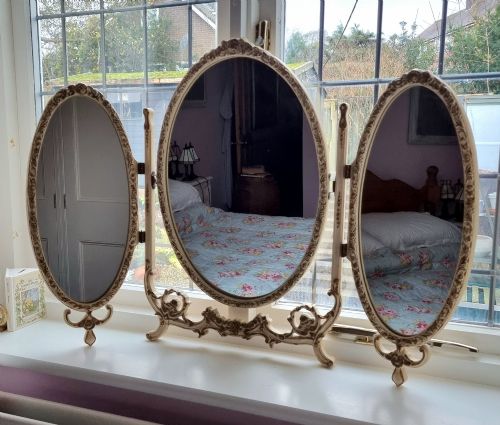
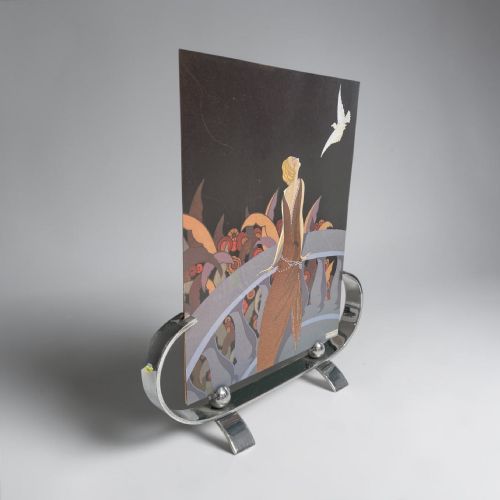
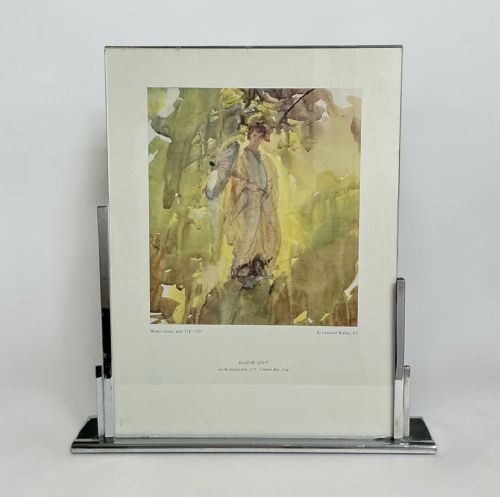
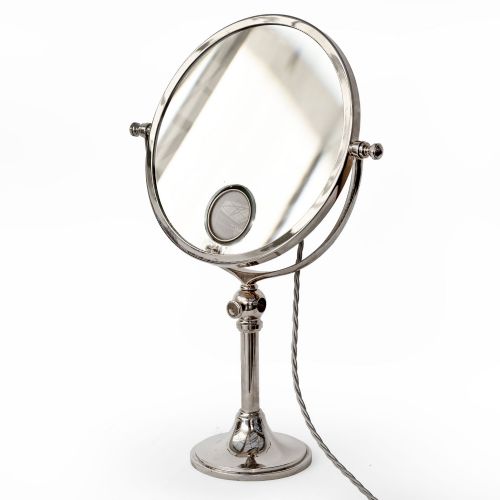
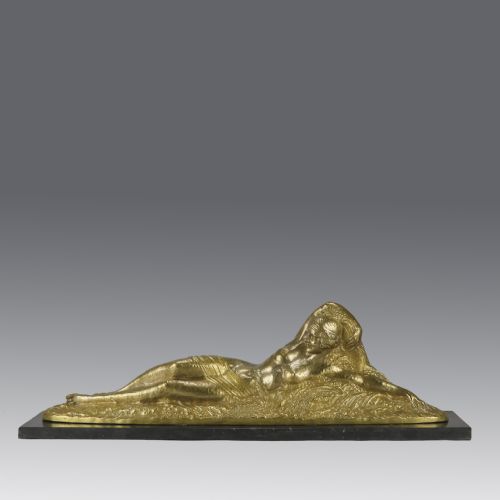
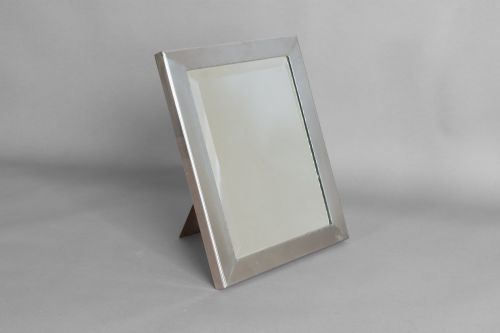
When buyers search for art deco tabletop, they encounter a diverse selection of decorative and functional objects designed for desks, sideboards, and dressing tables. The inventory spans from the 1910s through the 1940s, capturing the shift from Edwardian traditions into streamlined modernism. Objects range from small sculptures and figurines to picture frames and vanity mirrors.
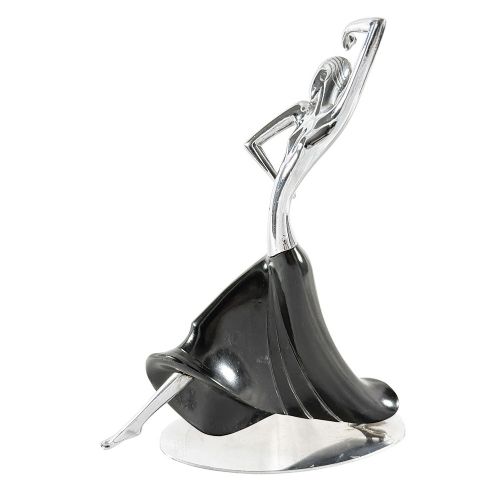
The most common items on this page are picture frames, dressing table mirrors, and small bronze or chrome figures. Many of these pieces integrate mixed materials such as marble bases paired with cast bronze or silver-plated frames. English, French, and Austrian workshops dominate the origins of these functional domestic objects.
Functional pieces like cigarette boxes, book troughs, and display cabinets also appear frequently within this category. These items demonstrate how period craftsmanship served both decorative and utilitarian purposes in middle and upper-class homes. Collectors find that these smaller domestic objects encapsulate the visual vocabulary of the era efficiently.
Materials and manufacturing techniques
Metalworking forms the core of these items, utilising cast bronze, sterling silver, silver plate, chrome, and brass. Founders employed traditional lost-wax casting for figural sculptures, often mounting dancers and animals onto shaped marble plinths. Silversmiths applied engine-turned engraving to picture frames and vanity accessories to create repetitive geometric textures.
Glass and ceramics supplement the metalwork, appearing as crystal boxes, mirrors, and glazed earthenware figures. Wood is also prevalent, utilised in mahogany and walnut for book troughs, clocks, and display cabinets. Plating techniques like chrome-plating gained prominence during the interwar years to deliver a bright, modern finish.
Art Deco Tabletop Retail Price Guide 2026
Typical asking prices for art deco tabletop among the pieces listed under this phrase on Sellingantiques today, from the lower quarter to the upper quarter. They describe what is for sale here now, not the wider market.
An Egyptian revival candelabra sits comfortably alongside a dancing woman high-kicking in chrome.
Distinctions in craftsmanship and design
The degree of artistic fidelity in figural bronzes separates standard production runs from master works. Superior sculptures exhibit sharp chisel work on cast surfaces and balanced patination, whereas lesser examples show softer details and uniform commercial finishes.
The integrity of materials and maker attribution dictate the upper tier of frames and mirrors. Pieces bearing clear hallmarks from established silversmiths or signatures from known sculptors command greater attention than unmarked domestic wares.
Demetre Chiparus·Georges-Charles Coudray·Deakin & Francis·Alexandre Kelety·Bruno Zach·Mario Korbel·Whytock & Reid
The Art Deco Tabletop Glossary
- Engine-turned
- A mechanical decoration technique that etches intricate geometric patterns into metal surfaces. This method was widely used on silver photograph frames during the early twentieth century.
- Lost-wax casting
- A metal-casting process where a molten metal is poured into a mould created by a wax model. It allows sculptors to capture fine anatomical details in bronze figures.
- Ormolu
- Gilded bronze ornamentation applied to decorative objects and clock cases. The technique involves coating base metal with a mercury-gold amalgam.
- Bakelite
- An early synthetic plastic valued for its durability and rich colour range. It appears frequently in clock cases and desk accessories from the interwar period.
Art Deco Tabletop: Frequently Asked Questions
What items count as art deco tabletop?
These items include small sculptures, picture frames, vanity mirrors, and desktop storage pieces designed for domestic display.
They reflect the design trends of the interwar decades in functional formats.
How do I identify silver hallmarks?
British silver pieces typically carry city marks, date letters, and maker stamps pressed into the metal.
These tiny symbols help pinpoint the exact year and location of manufacture.
How should I clean silver frames?
Silver frames require gentle wiping with a specialised polishing cloth to preserve engine-turned details.
Avoid harsh chemical dips that strip away the natural patina accumulated over decades.